
 Optimal Result:
47 - 346 ug/g creat.
Optimal Result:
47 - 346 ug/g creat.

Strontium is found in fish, grains, leafy vegetables, dairy, soil, water, air, and isalso used in the manufacturingof televisions, fireworks, paints, glass, ceramics, fluorescent lights, medicines, magnets.
Vitamin D, calcium, and protein reduces the absorption of Strontium. It is eliminated mainly through urine.
Strontium is considered a trace mineral that is similar to calcium, accumulates in bone and is involved in bone metabolism. Stronitum promotes calcium uptake into the bone and has been used as a prescription drug in the treatment of osteoporosis.
Lab Results Explained and Tracked
What does it mean if your Strontium result is too high?
Elevated levels of strontium on a Metabolomix panel from Genova Diagnostics could indicate various health and dietary factors. Strontium, a naturally occurring mineral, is commonly found in small amounts in the human body, where it can influence bone health. However, its levels can be influenced by dietary intake, environmental exposure, and certain health conditions. Here are key considerations regarding elevated strontium levels:
→ Dietary Sources: Strontium is present in foods like grains, leafy vegetables, seafood, and dairy products. A diet high in these foods could lead to increased strontium levels.
→ Environmental Exposure: High strontium levels can also result from environmental exposure, particularly in areas where strontium is abundant in the soil or water.
→ Bone Metabolism: Strontium can impact bone metabolism. It's similar to calcium and can replace calcium in bone, potentially affecting bone strength and health. However, the clinical significance of this in terms of bone disease or health is not well-established.
→ Supplement Use: Some people take strontium supplements for bone health, which can significantly increase strontium levels in the body.
→ Health Implications: While moderate strontium intake might be beneficial for bone health, excessive levels could be harmful. The relationship between high strontium levels and health outcomes, including bone health and cardiovascular risk, is an area of ongoing research.
Treating elevated strontium levels typically involves identifying and addressing the source of the excess strontium. Here are some steps that might be taken:
→ Review Dietary Intake: Since certain foods are high in strontium, a healthcare provider may recommend modifying the patient's diet to reduce the intake of these foods. This could include adjusting the consumption of seafood, grains, leafy vegetables, and dairy products, which are common dietary sources of strontium.
→ Evaluate Environmental Factors: If environmental exposure is a concern, particularly in areas with high strontium in the soil or water, measures might be taken to reduce this exposure. This could include using water filtration systems or making changes in the living or working environment.
→ Assess Supplement Use: If the patient is taking strontium supplements, particularly those aimed at improving bone health, a healthcare professional might advise discontinuing or adjusting the dosage of these supplements.
→ Monitor Bone Health: Since strontium can affect bone metabolism, monitoring bone health through tests like bone density scans might be recommended, especially if there is concern about the impact of strontium on bones.
→ Regular Health Checkups: Ongoing monitoring of strontium levels and overall health through regular checkups can help in assessing the effectiveness of the measures taken and in making any necessary adjustments to the treatment plan.
→ Consultation with Specialists: In some cases, referral to a specialist, such as an endocrinologist or a toxicologist, may be appropriate for more specialized care.
It's important to approach treatment under the guidance of a healthcare professional, who can tailor the strategy based on the individual's health status, the severity of strontium elevation, and the likely source of the excess strontium.
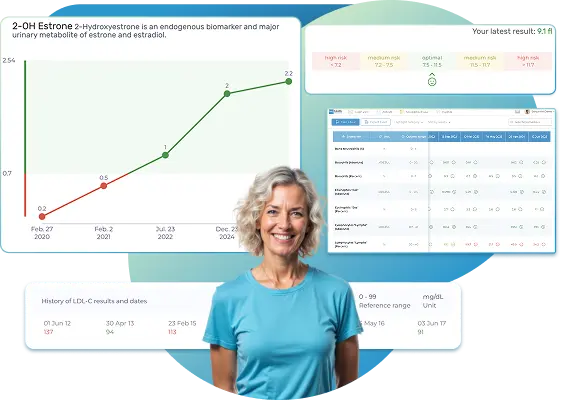
All Your Lab Results.
One Simple Dashboard.
Import, Track, and Share Your Lab Results Easily
Import, Track, and Share Your Lab Results
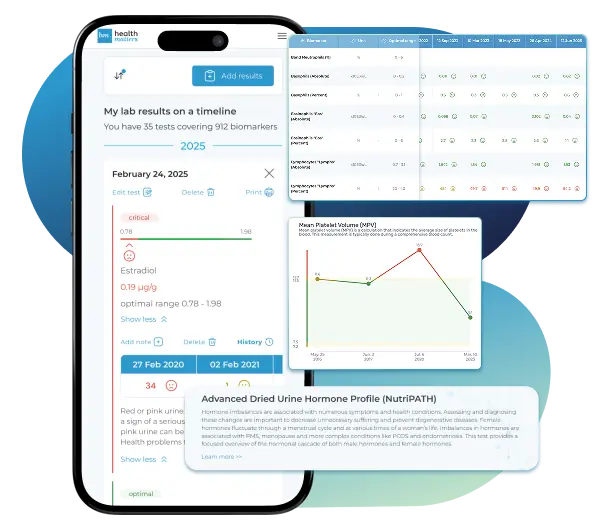
Import lab results from multiple providers, track changes over time, customize your reference ranges, and get clear explanations for each result. Everything is stored securely, exportable in one organized file, and shareable with your doctor—or anyone you choose.
Cancel or upgrade anytime
What does it mean if your Strontium result is too low?
Urinary Strontium levels were associated with breast cancer risk.
Article Review & Sources
All our content is backed by peer-reviewed studies, academic research, and trusted medical sources. We're committed to accuracy and transparency — see our editorial policy for details.
Laboratories
Bring All Your Lab Results Together — In One Place
We accept reports from any lab, so you can easily collect and organize all your health information in one secure spot.










Pricing Table
Gather Your Lab History — and Finally Make Sense of It
Finally, Your Lab Results Organized and Clear

Personal plans

$79/ year
Advanced Plan
Access your lab reports, explanations, and tracking tools.
- Import lab results from any provider
- Track all results with visual tools
- Customize your reference ranges
- Export your full lab history anytime
- Share results securely with anyone
- Receive 5 reports entered for you
- Cancel or upgrade anytime
$250/ once
Unlimited Account
Pay once, access everything—no monthly fees, no limits.
- Import lab results from any provider
- Track all results with visual tools
- Customize your reference ranges
- Export your full lab history anytime
- Share results securely with anyone
- Receive 10 reports entered for you
- No subscriptions. No extra fees.
$45/ month
Pro Monthly
Designed for professionals managing their clients' lab reports
- Import lab results from any provider
- Track lab results for multiple clients
- Customize reference ranges per client
- Export lab histories and reports
- Begin with first report entered by us
- Cancel or upgrade anytime
About membership
What's included in a Healthmatters membership
 Import Lab Results from Any Source
 See Your Health Timeline
 Understand What Your Results Mean

 Visualize Your Results

 Data Entry Service for Your Reports
 Securely Share With Anyone You Trust
Let Your Lab Results Tell the Full Story
Once your results are in one place, see the bigger picture — track trends over time, compare data side by side, export your full history, and share securely with anyone you trust.




Bring all your results together to compare, track progress, export your history, and share securely.
What Healthmatters Members Are Saying

I have been using Healthmatters.io since 2021. I travel all over the world and use different doctors and health facilities. This site has allowed me to consolidate all my various test results over 14 years in one place. And every doctor that I show this to has been impressed. Because with any health professional I talk to, I can pull up historical results in seconds. It is invaluable. Even going back to the same doctor, they usually do not have the historical results from their facility in a graph format. That has been very helpful.
Anthony
Unlimited Plan Member since 2021
What fantastic service and great, easy-to-follow layouts! I love your website; it makes it so helpful to see patterns in my health data. It's truly a pleasure to use. I only wish the NHS was as organized and quick as Healthmatters.io. You've set a new standard for health tracking!
Karin
Advanced Plan Member since 2020
As a PRO member and medical practitioner, Healthmatters.io has been an invaluable tool for tracking my clients' data. The layout is intuitive, making it easy to monitor trends and spot patterns over time. The ability to customize reports and charts helps me present information clearly to my clients, improving communication and outcomes. It's streamlined my workflow, saving me time and providing insights at a glance. Highly recommended for any practitioner looking for a comprehensive and user-friendly solution to track patient labs!
Paul
Healthmatters Pro Member since 2024

We implement proven measures to keep your data safe.
At HealthMatters, we're committed to maintaining the security and confidentiality of your personal information. We've put industry-leading security standards in place to help protect against the loss, misuse, or alteration of the information under our control. We use procedural, physical, and electronic security methods designed to prevent unauthorized people from getting access to this information. Our internal code of conduct adds additional privacy protection. All data is backed up multiple times a day and encrypted using SSL certificates. See our Privacy Policy for more details.