Secretory IgA (sIgA) in Stool: What High and Low Results Mean on Your GI-MAP
Other names: Secretory IgA, sIgA, Fecal Secretory IgA, Fecal sIgA, SIgA Stool Test, High Secretory IgA, Low Secretory IgA, Secretory IgA High in Stool, Secretory IgA Low GI-MAP, High Fecal Secretory IgA, Elevated Secretory IgA, Secretory IgA GI-MAP, Secretory IgA Stool, Secretory IgA Normal Range, What Is Secretory IgA, Fecal Secretory IgA High, Fecal Secretory IgA Elevated, Secretory IgA Deficiency, Mucosal IgA, Gut IgA, Intestinal IgA, sIgA Levels, Sekretorisches IgA (German), IgA Sécrétoire (French), IgA Secretora (Spanish), Секреторный IgA (Russian), Immunoglobulin A Secretory
 Optimal Result:
510 - 2010 ug/g.
Optimal Result:
510 - 2010 ug/g.

QUICK ANSWER
Secretory IgA (sIgA) is the immune system's front-line antibody in the gut lining. On the GI-MAP, it measures how actively the mucosal immune system is responding to what's in the gut.
Normal range (GI-MAP, Diagnostic Solutions Laboratory): 510–2010 µg/g
| Result | What it generally means |
|---|---|
| High sIgA (above 2010 µg/g) | Mucosal immune activation — the gut immune system is responding to an infection, pathogen, food antigen, or barrier disruption |
| Normal sIgA (510–2010 µg/g) | Mucosal immune activity within expected range |
| Low sIgA (below 510 µg/g) | Reduced mucosal immunity — may reflect immune suppression, chronic stress, burnout of the secretory IgA response, or IgA deficiency |
High vs Low at a glance:
| High sIgA | Low sIgA | |
|---|---|---|
| What it signals | Active immune response | Reduced immune response |
| Common causes | Infection, dysbiosis, food antigens, leaky gut | Chronic stress, immune exhaustion, NSAIDs, IgA deficiency |
| What the gut is doing | Reacting strongly | Responding weakly |
NSAID WARNING: HOW NSAIDs AFFECT SECRETORY IgA
This is one of the most important pre-test preparation points for fecal sIgA.
NSAIDs (non-steroidal anti-inflammatory drugs) including ibuprofen (Advil, Motrin), aspirin, naproxen (Aleve), and diclofenac directly suppress mucosal sIgA production by inhibiting prostaglandin synthesis, which plays a role in sIgA secretion into the gut lumen.
If you took NSAIDs before your stool collection:
- Your sIgA result may be falsely low
- A low sIgA result in a patient who used NSAIDs before collection may not reflect true mucosal immune status
- Diagnostic Solutions Laboratory (GI-MAP) recommends discontinuing NSAIDs before stool collection — check the specific instruction sheet for the recommended washout period
Acetaminophen (Tylenol/paracetamol) does not appear to significantly affect sIgA levels and is generally considered acceptable before collection, but confirm with the ordering practitioner.
If you took NSAIDs before your test, discuss with the practitioner who ordered your GI-MAP whether the result is reliable or whether a repeat collection may be warranted.
WHAT IS SECRETORY IgA (sIgA)?
Secretory IgA is the dominant antibody found in the mucosal lining of the gastrointestinal tract. Unlike serum IgA — which circulates in the blood — secretory IgA is produced locally by immune cells in the gut wall (specifically plasma cells in the lamina propria) and secreted into the intestinal lumen, where it acts as a first-line defense against pathogens, food antigens, and harmful microbes.
sIgA serves two distinct functions:
Immune exclusion — preventing harmful pathogens, toxins, and food antigens from crossing the gut epithelium into the bloodstream. sIgA binds to these antigens in the intestinal lumen and prevents their attachment to gut epithelial cells.
Immune inclusion — facilitating the recognition of commensal (beneficial) bacteria by the immune system, which supports the development of immune tolerance and helps maintain a healthy microbiome without triggering unnecessary inflammation.
On the GI-MAP, sIgA is measured as a fecal (stool) marker, making it a direct reflection of mucosal immune activity in the gastrointestinal tract rather than systemic immune status.
WHAT IS THE NORMAL RANGE FOR SECRETORY IgA?
GI-MAP reference range: 510–2010 µg/g
This is a wide range because sIgA levels fluctuate significantly with immune activation, stress, infections, and test preparation factors (particularly NSAID use).
Note: Different stool testing companies use different methodologies and reference ranges. The Genova GI Effects panel, for example, uses a different range (0–680 mcg/g). Always interpret your result using the reference range printed on your specific laboratory report — do not apply GI-MAP ranges to results from other panels.
Quick number lookup:
| sIgA result (µg/g) | General interpretation |
|---|---|
| Below 200 | Markedly low — significant reduction in mucosal immunity; consider IgA deficiency, chronic immune exhaustion, or severe stress |
| 200–510 | Low — reduced mucosal immune activity; evaluate alongside pathogens, commensals, and clinical history |
| 510–2010 | Normal range — mucosal immunity within expected range |
| 2010–4000 | Mildly elevated — active immune response; evaluate alongside other GI-MAP markers |
| Above 4000 | Significantly elevated — often associated with substantial mucosal immune activation; interpret alongside pathogens, inflammation markers, and symptoms |
These are orientation ranges only — always interpret against the GI-MAP reference range on your own report.
WHAT DOES HIGH SECRETORY IgA MEAN?
High sIgA (above 2010 µg/g) means the mucosal immune system is actively responding to something in the gut. This is not necessarily a sign of disease — it means the immune system is working. The clinical question is: what is it responding to?
Common causes of high secretory IgA in stool:
| Cause | Why it raises sIgA |
|---|---|
| Active infection (bacterial, parasitic, viral) | Pathogens are the strongest stimulators of sIgA production |
| Intestinal permeability (leaky gut) | Increased microbial and antigen translocation drives sIgA upregulation |
| Food antigen reactivity (food sensitivity/allergy) | Immune response to dietary antigens in the gut lumen |
| Celiac disease | Immune activation driven by gluten-related mucosal damage |
| IBS (especially diarrhea-predominant) | Elevated sIgA is commonly seen in IBS-D |
| Inflammatory bowel disease (IBD) — early or active | Active mucosal inflammation drives immune upregulation |
| Elevated opportunistic bacteria | Dysbiotic overgrowth can stimulate local immune response |
How to read high sIgA alongside other GI-MAP markers:
| If your GI-MAP also shows… | It may suggest… |
|---|---|
| High Calprotectin + high sIgA | Active gut inflammation — may warrant further evaluation |
| Detected pathogens + high sIgA | Immune response to active infection |
| High opportunistic bacteria + high sIgA | Dysbiosis-driven immune activation |
| High Anti-Gliadin IgA + high sIgA | Gluten-related immune reactivity |
| High EPX/EDN + high sIgA | Eosinophilic inflammation or parasitic involvement |
What to consider with high sIgA: Practitioners generally look for and address the root cause of immune upregulation rather than targeting sIgA directly. This typically involves identifying and treating any active pathogens, evaluating intestinal barrier integrity, and assessing food antigen reactivity. A follow-up GI-MAP after intervention helps confirm whether sIgA has normalized.
WHAT DOES LOW SECRETORY IgA MEAN?
Low sIgA (below 510 µg/g) means mucosal immune activity in the gut is reduced. This can reflect several different situations, some more clinically significant than others.
Common causes of low secretory IgA in stool:
| Cause | Why it lowers sIgA |
|---|---|
| Chronic psychological or physiological stress | Sustained cortisol elevation suppresses sIgA production — one of the most common causes of low sIgA |
| Chronic or severe IBD | In prolonged IBD, the gut may switch from IgA to IgG production, depleting sIgA reserves |
| Selective IgA deficiency | Genetic condition affecting IgA production systemically and mucosally |
| Microbiome imbalance (severe dysbiosis) | Low commensal diversity reduces the normal stimulation of sIgA production |
| Prolonged antibiotic use | Reduces the commensal bacteria that normally stimulate sIgA |
| Malnutrition | Inadequate protein/nutrient substrate for antibody production |
| Overtraining / physical exhaustion | High-intensity sustained training is a well-documented cause of low salivary and fecal sIgA |
Clinical significance of low sIgA:
Low sIgA is associated with increased susceptibility to GI infections, dysbiosis, food sensitivities, and several specific GI conditions including celiac disease, giardiasis, nodular lymphoid hyperplasia, ulcerative colitis, Crohn's disease, and pernicious anemia.
However, because compensatory mechanisms exist (IgM can partially substitute for sIgA in the gut), not everyone with low sIgA is symptomatic. The result should always be interpreted in the context of symptoms and the full GI-MAP panel.
SECRETORY IgA vs SERUM IgA: WHAT IS THE DIFFERENCE?
Many patients confuse fecal sIgA (measured on the GI-MAP) with serum IgA (measured on standard blood panels). They are related but different:
| Fecal Secretory IgA (GI-MAP) | Serum IgA (Blood Test) | |
|---|---|---|
| What it measures | Mucosal immune activity in the gut lining | Systemic circulating IgA |
| Where produced | Gut-associated lymphoid tissue (GALT) | Bone marrow and lymph nodes |
| What it reflects | Local gut immune response | Systemic immune status |
| Reference range | 510–2010 µg/g (stool) | 70–400 mg/dL (blood, adult) |
| Normal result meaning | Gut mucosal immunity is within range | Systemic IgA within normal limits |
A normal serum IgA does not guarantee normal fecal sIgA, and vice versa. Patients with selective IgA deficiency typically have low or absent serum IgA and often correspondingly low fecal sIgA — but this is a separate condition from the common causes of low fecal sIgA in otherwise healthy patients.
FAQ about Secretory IgA
-
Can high secretory IgA be lowered?
High sIgA is usually not treated directly. Instead, practitioners look for and address the underlying cause of immune activation — such as an active infection, dysbiosis, food antigen reactivity, or intestinal barrier disruption. As the underlying trigger resolves, sIgA typically moves back toward the reference range on its own. A follow-up GI-MAP after intervention confirms whether levels have normalized. -
Can secretory IgA be normal if I have GI symptoms?
Yes. Secretory IgA is only one component of mucosal immunity. A person may have a normal sIgA result and still have active pathogens, dysbiosis, inflammation, food sensitivities, IBS, or other GI conditions that cause symptoms. A normal sIgA means the mucosal antibody response is within range — it does not rule out other GI findings. Always interpret sIgA alongside symptoms and the rest of the GI-MAP panel. -
What is the normal range for secretory IgA on the GI-MAP?
The GI-MAP reference range for fecal secretory IgA is 510–2010 µg/g. Results below 510 µg/g are flagged as low; results above 2010 µg/g are flagged as high. This is a wide range because sIgA levels are highly responsive to infections, stress, NSAIDs, and other factors that affect mucosal immune activity. -
What does high secretory IgA in stool mean?
High sIgA means the mucosal immune system is actively responding to something in the gut. Common causes include active infection (the strongest stimulator of sIgA), intestinal permeability, food antigen reactivity, celiac disease, dysbiosis, and IBS. High sIgA is the immune system doing its job — the clinical question is what triggered the response, which is evaluated by looking at the full GI-MAP panel alongside symptoms. -
What causes high secretory IgA in stool?
The most common causes are active infection (bacterial, parasitic, or viral pathogens on the GI-MAP), intestinal permeability (leaky gut), food sensitivity or allergy, celiac disease, IBS (especially diarrhea-predominant), and dysbiotic bacterial overgrowth. Pathogens are the strongest stimulators — a high sIgA alongside a detected pathogen strongly suggests the immune response is directed at that organism. -
What does low secretory IgA mean on the GI-MAP?
Low sIgA indicates reduced mucosal immune activity. The most common causes are chronic stress (cortisol suppresses sIgA production), NSAID use before the stool collection (which artificially lowers results), prolonged antibiotic exposure, severe dysbiosis, and in some cases selective IgA deficiency. Low sIgA is clinically significant because it reduces gut immune protection and is associated with increased susceptibility to GI infections and dysbiosis. -
Do NSAIDs affect secretory IgA results?
Yes — this is one of the most important pre-test factors. NSAIDs including ibuprofen, aspirin, and naproxen suppress mucosal sIgA production and can produce a falsely low result. Diagnostic Solutions Laboratory recommends discontinuing NSAIDs before stool collection. If NSAIDs were taken before the test, the sIgA result may not accurately reflect mucosal immune status, and repeat testing may be warranted. -
What is the difference between fecal secretory IgA and serum IgA?
Fecal secretory IgA (measured on the GI-MAP) reflects mucosal immune activity in the gut lining. Serum IgA (measured on blood panels) reflects systemic circulating antibody levels. They are related but independent — a normal blood IgA does not guarantee normal fecal sIgA, and low fecal sIgA is usually not due to the same cause as low serum IgA. -
What are symptoms of high secretory IgA?
High sIgA itself doesn't cause specific symptoms — it is a marker of immune activation, not a disease. The symptoms a patient experiences are usually from whatever is triggering the elevated sIgA: infection may cause diarrhea, cramping, or nausea; food antigen reactivity may cause bloating and GI discomfort; IBD may cause abdominal pain and altered bowel habits. Interpreting high sIgA alongside symptoms and other GI-MAP findings identifies the most likely driver. -
Can stress cause low secretory IgA?
Yes. Chronic psychological and physiological stress is one of the most well-documented causes of low fecal and salivary sIgA. Sustained elevated cortisol suppresses the immune mechanisms that produce sIgA. Athletes with overtraining syndrome, patients with chronic anxiety, and those under prolonged occupational stress frequently show low sIgA on testing. -
Is low secretory IgA dangerous?
Low sIgA reduces the gut's first-line immune defense. It is associated with increased susceptibility to GI infections, dysbiosis, and food sensitivities. In patients with selective IgA deficiency (a genetic condition), low sIgA can contribute to recurrent infections. However, compensatory mechanisms exist — IgM can partially substitute for sIgA in the gut — so not everyone with low sIgA experiences significant symptoms. The result should be interpreted in the context of the full GI-MAP and clinical history. -
How do you increase secretory IgA?
Addressing the underlying cause is the primary approach. Reducing chronic stress (the most common cause of low sIgA), optimizing sleep, discontinuing NSAIDs where possible, supporting the microbiome with prebiotics and probiotics, and treating any active infections can all help normalize sIgA levels. Some practitioners also consider targeted nutritional support. Any specific protocol should be guided by the practitioner who ordered your GI-MAP, and a follow-up test confirms whether levels have improved.
Lab Results Explained and Tracked
What does it mean if your Secretory IgA result is too high?
High secretory IgA (above 2010 µg/g) on the GI-MAP indicates active mucosal immune activation. The gut immune system is responding to something — most commonly an active infection, intestinal permeability, food antigen reactivity, celiac disease, or dysbiosis. Elevated sIgA is the expected immune response to these triggers, not a disorder in itself. Practitioners evaluate it alongside pathogens, inflammation markers (Calprotectin, EPX/EDN), and digestion markers to identify the underlying driver and guide intervention. A follow-up GI-MAP after treatment or dietary changes helps confirm normalization.
Related Health Conditions

All Your Lab Results.
One Simple Dashboard.
Import, Track, and Share Your Lab Results Easily
Import, Track, and Share Your Lab Results
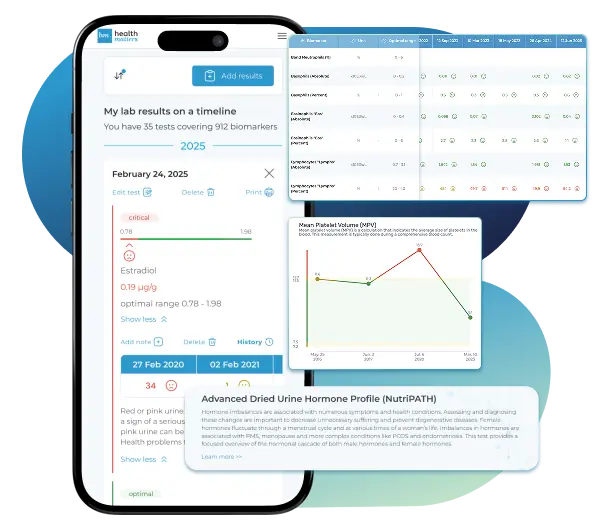
Import lab results from multiple providers, track changes over time, customize your reference ranges, and get clear explanations for each result. Everything is stored securely, exportable in one organized file, and shareable with your doctor—or anyone you choose.
Cancel or upgrade anytime
What does it mean if your Secretory IgA result is too low?
Low secretory IgA (below 510 µg/g) on the GI-MAP indicates reduced mucosal immune activity in the gut. The most common causes are chronic psychological or physiological stress (cortisol suppresses sIgA), prolonged antibiotic exposure, severe dysbiosis, and NSAID use before sample collection (which can artificially lower sIgA). In some patients, low sIgA reflects selective IgA deficiency or immune exhaustion from chronic IBD. Low sIgA is clinically significant because it reduces first-line gut immune protection and is associated with increased susceptibility to GI infections, dysbiosis, and food sensitivities. Always confirm the result was collected without recent NSAID use before acting on a low finding.
Related Biomarkers
Article Review & Sources
All our content is backed by peer-reviewed studies, academic research, and trusted medical sources. We're committed to accuracy and transparency — see our editorial policy for details.
Laboratories
Bring All Your Lab Results Together — In One Place
We accept reports from any lab, so you can easily collect and organize all your health information in one secure spot.











Pricing Table
Gather Your Lab History — and Finally Make Sense of It
Finally, Your Lab Results Organized and Clear

Personal plans

$79/ year
Advanced Plan
Access your lab reports, explanations, and tracking tools.
- Import lab results from any provider
- Track all results with visual tools
- Customize your reference ranges
- Export your full lab history anytime
- Share results securely with anyone
- Receive 5 reports entered for you
- Cancel or upgrade anytime
$250/ once
Unlimited Account
Pay once, access everything—no monthly fees, no limits.
- Import lab results from any provider
- Track all results with visual tools
- Customize your reference ranges
- Export your full lab history anytime
- Share results securely with anyone
- Receive 10 reports entered for you
- No subscriptions. No extra fees.
$45/ month
Pro Monthly
Designed for professionals managing their clients' lab reports
- Import lab results from any provider
- Track lab results for multiple clients
- Customize reference ranges per client
- Export lab histories and reports
- Begin with first report entered by us
- Cancel or upgrade anytime
About membership
What's included in a Healthmatters membership
 Import Lab Results from Any Source
 See Your Health Timeline
 Understand What Your Results Mean

 Visualize Your Results

 Data Entry Service for Your Reports
 Securely Share With Anyone You Trust
Let Your Lab Results Tell the Full Story
Once your results are in one place, see the bigger picture — track trends over time, compare data side by side, export your full history, and share securely with anyone you trust.




Bring all your results together to compare, track progress, export your history, and share securely.
What Healthmatters Members Are Saying

I have been using Healthmatters.io since 2021. I travel all over the world and use different doctors and health facilities. This site has allowed me to consolidate all my various test results over 14 years in one place. And every doctor that I show this to has been impressed. Because with any health professional I talk to, I can pull up historical results in seconds. It is invaluable. Even going back to the same doctor, they usually do not have the historical results from their facility in a graph format. That has been very helpful.
Anthony
Unlimited Plan Member since 2021
What fantastic service and great, easy-to-follow layouts! I love your website; it makes it so helpful to see patterns in my health data. It's truly a pleasure to use. I only wish the NHS was as organized and quick as Healthmatters.io. You've set a new standard for health tracking!
Karin
Advanced Plan Member since 2020
As a PRO member and medical practitioner, Healthmatters.io has been an invaluable tool for tracking my clients' data. The layout is intuitive, making it easy to monitor trends and spot patterns over time. The ability to customize reports and charts helps me present information clearly to my clients, improving communication and outcomes. It's streamlined my workflow, saving me time and providing insights at a glance. Highly recommended for any practitioner looking for a comprehensive and user-friendly solution to track patient labs!
Paul
Healthmatters Pro Member since 2024

We implement proven measures to keep your data safe.
At HealthMatters, we're committed to maintaining the security and confidentiality of your personal information. We've put industry-leading security standards in place to help protect against the loss, misuse, or alteration of the information under our control. We use procedural, physical, and electronic security methods designed to prevent unauthorized people from getting access to this information. Our internal code of conduct adds additional privacy protection. All data is backed up multiple times a day and encrypted using SSL certificates. See our Privacy Policy for more details.