Enterococcus spp.
 Optimal Result:
190000 - 200000000 Units.
Optimal Result:
190000 - 200000000 Units.

Enterococcus is a genus of Gram-positive bacteria that lives in the human gut as part of the normal microbiome. Common species include E. faecalis and E. faecium. In healthy amounts, they coexist with other microbes; when present in excess, Enterococcus can behave opportunistically, forming biofilms, irritating the gut lining, and—if it translocates—contributing to infections outside the gut (e.g., urinary tract).
Helpful context & related markers
-
Calprotectin: inflammation signal—helps gauge gut wall irritation.
-
Secretory IgA (sIgA): mucosal immunity; low levels predispose to overgrowth.
-
Pancreatic Elastase-1: low suggests poor enzyme output.
-
Bile markers / steatocrit (on other panels): bile insufficiency favors dysbiosis.
-
H. pylori (if present): can reduce acid and indirectly promote overgrowth.
FAQs
Does a high Enterococcus mean I have an infection?
Not necessarily. Stool qPCR shows abundance, not invasive infection. Clinical context is key.
Should I take Enterococcus-based probiotics?
Not during an Enterococcus overgrowth. Consider non-Enterococcus probiotics while you rebalance, then reassess.
Is a low result bad?
Usually no. Focus on symptoms and overall microbial diversity rather than boosting this single genus.
Takeaway: On GI-MAP, elevated Enterococcus spp. points to dysbiosis and digestive barriers (acid, bile, enzymes, motility) more than a frank infection. Fix the terrain—diet, digestion, and drivers—and the numbers often follow.
Lab Results Explained and Tracked
What does it mean if your Enterococcus spp. result is too high?
Enterococcus is a type of bacteria normally present in the gut in small amounts. On a GI-MAP report, elevated levels suggest an imbalance (dysbiosis) where this genus has overgrown relative to other microbes. While not always harmful, high Enterococcus can act opportunistically, irritating the gut lining, producing biofilms, and sometimes contributing to infections if it moves outside the gut.
Why levels may be high
-
Recent antibiotics or hospital exposure (Enterococcus often thrives after disruption of gut flora)
-
Low stomach acid, poor bile flow, or low pancreatic enzymes (reducing natural digestive defenses)
-
Diets high in sugars and refined carbohydrates that fuel bacterial overgrowth
-
Constipation or slow motility creating an environment where Enterococcus can expand
-
Low immune defenses in the gut (low secretory IgA)
Possible symptoms
-
Gas, bloating, or abdominal discomfort
-
IBS-like symptoms or post-meal fullness
-
Increased risk for urinary tract infections (via bacterial migration)
-
Low-grade inflammation in the gut
Why it matters
When elevated, Enterococcus can crowd out beneficial microbes and contribute to symptoms of dysbiosis. It is also known to be antibiotic-resistant in hospital settings, so reducing excess growth in the gut helps prevent potential downstream issues.
Supportive steps
-
Diet: Limit refined sugars and processed foods; emphasize diverse plant fibers and whole foods to rebalance the microbiome.
-
Digestion: Support stomach acid, bile flow, and enzyme activity if low—since weak digestion allows overgrowth.
-
Probiotics: Avoid probiotics containing Enterococcus species; focus instead on Lactobacillus and Bifidobacterium blends.
-
Targeted therapies: Clinicians may use herbal antimicrobials (e.g., berberine, oregano, garlic extracts) for short courses if overgrowth is significant and symptomatic.
-
Lifestyle: Support bowel regularity, stress management, and adequate sleep—all of which influence microbial balance.
When to retest
If treatment is undertaken, it’s common to retest in 8–12 weeks to see if Enterococcus levels have normalized and symptoms improved.
Takeaway: Elevated Enterococcus spp. on a GI-MAP points to gut imbalance, reduced digestive defenses, or diet/lifestyle factors favoring overgrowth. Addressing digestion, diet, and microbiome support helps restore balance and reduce symptoms.

All Your Lab Results.
One Simple Dashboard.
Import, Track, and Share Your Lab Results Easily
Import, Track, and Share Your Lab Results
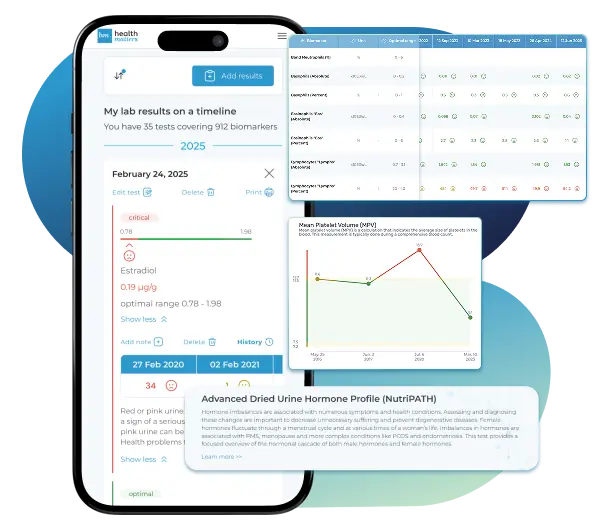
Import lab results from multiple providers, track changes over time, customize your reference ranges, and get clear explanations for each result. Everything is stored securely, exportable in one organized file, and shareable with your doctor—or anyone you choose.
Cancel or upgrade anytime
What does it mean if your Enterococcus spp. result is too low?
Low or undetectable Enterococcus on your GI-MAP is usually not a concern and does not require treatment. Everyone’s gut is unique, and many people naturally carry lower levels without any health problems.
What it means
-
Enterococcus is a type of bacteria that normally lives in the gut.
-
Unlike certain “beneficial” bacteria (such as Bifidobacterium or Faecalibacterium), Enterococcus is not essential for digestion or gut balance.
-
Having low levels does not usually cause symptoms like bloating, diarrhea, or constipation.
Why your levels may be low
-
Recent antibiotics or antimicrobial herbs – these can reduce many bacteria temporarily.
-
Dietary choices – very restricted or low-fiber diets may lower gut bacteria overall.
-
Normal shifts in balance – sometimes it just reflects your unique microbiome mix.
Is it harmful?
-
Low Enterococcus is not harmful on its own.
-
In fact, lower levels may even reduce the chance of problematic overgrowth by strains seen in hospital infections.
-
It matters more if many different bacteria are also showing low — which could point to reduced gut diversity.
When to pay attention
Bring it up with your healthcare provider if:
-
You recently took antibiotics or antimicrobials (temporary changes expected).
-
Your GI-MAP shows multiple low commensal bacteria, suggesting broader imbalance.
-
You have ongoing digestive symptoms alongside low bacterial diversity.
How to support your gut overall
Instead of focusing on Enterococcus alone, the best approach is to keep your gut microbiome as a whole resilient and diverse:
-
Eat plenty of plant-based foods rich in fiber (veggies, fruits, beans, whole grains, resistant starch).
-
Include fermented foods like yogurt, kefir, sauerkraut, or kimchi (if tolerated).
-
Avoid unnecessary antibiotics or antimicrobials.
-
Support your lifestyle: reduce stress, sleep well, and stay physically active.
Takeaway
Low Enterococcus is not worrisome by itself. What matters most is overall gut balance and diversity, since this has the biggest impact on digestion and long-term health.
Related Biomarkers
Article Review & Sources
All our content is backed by peer-reviewed studies, academic research, and trusted medical sources. We're committed to accuracy and transparency — see our editorial policy for details.
Laboratories
Bring All Your Lab Results Together — In One Place
We accept reports from any lab, so you can easily collect and organize all your health information in one secure spot.










Pricing Table
Gather Your Lab History — and Finally Make Sense of It
Finally, Your Lab Results Organized and Clear

Personal plans

$79/ year
Advanced Plan
Access your lab reports, explanations, and tracking tools.
- Import lab results from any provider
- Track all results with visual tools
- Customize your reference ranges
- Export your full lab history anytime
- Share results securely with anyone
- Receive 5 reports entered for you
- Cancel or upgrade anytime
$250/ once
Unlimited Account
Pay once, access everything—no monthly fees, no limits.
- Import lab results from any provider
- Track all results with visual tools
- Customize your reference ranges
- Export your full lab history anytime
- Share results securely with anyone
- Receive 10 reports entered for you
- No subscriptions. No extra fees.
$45/ month
Pro Monthly
Designed for professionals managing their clients' lab reports
- Import lab results from any provider
- Track lab results for multiple clients
- Customize reference ranges per client
- Export lab histories and reports
- Begin with first report entered by us
- Cancel or upgrade anytime
About membership
What's included in a Healthmatters membership
 Import Lab Results from Any Source
 See Your Health Timeline
 Understand What Your Results Mean

 Visualize Your Results

 Data Entry Service for Your Reports
 Securely Share With Anyone You Trust
Let Your Lab Results Tell the Full Story
Once your results are in one place, see the bigger picture — track trends over time, compare data side by side, export your full history, and share securely with anyone you trust.




Bring all your results together to compare, track progress, export your history, and share securely.
What Healthmatters Members Are Saying

I have been using Healthmatters.io since 2021. I travel all over the world and use different doctors and health facilities. This site has allowed me to consolidate all my various test results over 14 years in one place. And every doctor that I show this to has been impressed. Because with any health professional I talk to, I can pull up historical results in seconds. It is invaluable. Even going back to the same doctor, they usually do not have the historical results from their facility in a graph format. That has been very helpful.
Anthony
Unlimited Plan Member since 2021
What fantastic service and great, easy-to-follow layouts! I love your website; it makes it so helpful to see patterns in my health data. It's truly a pleasure to use. I only wish the NHS was as organized and quick as Healthmatters.io. You've set a new standard for health tracking!
Karin
Advanced Plan Member since 2020
As a PRO member and medical practitioner, Healthmatters.io has been an invaluable tool for tracking my clients' data. The layout is intuitive, making it easy to monitor trends and spot patterns over time. The ability to customize reports and charts helps me present information clearly to my clients, improving communication and outcomes. It's streamlined my workflow, saving me time and providing insights at a glance. Highly recommended for any practitioner looking for a comprehensive and user-friendly solution to track patient labs!
Paul
Healthmatters Pro Member since 2024

We implement proven measures to keep your data safe.
At HealthMatters, we're committed to maintaining the security and confidentiality of your personal information. We've put industry-leading security standards in place to help protect against the loss, misuse, or alteration of the information under our control. We use procedural, physical, and electronic security methods designed to prevent unauthorized people from getting access to this information. Our internal code of conduct adds additional privacy protection. All data is backed up multiple times a day and encrypted using SSL certificates. See our Privacy Policy for more details.