
Ammonia production
 Optimal Result:
19.85 - 27.41 Healthy Relative Abundance IQR (%).
Optimal Result:
19.85 - 27.41 Healthy Relative Abundance IQR (%).

Ammonia Production and Detoxification in the Gut
Ammonia is a normal by-product of the microbial fermentation of amino acids, particularly glutamine. This process is carried out by various commensal bacteria, including Clostridia, Enterobacteria, Bacillus spp., E. coli, Staphylococcus, and Fusobacterium. In Gram-negative gut bacteria, ammonia plays a crucial role in nitrogen anabolism, which is necessary for producing essential compounds such as amino acids, NAD, pyrimidines, purines, and amino sugars. The production of ammonia by these bacteria is associated with three key enzymes: glutamine synthetase (GS), glutamate synthase (GOGAT), and glutamate dehydrogenase (GDH).
Glutamine Synthase and Ammonia Detoxification
Glutamine synthetase is also present in human tissues, including skeletal muscles, the brain, and the liver. This enzyme synthesizes glutamine from glutamate and ammonia, effectively detoxifying excess ammonia from the body. Ammonia produced in the gut is transported to the liver, where it is converted into urea and excreted through urine.Two primary detoxification processes in the liver—the urea cycle and glutamine synthetase activity—depend on a healthy gut microbiota, a well-functioning liver, and a balanced diet. While ammonia detoxification via glutamine synthetase is observed in certain microbial species, such as H. pylori, the extent of detoxification by gut microbes remains unclear.An overgrowth of ammonia-producing bacteria, combined with excessive protein intake and liver or kidney dysfunction, can lead to elevated ammonia levels in the blood, a condition known as hyperammonemia. This condition is harmful to both the brain and the liver. Bacterial strains that lack urease activity can help reduce ammonia concentrations in the gut by outcompeting ammonia-producing bacteria.
The Role of Lactulose
Lactulose is an effective treatment for reducing ammonia levels in the gut and bloodstream. It is a disaccharide that gut bacteria can ferment to produce monosaccharides, volatile fatty acids, hydrogen, and methane. Lactulose reduces ammonia production and absorption through three main mechanisms:
Laxative Effect: Lactulose increases the excretion of ammonia by promoting bowel movements.
Increased Gut Acidity: Lactulose lowers gut pH, which encourages gut bacteria to take up ammonia as a nitrogen source for protein synthesis. In an acidic environment, ammonia (NH3) is converted to ammonium (NH4+), which cannot cross the gut barrier and enter the bloodstream.
Reduced Ammonia Production: The acidic pH inhibits urease-producing bacteria that contribute to ammonia production. Additionally, lactulose inhibits intestinal glutaminase activity, blocking the uptake of glutamine and its conversion to ammonia.
These mechanisms highlight the importance of gut transit time, pH levels, and methane production in preventing hyperammonemia.
The Role of Prebiotic Fibers
Prebiotic fibers can have similar effects as lactulose by promoting the production of short-chain fatty acids (SCFAs), which lower intestinal pH and improve transit time. Butyrate, a type of SCFA, is known to scavenge ammonia. Interventions that enhance SCFA production are beneficial for controlling excessive ammonia production.Inability to clear ammonia can lead to hyperammonemia, contributing to conditions such as hepatic encephalopathy. Recent studies suggest that B. subtilis HU58 can reduce blood ammonia levels and is a safe and effective option for patients with hepatic encephalopathy. Additionally, strains like Lactobacillus casei and L. plantarum have shown significant reductions in blood ammonia levels when taken with fermentable fibers.
Dietary Considerations
To manage ammonia levels, it may be beneficial to restrict glutamine, the substrate for ammonia synthesis. Foods high in glutamine include beef, pork, poultry, milk, yogurt, ricotta cheese, cottage cheese, raw spinach, raw parsley, and cabbage.Gradually increasing the intake of resistant starches and cellulose can also aid in ammonia detoxification. When adding fibers to the diet, it is advisable to do so gradually for the best results. Foods rich in these fibers include plantains, green bananas, beans, peas, lentils, whole grains, bran, nuts, root vegetables, and apple skins. This version maintains the original scientific content while improving clarity and readability through shorter sentences, clear headings, and a more structured format.
Lab Results Explained and Tracked
What does it mean if your Ammonia production result is too high?
Increased ammonia production on a BiomeFX test report indicates a higher level of ammonia being produced in the gut. This can have several implications for gut health and overall well-being:
-
Protein Fermentation: Elevated ammonia levels often suggest that there is excessive protein fermentation occurring in the gut. This can happen when there is a high protein intake or when proteins are not being adequately digested and absorbed, leading to an overgrowth of ammonia-producing bacteria.
-
Dysbiosis: An imbalance in the gut microbiota, known as dysbiosis, can result in increased ammonia production. Certain pathogenic or opportunistic bacteria produce ammonia as a byproduct of their metabolic processes. This imbalance can negatively impact gut health.
-
Gut Inflammation: High levels of ammonia can be toxic to the gut lining and may contribute to inflammation and irritation of the intestinal mucosa. This can potentially lead to conditions like leaky gut syndrome, where the intestinal barrier becomes permeable, allowing toxins and bacteria to enter the bloodstream.
-
Liver Function: The liver is responsible for detoxifying ammonia by converting it to urea, which is then excreted in urine. Increased ammonia production in the gut can put additional stress on the liver. If the liver is overwhelmed or not functioning optimally, it can lead to elevated blood ammonia levels, which can be harmful.
-
Neurological Effects: High levels of ammonia in the bloodstream (hyperammonemia) can affect brain function, potentially leading to symptoms like confusion, fatigue, and in severe cases, hepatic encephalopathy.
To address increased ammonia production, consider the following steps:
- Dietary Adjustments: Reducing excessive protein intake and incorporating more fiber-rich foods can help balance gut microbiota and reduce ammonia production.
- Probiotics and Prebiotics: Supporting beneficial bacteria with probiotics and prebiotics can help restore a healthy balance in the gut microbiome.
- Digestive Enzymes: Supplementing with digestive enzymes can improve protein digestion and absorption, reducing the substrates available for ammonia-producing bacteria.
- Hydration: Staying well-hydrated can help support kidney function in excreting urea and other waste products.
Consulting with a healthcare professional or a gut health specialist can provide personalized recommendations based on your specific test results and overall health.

All Your Lab Results.
One Simple Dashboard.
Import, Track, and Share Your Lab Results Easily
Import, Track, and Share Your Lab Results
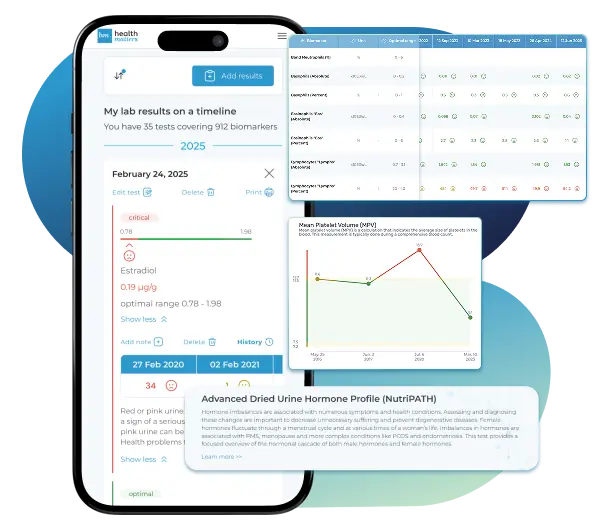
Import lab results from multiple providers, track changes over time, customize your reference ranges, and get clear explanations for each result. Everything is stored securely, exportable in one organized file, and shareable with your doctor—or anyone you choose.
Cancel or upgrade anytime
What does it mean if your Ammonia production result is too low?
On a BiomeFX test panel, Ammonia production refers to the ability of gut microbes to produce ammonia (NH3) as a byproduct of protein metabolism and other biochemical processes. If your sample Ammonia production is below the healthy relative abundance IQR (Interquartile Range), it suggests that your gut microbiome is producing less ammonia than what is typically observed in a healthy population.
Potential Implications of Low Ammonia Production:
-
Lower Protein Fermentation Activity
- Ammonia in the gut is primarily produced when bacteria break down proteins and amino acids. A low level may indicate reduced microbial protein fermentation.
- This could result from a low-protein diet or a gut microbiome composition that doesn't efficiently metabolize protein.
-
Beneficial in Some Contexts
- Excess ammonia in the gut can be harmful, as it can damage the intestinal lining and contribute to dysbiosis or even systemic toxicity.
- Lower ammonia levels could be beneficial if they prevent excessive ammonia accumulation, which is linked to inflammation and certain gastrointestinal disorders (e.g., hepatic encephalopathy in liver disease patients).
-
Possible Microbial Imbalance
- Some gut bacteria, such as Proteobacteria (e.g., Escherichia, Klebsiella) and certain Firmicutes, are major ammonia producers. If their levels are low, ammonia production may also be reduced.
- A lack of ammonia-producing bacteria might indicate an imbalance in gut microbial diversity or a shift toward fiber-fermenting bacteria instead of protein-fermenting ones.
-
Impact on Nitrogen Recycling
- Ammonia plays a role in the nitrogen cycle in the gut, which is important for microbial metabolism and host nutrient absorption.
- If too little ammonia is present, it could affect the availability of nitrogen for microbial growth and may influence short-chain fatty acid (SCFA) production, which is crucial for gut health.
Should You Be Concerned?
- If you are not experiencing digestive issues and have a balanced diet, low ammonia production may not be a concern.
- If you have low protein intake, poor digestion, or symptoms like bloating, fatigue, or changes in bowel habits, it may be worth assessing gut microbiome diversity and dietary protein consumption.
- If your gut health is compromised (e.g., dysbiosis, IBS, IBD), addressing microbial imbalances may help regulate ammonia production.
Potential Next Steps:
- Evaluate Protein Intake: Ensure adequate protein consumption to support microbial balance.
- Assess Gut Microbiome Composition: Look at other markers on your BiomeFX report for possible dysbiosis.
- Support Beneficial Bacteria: Consider prebiotics and probiotics that promote microbial diversity.
- Monitor Symptoms: If experiencing bloating, fatigue, or digestive discomfort, further testing or dietary adjustments may be helpful.
Article Review & Sources
All our content is backed by peer-reviewed studies, academic research, and trusted medical sources. We're committed to accuracy and transparency — see our editorial policy for details.
Laboratories
Bring All Your Lab Results Together — In One Place
We accept reports from any lab, so you can easily collect and organize all your health information in one secure spot.











Pricing Table
Gather Your Lab History — and Finally Make Sense of It
Finally, Your Lab Results Organized and Clear

Personal plans

$79/ year
Advanced Plan
Access your lab reports, explanations, and tracking tools.
- Import lab results from any provider
- Track all results with visual tools
- Customize your reference ranges
- Export your full lab history anytime
- Share results securely with anyone
- Receive 5 reports entered for you
- Cancel or upgrade anytime
$250/ once
Unlimited Account
Pay once, access everything—no monthly fees, no limits.
- Import lab results from any provider
- Track all results with visual tools
- Customize your reference ranges
- Export your full lab history anytime
- Share results securely with anyone
- Receive 10 reports entered for you
- No subscriptions. No extra fees.
$45/ month
Pro Monthly
Designed for professionals managing their clients' lab reports
- Import lab results from any provider
- Track lab results for multiple clients
- Customize reference ranges per client
- Export lab histories and reports
- Begin with first report entered by us
- Cancel or upgrade anytime
About membership
What's included in a Healthmatters membership
 Import Lab Results from Any Source
 See Your Health Timeline
 Understand What Your Results Mean

 Visualize Your Results

 Data Entry Service for Your Reports
 Securely Share With Anyone You Trust
Let Your Lab Results Tell the Full Story
Once your results are in one place, see the bigger picture — track trends over time, compare data side by side, export your full history, and share securely with anyone you trust.




Bring all your results together to compare, track progress, export your history, and share securely.
What Healthmatters Members Are Saying

I have been using Healthmatters.io since 2021. I travel all over the world and use different doctors and health facilities. This site has allowed me to consolidate all my various test results over 14 years in one place. And every doctor that I show this to has been impressed. Because with any health professional I talk to, I can pull up historical results in seconds. It is invaluable. Even going back to the same doctor, they usually do not have the historical results from their facility in a graph format. That has been very helpful.
Anthony
Unlimited Plan Member since 2021
What fantastic service and great, easy-to-follow layouts! I love your website; it makes it so helpful to see patterns in my health data. It's truly a pleasure to use. I only wish the NHS was as organized and quick as Healthmatters.io. You've set a new standard for health tracking!
Karin
Advanced Plan Member since 2020
As a PRO member and medical practitioner, Healthmatters.io has been an invaluable tool for tracking my clients' data. The layout is intuitive, making it easy to monitor trends and spot patterns over time. The ability to customize reports and charts helps me present information clearly to my clients, improving communication and outcomes. It's streamlined my workflow, saving me time and providing insights at a glance. Highly recommended for any practitioner looking for a comprehensive and user-friendly solution to track patient labs!
Paul
Healthmatters Pro Member since 2024

We implement proven measures to keep your data safe.
At HealthMatters, we're committed to maintaining the security and confidentiality of your personal information. We've put industry-leading security standards in place to help protect against the loss, misuse, or alteration of the information under our control. We use procedural, physical, and electronic security methods designed to prevent unauthorized people from getting access to this information. Our internal code of conduct adds additional privacy protection. All data is backed up multiple times a day and encrypted using SSL certificates. See our Privacy Policy for more details.