
 Optimal Result:
200 - 1000 mcg/g.
Optimal Result:
200 - 1000 mcg/g.

The pancreatic elastase 1 fecal test is used to diagnose insufficiencies of the pancreas that result in diseases such as:
- Cystic fibrosis
- Chronic pancreatitis
- Pancreatic cancer
- Inflammatory Bowel Disease
- Gallstones
- Diabetes, Type 1
- Shwachman-Diamond Syndrome
In many of these conditions, there is often diarrhea, weight loss, undigested food in the stool, and pain in the abdomen. If the condition continues for a longer period of time, then low bone density may be found.
This test is an excellent biomarker for how well the pancreas is working because the enzyme pancreatic elastase I is not broken down by what happens in the intestinal tract. The Elastase I protein is found concentrated in the stool, five times higher than what is found in pancreatic juice.
Normal Ranges for Pancreatic Elastase in ug/gram fecal matter:
Normal: >200 ug elastase/gram fecal matter
Severe pancreatic insufficiency: <100 ug elastase/gram fecal matter
Moderate pancreatic insufficiency: 100-200 ug elastase/gram fecal matter
Sources:
- https://www.labcorp.com/test-menu/32666/pancreatic-elastase-fecal
- https://www.gdx.net/product/pancreatic-elastase-test-stool
- https://www.childrensmn.org/references/lab/urinestool/pancreatic-elastase-stool.pdf
- Lam KW, Leeds J. How to manage: patient with a low faecal elastase. Frontline Gastroenterol. 2019 Nov 15;12(1):67-73. doi: 10.1136/flgastro-2018-101171. PMID: 33489070; PMCID: PMC7802491. [L]
Lab Results Explained and Tracked
What does it mean if your Pancreatic Elastase-1 result is too high?
There are no problems recorded in medical literature for high levels of Pancreatic Elastase I.
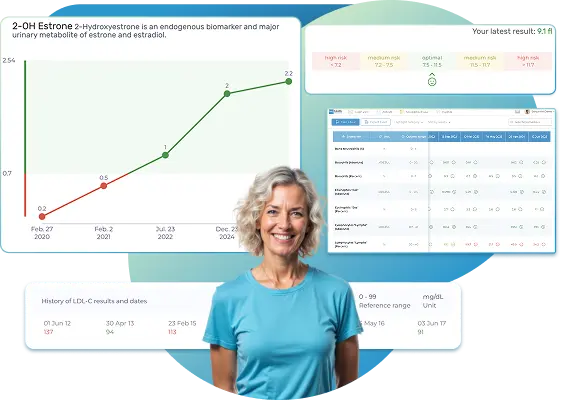
All Your Lab Results.
One Simple Dashboard.
Import, Track, and Share Your Lab Results Easily
Import, Track, and Share Your Lab Results
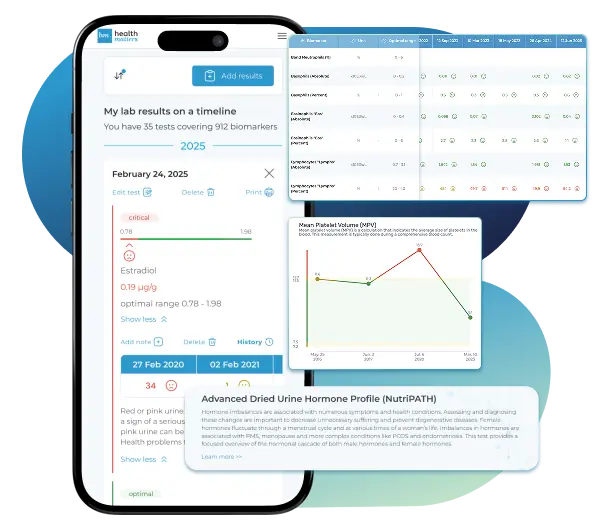
Import lab results from multiple providers, track changes over time, customize your reference ranges, and get clear explanations for each result. Everything is stored securely, exportable in one organized file, and shareable with your doctor—or anyone you choose.
Cancel or upgrade anytime
What does it mean if your Pancreatic Elastase-1 result is too low?
The lower the level of Pancreatic Elastase I is in the stool, the worse the pancreatic insufficiency is.
Doctors find that the following conditions are associated with low levels of pancreatic elastase I:
- Cystic fibrosis
- Chronic pancreatitis
- Pancreatic cancer
- Inflammatory Bowel Disease
- Gallstones
- Diabetes, Type 1
- Shwachman-Diamond Syndrome
-------------------
If used routinely in gastrointestinal practice, an abnormal result will frequently occur but this cannot be assumed to mean that the person has PEI. This finding should prompt the clinician to arrange further investigations to identify whether there is evidence of primary PEI, secondary PEI or whether there is another reason why the Fel-1 level is low.
A low Pancreatic Elastase 1 may indicate that the cause of symptoms may be due to a pancreatic cause and should prompt further investigations to identify this rather than only treat with PERT.
Making a diagnosis of PEI requires more than a single abnormal Fel-1 level and includes assessment of the patients’ symptoms, nutritional status, risk factors for pancreatic disease, endocrine function and structural imaging. Early diagnosis is important as treatment with PERT alleviates symptoms, improves quality of life and helps prevent long-term complications related to fat malabsorption.
-------------------
How to increase Pancreatic Elastase?
If you are diagnosed with chronic pancreatitis, there are treatments that can help manage your condition. Treatment usually includes dietary changes, medicines to manage pain, and/or pancreatic enzyme supplements you can take with each meal. Your provider may also recommend that you give up drinking alcohol and smoking.
Pancreatic Exocrine Insufficiency Management
It is important to treat the underlying cause of PEI, and these treatments will vary depending on the cause. However, there are options available that make it easier for the body to break down and absorb nutrients, which can help reduce the steatorrhea and nutritional deficiencies that PEI causes.
Lifestyle Changes
Eat multiple, small meals spaced throughout the day, rather than one or two large meals. It is easier for your small intestine to absorb nutrients when there isn’t as much food to digest at once. Fatty foods can worsen steatorrhea, but it is still important to consume enough fat for necessary bodily functions and because fats are required to absorb certain vitamins. Just ensure that it is primarily from either plant sources – such as nuts, seeds, or olives – or from fatty fish, rather than from processed foods or red meat. And while fibre is good for gut health, for many individuals with PEI it is better to keep fibre intake low, as this can make digestion easier. Underweight individuals will need to focus on high-calorie foods, to get enough energy for optimal health. If you have PEI, it is a good idea to consult with a registered dietitian, who can work with you to establish a meal plan tailored to your lifestyle, that maximizes the nutritional quality of what you eat, and reverses any nutritional deficiencies.
Blood tests allow your physician to analyze levels of different micronutrients in your blood and then recommend supplements to help bring these levels back to normal.
Avoid drinking alcohol and smoking cigarettes, as these products can be damaging to the pancreas, especially in those who have PEI from chronic pancreatitis or pancreatic cancer.
Enzyme Therapy
The most effective treatment for PEI is pancreatic enzyme replacement therapy (PERT), which involves taking a medication called pancrelipase to provide the body with enzymes that break down fats and proteins. Those with PEI must take PERT with each meal or snack that contains fat and/or protein. When you consume PERT with food, it duplicates the normal digestive process because the enzymes mix with the food and help you absorb more nutrition from the food and supplements that you consume.
You will need to work with your healthcare team to establish dosage for PERT. The amount of enzymes needed varies from person-to-person and meal-to-meal, with large, fatty meals requiring more enzymes than small, low-fat meals. PERT is a safe treatment, without any known serious side effects.
Pancreatic Exocrine Insufficiency Outlook
With pancreatic enzyme replacement therapy and some changes to dietary adjustments, you can manage symptoms of pancreatic exocrine insufficiency. However, it is most important to work with your healthcare team to treat the underlying cause of PEI.
Article Review & Sources
All our content is backed by peer-reviewed studies, academic research, and trusted medical sources. We're committed to accuracy and transparency — see our editorial policy for details.
Laboratories
Bring All Your Lab Results Together — In One Place
We accept reports from any lab, so you can easily collect and organize all your health information in one secure spot.











Pricing Table
Gather Your Lab History — and Finally Make Sense of It
Finally, Your Lab Results Organized and Clear

Personal plans

$79/ year
Advanced Plan
Access your lab reports, explanations, and tracking tools.
- Import lab results from any provider
- Track all results with visual tools
- Customize your reference ranges
- Export your full lab history anytime
- Share results securely with anyone
- Receive 5 reports entered for you
- Cancel or upgrade anytime
$250/ once
Unlimited Account
Pay once, access everything—no monthly fees, no limits.
- Import lab results from any provider
- Track all results with visual tools
- Customize your reference ranges
- Export your full lab history anytime
- Share results securely with anyone
- Receive 10 reports entered for you
- No subscriptions. No extra fees.
$45/ month
Pro Monthly
Designed for professionals managing their clients' lab reports
- Import lab results from any provider
- Track lab results for multiple clients
- Customize reference ranges per client
- Export lab histories and reports
- Begin with first report entered by us
- Cancel or upgrade anytime
About membership
What's included in a Healthmatters membership
 Import Lab Results from Any Source
 See Your Health Timeline
 Understand What Your Results Mean

 Visualize Your Results

 Data Entry Service for Your Reports
 Securely Share With Anyone You Trust
Let Your Lab Results Tell the Full Story
Once your results are in one place, see the bigger picture — track trends over time, compare data side by side, export your full history, and share securely with anyone you trust.




Bring all your results together to compare, track progress, export your history, and share securely.
What Healthmatters Members Are Saying

I have been using Healthmatters.io since 2021. I travel all over the world and use different doctors and health facilities. This site has allowed me to consolidate all my various test results over 14 years in one place. And every doctor that I show this to has been impressed. Because with any health professional I talk to, I can pull up historical results in seconds. It is invaluable. Even going back to the same doctor, they usually do not have the historical results from their facility in a graph format. That has been very helpful.
Anthony
Unlimited Plan Member since 2021
What fantastic service and great, easy-to-follow layouts! I love your website; it makes it so helpful to see patterns in my health data. It's truly a pleasure to use. I only wish the NHS was as organized and quick as Healthmatters.io. You've set a new standard for health tracking!
Karin
Advanced Plan Member since 2020
As a PRO member and medical practitioner, Healthmatters.io has been an invaluable tool for tracking my clients' data. The layout is intuitive, making it easy to monitor trends and spot patterns over time. The ability to customize reports and charts helps me present information clearly to my clients, improving communication and outcomes. It's streamlined my workflow, saving me time and providing insights at a glance. Highly recommended for any practitioner looking for a comprehensive and user-friendly solution to track patient labs!
Paul
Healthmatters Pro Member since 2024

We implement proven measures to keep your data safe.
At HealthMatters, we're committed to maintaining the security and confidentiality of your personal information. We've put industry-leading security standards in place to help protect against the loss, misuse, or alteration of the information under our control. We use procedural, physical, and electronic security methods designed to prevent unauthorized people from getting access to this information. Our internal code of conduct adds additional privacy protection. All data is backed up multiple times a day and encrypted using SSL certificates. See our Privacy Policy for more details.