
 Optimal Result:
2 - 5 ml.
Optimal Result:
2 - 5 ml.

In contrast to most other body secretions examined for the purpose of diagnosis or follow-up of treatment, the ejaculate is a heterogeneous mixture of secretions that does not exist within the body before being expelled. The ejaculate is produced from a concentrated suspension of spermatozoa, stored in the paired epididymides, mixed with, and diluted by, primarily the prostatic fluid in the urethra, followed by the emptying of the secretion of the seminal vesicles. Thus, the sequential ejaculate fractions are not equally composed. Comparison of pre- and post-vasectomy ejaculate volume reveals that about 90% of the volume is composed of secretions from the accessory organs, mainly the prostate and seminal vesicles, with minor contributions from the bulbourethral (Cowper’s) glands and epididymides.
There is some evidence that the total volume and the content of spermatozoa of ejaculates vary depending on the circumstances under which the ejaculate is produced. Ejaculates produced by masturbation and collected in containers in a room near the laboratory can result in lower yield than those recovered from nonspermicidal condoms used during intercourse at home. This difference may reflect a different level and duration of sexual arousal, since the time spent producing a sample by masturbation also influences the ejaculate volume and contents.
Under given conditions of collection, ejaculate characteristics depend on factors that usually cannot be modified, such as sperm production by the testes, accessory organ secretions and recent (particularly febrile) illness, as well as other factors, such as ejaculation abstinence, that should be recorded and considered in interpreting the results.
Key patient factors influencing the ejaculate will include:
→ The size of the testicles, which influences the total number of spermatozoa produced per day and thereby indirectly output per ejaculate. Testicular size reflects the level of spermatogenic capacity, which is also related to sperm morphology.
→ Endocrine status
→ Medications the man is taking. For instance, the transport of spermatozoa from the epididymides to the urethra depends on the activation of alpha-1 receptors in smooth muscle cells in the vasa deferentia. Treatment with alpha-blockers (anti-hypertensive drugs and symptomatic treatment of prostate hypertrophy) or selective serotonin reuptake inhibitor (SSRI) antidepressants (e.g. sertraline, fluoxetine, amitriptyline) can inhibit vas deferens motility and also accessory sex gland emptying.
→ Supplements or non-prescribed medications such as anabolic steroids. These variable and largely uncontrollable factors contribute to the well-known variation in semen composition among individuals. There is evidence that the results of one single ejaculate examination are enough to decide subsequent steps of an infertility investigation of the man. On the other hand, to define an exact baseline for an individual, it can be necessary to examine two or three ejaculates. While measurements made on the whole population of ejaculated spermatozoa cannot define the fertilizing capacity of the few that reach the site of fertilization, ejaculate analysis nevertheless provides essential information on the functional status of the reproductive organs of the individual. All aspects of ejaculate collection and examination must be assessed using properly standardized procedures if the results are to provide reliable – that is, valid and useful – information.
References:
WHO laboratory manual for the examination and processing of human semen, Sixth edition, 27 July 2021, Manual [L]
Lab Results Explained and Tracked
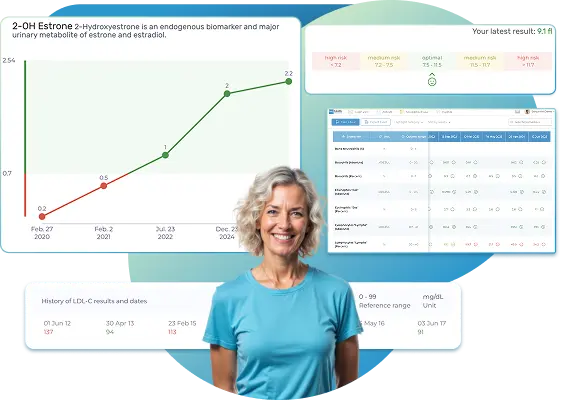
All Your Lab Results.
One Simple Dashboard.
Import, Track, and Share Your Lab Results Easily
Import, Track, and Share Your Lab Results
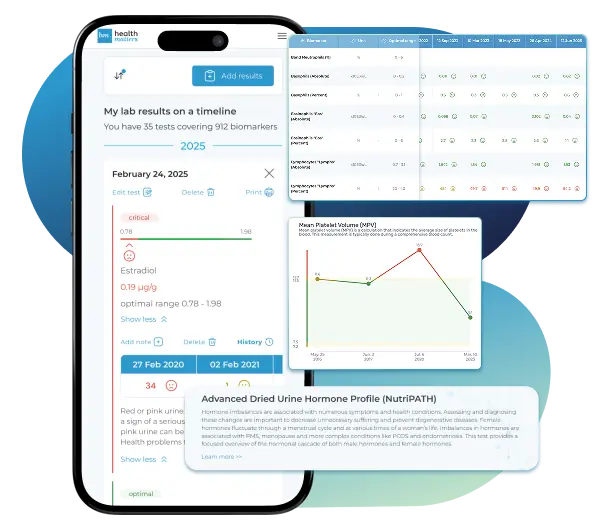
Import lab results from multiple providers, track changes over time, customize your reference ranges, and get clear explanations for each result. Everything is stored securely, exportable in one organized file, and shareable with your doctor—or anyone you choose.
Cancel or upgrade anytime
What does it mean if your Volume result is too low?
A low semen volume, also known as hypospermia, can signify various underlying factors and may have implications for male reproductive health. Here's what it can signify:
→ Reduced Fertility: One of the primary concerns associated with low semen volume is reduced fertility. Semen carries and nourishes sperm, and a decreased volume may result in fewer sperm being available for fertilization, potentially leading to difficulties in achieving pregnancy.
→ Seminal Vesicle Issues: Semen volume is primarily derived from the seminal vesicles. Therefore, a low volume may indicate issues with these structures, such as absence or hypoplasia (underdevelopment), which can contribute to a reduced ejaculate volume.
→ Fluctuations in Volume: It's important to note that the volume of semen can naturally fluctuate from one ejaculation to another. Occasional low semen volume may not necessarily indicate a problem, as this can be influenced by factors like hydration, frequency of ejaculation, and overall health.
→ Medical Conditions: In some cases, low semen volume could be associated with underlying medical conditions or hormonal imbalances, such as low testosterone levels. It may also be linked to aging in some individuals.
→ Treatment Options: If low semen volume is a concern, individuals should consult a healthcare professional for a proper evaluation. Depending on the underlying cause, treatment options may include addressing any medical conditions, lifestyle changes, or assisted reproductive techniques for fertility issues.
Related Biomarkers
Article Review & Sources
All our content is backed by peer-reviewed studies, academic research, and trusted medical sources. We're committed to accuracy and transparency — see our editorial policy for details.
Laboratories
Bring All Your Lab Results Together — In One Place
We accept reports from any lab, so you can easily collect and organize all your health information in one secure spot.











Pricing Table
Gather Your Lab History — and Finally Make Sense of It
Finally, Your Lab Results Organized and Clear

Personal plans

$79/ year
Advanced Plan
Access your lab reports, explanations, and tracking tools.
- Import lab results from any provider
- Track all results with visual tools
- Customize your reference ranges
- Export your full lab history anytime
- Share results securely with anyone
- Receive 5 reports entered for you
- Cancel or upgrade anytime
$250/ once
Unlimited Account
Pay once, access everything—no monthly fees, no limits.
- Import lab results from any provider
- Track all results with visual tools
- Customize your reference ranges
- Export your full lab history anytime
- Share results securely with anyone
- Receive 10 reports entered for you
- No subscriptions. No extra fees.
$45/ month
Pro Monthly
Designed for professionals managing their clients' lab reports
- Import lab results from any provider
- Track lab results for multiple clients
- Customize reference ranges per client
- Export lab histories and reports
- Begin with first report entered by us
- Cancel or upgrade anytime
About membership
What's included in a Healthmatters membership
 Import Lab Results from Any Source
 See Your Health Timeline
 Understand What Your Results Mean

 Visualize Your Results

 Data Entry Service for Your Reports
 Securely Share With Anyone You Trust
Let Your Lab Results Tell the Full Story
Once your results are in one place, see the bigger picture — track trends over time, compare data side by side, export your full history, and share securely with anyone you trust.




Bring all your results together to compare, track progress, export your history, and share securely.
What Healthmatters Members Are Saying

I have been using Healthmatters.io since 2021. I travel all over the world and use different doctors and health facilities. This site has allowed me to consolidate all my various test results over 14 years in one place. And every doctor that I show this to has been impressed. Because with any health professional I talk to, I can pull up historical results in seconds. It is invaluable. Even going back to the same doctor, they usually do not have the historical results from their facility in a graph format. That has been very helpful.
Anthony
Unlimited Plan Member since 2021
What fantastic service and great, easy-to-follow layouts! I love your website; it makes it so helpful to see patterns in my health data. It's truly a pleasure to use. I only wish the NHS was as organized and quick as Healthmatters.io. You've set a new standard for health tracking!
Karin
Advanced Plan Member since 2020
As a PRO member and medical practitioner, Healthmatters.io has been an invaluable tool for tracking my clients' data. The layout is intuitive, making it easy to monitor trends and spot patterns over time. The ability to customize reports and charts helps me present information clearly to my clients, improving communication and outcomes. It's streamlined my workflow, saving me time and providing insights at a glance. Highly recommended for any practitioner looking for a comprehensive and user-friendly solution to track patient labs!
Paul
Healthmatters Pro Member since 2024

We implement proven measures to keep your data safe.
At HealthMatters, we're committed to maintaining the security and confidentiality of your personal information. We've put industry-leading security standards in place to help protect against the loss, misuse, or alteration of the information under our control. We use procedural, physical, and electronic security methods designed to prevent unauthorized people from getting access to this information. Our internal code of conduct adds additional privacy protection. All data is backed up multiple times a day and encrypted using SSL certificates. See our Privacy Policy for more details.