
Total NKT (CD56+ CD16+ T Cell)
 Optimal Result:
10 - 120 cells/uL.
Optimal Result:
10 - 120 cells/uL.

Total NKT (CD56+ CD16+ T Cells): What It Represents
The Total NKT (CD56+ CD16+ T Cell) marker measures the absolute count of natural killer T (NKT) cells in the blood. NKT cells are a specialized group of immune cells that share characteristics of both T lymphocytes (adaptive immunity) and natural killer (NK) cells (innate immunity). They play a crucial role in immune defense, inflammation regulation, and the body’s response to infections and tumors.
NKT cells express CD56 and CD16, markers typically associated with NK cells, along with T-cell receptors (TCRs). They are involved in:
- Immune surveillance: Recognizing and destroying infected or abnormal cells.
- Regulation of inflammation: Modulating immune responses to prevent overactivation.
- Cancer immunity: Detecting and attacking tumor cells.
- Autoimmune prevention: Promoting immune tolerance to prevent the body from attacking itself.
Normal Range
- The absolute count for Total NKT cells typically falls between 50 and 500 cells/µL, depending on the laboratory reference range and population studied.
What Do Abnormal Total NKT Cell Levels Indicate?
Low Total NKT Cell Levels
Low counts of NKT cells may indicate weakened immune regulation or reduced capacity to respond to infections and malignancies.
Potential Causes:
-
Chronic Viral Infections
- Conditions like HIV, hepatitis B/C, or cytomegalovirus (CMV) may deplete NKT cells over time, leading to immune dysfunction.
-
Autoimmune Diseases
- Low NKT cell counts are associated with some autoimmune conditions, such as type 1 diabetes, multiple sclerosis, and systemic lupus erythematosus (SLE), as these cells help maintain immune tolerance.
-
Cancer
- Diminished NKT cells may impair immune surveillance, increasing the risk of tumor growth and progression.
-
Immunosuppressive Therapies
- Chemotherapy, radiation, or immunosuppressive drugs can reduce NKT cell populations.
-
Aging (Immunosenescence)
- With age, the immune system naturally declines, leading to reduced numbers and functionality of NKT cells.
-
Nutritional Deficiencies
- Inadequate intake of vitamin D, zinc, or other essential nutrients may impair the development and activity of NKT cells.
High Total NKT Cell Levels
Elevated NKT cell counts often indicate heightened immune activation or dysregulation, which can occur in response to infections, inflammation, or immune system challenges.
Potential Causes:
-
Chronic Infections
- Persistent infections, particularly viral (e.g., Epstein-Barr virus (EBV), HIV, hepatitis), or intracellular bacterial infections can drive prolonged immune activation, leading to increased NKT cell levels.
-
Autoimmune Diseases
- In autoimmune conditions such as rheumatoid arthritis or Hashimoto’s thyroiditis, elevated NKT cells may contribute to chronic inflammation and tissue damage.
-
Cancer
- Certain cancers may cause an increase in NKT cells as part of the immune response to tumor cells. However, the functional status of these cells may vary.
-
Allergic and Hypersensitivity Reactions
- NKT cells play a role in regulating allergic responses, and their levels may rise during conditions like asthma, eczema, or food allergies.
-
Chronic Inflammatory Diseases
- Conditions like chronic obstructive pulmonary disease (COPD) or inflammatory bowel disease (IBD) are associated with increased NKT cell activation and expansion.
-
Post-Vaccination or Immune Stimulation
- Recent exposure to pathogens or vaccines may temporarily elevate NKT cell counts as part of an adaptive immune response.
Clinical Relevance of Total NKT Cells
-
Immune System Health
- Total NKT cell counts provide insight into the immune system's ability to regulate and respond to infections, inflammation, and tumors.
-
Monitoring Chronic Diseases
- Abnormal NKT cell levels are a marker of immune dysregulation in autoimmune diseases, chronic infections, and inflammatory conditions.
-
Cancer Surveillance
- Elevated or diminished NKT cells may indicate the immune system's response to malignancies, serving as a potential biomarker in cancer diagnosis and prognosis.
-
Autoimmune and Allergic Conditions
- Total NKT cell levels can reflect immune system overactivity or dysfunction in diseases involving hypersensitivity or autoimmunity.
Symptoms Associated with Abnormal NKT Cell Levels
-
Low Levels:
- Increased susceptibility to infections (viral, bacterial, or fungal).
- Weak or inadequate immune responses.
- Signs of autoimmune disease progression (e.g., fatigue, joint pain, rashes).
-
High Levels:
- Symptoms of chronic inflammation, such as swelling, pain, or redness.
- Exacerbation of allergies or hypersensitivity reactions.
- Autoimmune disease flares (e.g., worsening fatigue, organ-specific symptoms).
How to Manage Abnormal NKT Cell Levels
-
Identify Underlying Causes
- Further testing for chronic infections, autoimmune diseases, or inflammatory markers may help determine the root cause.
-
Address Chronic Conditions
- Infections: Treat underlying infections with antiviral, antibacterial, or antifungal medications.
- Autoimmunity or Inflammation: Use immunomodulatory therapies to reduce overactivation or restore balance.
-
Support Immune Health
- Nutrition: Ensure adequate intake of key immune-supporting nutrients like vitamin D, zinc, selenium, and omega-3 fatty acids.
- Anti-Inflammatory Diet: Emphasize antioxidant-rich fruits, vegetables, and healthy fats while reducing processed foods.
- Probiotics: Maintain a healthy gut microbiome to support immune regulation.
-
Reduce Immune Stress
- Practice stress management techniques such as yoga, meditation, or mindfulness.
- Engage in moderate exercise to enhance immune function.
-
Monitor Trends
- Regular testing and follow-ups with healthcare professionals can track changes in total NKT cell levels and guide treatment plans.
Why Total NKT Cells Matter
The Total NKT (CD56+ CD16+ T Cell) marker is a key indicator of immune system activity and balance. Low levels suggest weakened immunity or impaired regulation, while high levels reflect heightened immune activation or chronic immune challenges. Monitoring and addressing abnormal levels can help optimize immune health and improve outcomes in conditions ranging from infections to autoimmune diseases and cancer.
Lab Results Explained and Tracked
What does it mean if your Total NKT (CD56+ CD16+ T Cell) result is too high?
Elevated Total NKT (CD56+ CD16+ T Cells): What It Signifies
Elevated levels of Total NKT (CD56+ CD16+ T cells) indicate heightened immune system activity or dysregulation. These cells, which bridge innate and adaptive immunity, play a vital role in fighting infections, regulating inflammation, and targeting cancer cells. When elevated, NKT cells are often responding to chronic immune stimulation, infection, inflammation, or immune dysregulation.
Potential Causes of Elevated Total NKT Cells
-
Chronic Infections
- Persistent infections, particularly those caused by viruses such as cytomegalovirus (CMV), Epstein-Barr virus (EBV), hepatitis B/C, or HIV, can result in prolonged immune activation, leading to an increase in NKT cells.
- Intracellular bacterial infections (e.g., tuberculosis) may also drive their expansion.
-
Autoimmune Diseases
- Elevated NKT cells may occur in autoimmune conditions such as:
- Rheumatoid arthritis
- Systemic lupus erythematosus (SLE)
- Multiple sclerosis
- In these cases, NKT cells might contribute to inflammation and immune dysregulation.
- Elevated NKT cells may occur in autoimmune conditions such as:
-
Chronic Inflammatory Conditions
- Disorders with ongoing inflammation, such as chronic obstructive pulmonary disease (COPD), asthma, or inflammatory bowel disease (IBD), can stimulate increased NKT cell activity.
-
Cancer
- NKT cells play a role in tumor surveillance. Elevated levels may reflect the immune system's response to the presence of tumor cells.
- However, depending on the cancer type and stage, the functional effectiveness of these cells may be compromised.
-
Allergic and Hypersensitivity Reactions
- In conditions like allergic asthma, eczema, or food allergies, elevated NKT cells may reflect heightened immune activity in response to allergens.
-
Stress or Overtraining
- Chronic physical or psychological stress can stimulate the immune system, leading to increased NKT cell levels as part of the body’s adaptive response.
-
Post-Infection Recovery
- After acute infections, NKT cell levels may temporarily rise as the immune system resolves the inflammatory response and clears residual pathogens.
-
Liver Disease
- Conditions like non-alcoholic fatty liver disease (NAFLD) or viral hepatitis can lead to elevated NKT cell levels due to their role in inflammation and immune activity within the liver.
Clinical Implications of Elevated Total NKT Cells
-
Chronic Immune Activation
- Persistent elevation may indicate prolonged immune system stimulation, leading to a risk of immune exhaustion or ongoing inflammation.
-
Autoimmune Disease Activity
- High levels of NKT cells in autoimmune conditions suggest their involvement in inflammatory processes, potentially worsening symptoms and tissue damage.
-
Infection Monitoring
- Elevated NKT cells may reflect active or poorly controlled chronic infections, particularly viral or intracellular bacterial infections.
-
Cancer Prognosis
- Elevated levels can signal the immune system's active attempt to target tumor cells. However, the functional state of these cells is crucial, as high numbers do not always equate to effective tumor control.
-
Allergy and Hypersensitivity
- Increased NKT cells in allergic conditions may indicate heightened immune reactivity, which could exacerbate symptoms or disease progression.
Symptoms Associated with Elevated Total NKT Cells
- Chronic inflammation symptoms:
- Joint pain, swelling, fatigue, or skin rashes.
- Infection-related symptoms:
- Fever, swollen lymph nodes, or prolonged illness.
- Autoimmune symptoms:
- Fatigue, organ-specific symptoms (e.g., kidney issues in lupus, neurological symptoms in MS).
- Allergy symptoms:
- Asthma, eczema, or anaphylaxis in severe cases.
- Cancer-related symptoms:
- Unexplained weight loss, night sweats, or persistent fatigue.
Managing Elevated Total NKT Cells
-
Identify and Treat Underlying Causes
- Infections: Address chronic infections with antiviral, antibacterial, or antifungal therapies.
- Autoimmune Diseases: Use immunomodulatory treatments to reduce excessive immune activation.
- Chronic Inflammation: Manage inflammation with anti-inflammatory drugs, dietary changes, or other interventions.
-
Support Immune Regulation
- Nutrition: Focus on an anti-inflammatory diet rich in antioxidants, omega-3 fatty acids, vitamin D, and zinc.
- Gut Health: Probiotics and prebiotics support immune balance by promoting a healthy gut microbiome.
-
Lifestyle Modifications
- Exercise: Engage in moderate, regular exercise to enhance immune function without overstimulating it.
- Stress Management: Practice mindfulness, meditation, or yoga to reduce the impact of chronic stress on the immune system.
-
Monitor Progress
- Regular testing of NKT cell levels and related immune markers can help track the effectiveness of treatments and guide future interventions.
Why Elevated Total NKT Cells Matter
Elevated levels of Total NKT (CD56+ CD16+ T cells) signal heightened immune activity, often in response to infections, inflammation, or immune dysregulation. While their presence indicates a robust immune response, persistently high levels can lead to chronic inflammation, immune exhaustion, or progression of autoimmune conditions. Identifying and addressing the root cause of the elevation is crucial for restoring immune balance and optimizing health outcomes.

All Your Lab Results.
One Simple Dashboard.
Import, Track, and Share Your Lab Results Easily
Import, Track, and Share Your Lab Results
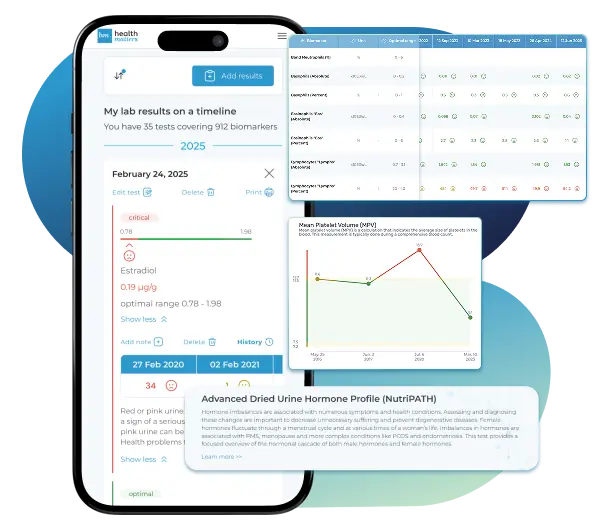
Import lab results from multiple providers, track changes over time, customize your reference ranges, and get clear explanations for each result. Everything is stored securely, exportable in one organized file, and shareable with your doctor—or anyone you choose.
Cancel or upgrade anytime
Article Review & Sources
All our content is backed by peer-reviewed studies, academic research, and trusted medical sources. We're committed to accuracy and transparency — see our editorial policy for details.
Laboratories
Bring All Your Lab Results Together — In One Place
We accept reports from any lab, so you can easily collect and organize all your health information in one secure spot.











Pricing Table
Gather Your Lab History — and Finally Make Sense of It
Finally, Your Lab Results Organized and Clear

Personal plans

$79/ year
Advanced Plan
Access your lab reports, explanations, and tracking tools.
- Import lab results from any provider
- Track all results with visual tools
- Customize your reference ranges
- Export your full lab history anytime
- Share results securely with anyone
- Receive 5 reports entered for you
- Cancel or upgrade anytime
$250/ once
Unlimited Account
Pay once, access everything—no monthly fees, no limits.
- Import lab results from any provider
- Track all results with visual tools
- Customize your reference ranges
- Export your full lab history anytime
- Share results securely with anyone
- Receive 10 reports entered for you
- No subscriptions. No extra fees.
$45/ month
Pro Monthly
Designed for professionals managing their clients' lab reports
- Import lab results from any provider
- Track lab results for multiple clients
- Customize reference ranges per client
- Export lab histories and reports
- Begin with first report entered by us
- Cancel or upgrade anytime
About membership
What's included in a Healthmatters membership
 Import Lab Results from Any Source
 See Your Health Timeline
 Understand What Your Results Mean

 Visualize Your Results

 Data Entry Service for Your Reports
 Securely Share With Anyone You Trust
Let Your Lab Results Tell the Full Story
Once your results are in one place, see the bigger picture — track trends over time, compare data side by side, export your full history, and share securely with anyone you trust.




Bring all your results together to compare, track progress, export your history, and share securely.
What Healthmatters Members Are Saying

I have been using Healthmatters.io since 2021. I travel all over the world and use different doctors and health facilities. This site has allowed me to consolidate all my various test results over 14 years in one place. And every doctor that I show this to has been impressed. Because with any health professional I talk to, I can pull up historical results in seconds. It is invaluable. Even going back to the same doctor, they usually do not have the historical results from their facility in a graph format. That has been very helpful.
Anthony
Unlimited Plan Member since 2021
What fantastic service and great, easy-to-follow layouts! I love your website; it makes it so helpful to see patterns in my health data. It's truly a pleasure to use. I only wish the NHS was as organized and quick as Healthmatters.io. You've set a new standard for health tracking!
Karin
Advanced Plan Member since 2020
As a PRO member and medical practitioner, Healthmatters.io has been an invaluable tool for tracking my clients' data. The layout is intuitive, making it easy to monitor trends and spot patterns over time. The ability to customize reports and charts helps me present information clearly to my clients, improving communication and outcomes. It's streamlined my workflow, saving me time and providing insights at a glance. Highly recommended for any practitioner looking for a comprehensive and user-friendly solution to track patient labs!
Paul
Healthmatters Pro Member since 2024

We implement proven measures to keep your data safe.
At HealthMatters, we're committed to maintaining the security and confidentiality of your personal information. We've put industry-leading security standards in place to help protect against the loss, misuse, or alteration of the information under our control. We use procedural, physical, and electronic security methods designed to prevent unauthorized people from getting access to this information. Our internal code of conduct adds additional privacy protection. All data is backed up multiple times a day and encrypted using SSL certificates. See our Privacy Policy for more details.