
 Optimal Result:
20 - 40 %.
Optimal Result:
20 - 40 %.

The % Lymphocyte is the proportion of white blood cells that are lymphocytes, an essential type of immune cell circulating in your bloodstream. Lymphocytes are key players in the adaptive immune system and include T cells, B cells, and natural killer (NK) cells, each critical to identifying and responding to infections, cancer cells, and other foreign threats.
Unlike a basic complete blood count (CBC), which may simply report a lymphocyte proportion, advanced immunophenotyping panels such as The Lymphocyte MAP™ provide deeper insight into immune function patterns at the cellular level, aiding clinicians in evaluating immune balance, immune deficiencies, chronic inflammation, autoimmunity, hypersensitivities, and more.
The lymphocyte percentage is typically expressed as a percentage of total white blood cells (WBCs). In healthy adults, lymphocytes usually make up about 20–40% of WBCs, though ranges can vary slightly across laboratories and populations.
Abnormal lymphocyte percentages may reflect shifts in immune activity:
-
High % Lymphocyte (lymphocytosis) may occur with viral infections, chronic inflammatory conditions, or certain hematologic disorders such as lymphocytic leukemia.
-
Low % Lymphocyte (lymphocytopenia) may be seen in acute stress responses, immunodeficiency, corticosteroid use, or advanced chronic illness.
Interpreting % Lymphocyte values in context with other immune markers (e.g., CD4, CD8, NK subsets) and clinical history provides a more complete picture of immune system status and helps guide diagnosis, monitoring, and personalized treatment strategies.
Lab Results Explained and Tracked
What does it mean if your % Lymphocyte result is too high?
An elevated % Lymphocyte level, also called lymphocytosis, indicates that lymphocytes make up a higher-than-expected proportion of the total white blood cell (WBC) count. This pattern most often reflects immune system activation, such as during infections, inflammation, or immune dysregulation.
Lymphocytosis may be temporary and benign, especially during or after infections. However, persistently elevated levels can signal chronic immune activation, autoimmune disease, or hematologic conditions and should be evaluated in clinical context.
Common Causes of Elevated % Lymphocytes
1. Acute and Chronic Infections
Viral infections (most common):
Epstein–Barr virus (EBV), cytomegalovirus (CMV), influenza, measles, rubella, hepatitis B or C, HIV, and COVID-19.
Lymphocytes expand as part of the adaptive immune response to viral replication.
Bacterial infections:
Certain infections such as pertussis (whooping cough) or tuberculosis may also cause lymphocytosis.
Parasitic infections:
Conditions such as toxoplasmosis can increase lymphocyte proportions.
2. Autoimmune and Chronic Inflammatory Conditions
Examples include:
-
Rheumatoid arthritis
-
Systemic lupus erythematosus (SLE)
-
Inflammatory bowel disease (IBD)
Chronic immune stimulation leads to sustained lymphocyte activation and expansion.
3. Hematologic Disorders (Leukemia and Lymphoma)
Conditions such as chronic lymphocytic leukemia (CLL) or certain lymphomas involve abnormal lymphocyte proliferation. These should be suspected when lymphocytosis is marked, persistent, or accompanied by abnormal cell morphology on a blood smear.
4. Allergic and Hypersensitivity Responses
Allergic diseases (e.g., asthma, eczema, hypersensitivity reactions) may raise lymphocyte percentages as part of an overactive immune response.
5. Post-Infectious Immune Recovery
Lymphocyte levels may remain elevated for weeks after an acute infection as the immune system clears residual antigens and establishes immune memory.
6. Physical or Psychological Stress
Severe illness, intense physical training, or psychological stress can temporarily alter white blood cell distributions, including lymphocyte percentage.
7. Splenectomy
Removal of the spleen reduces lymphocyte clearance from circulation, potentially resulting in elevated lymphocyte percentages.
Symptoms That May Accompany Elevated % Lymphocytes
Symptoms depend on the underlying cause and may include:
-
Infection-related: fever, fatigue, sore throat, swollen lymph nodes
-
Autoimmune/inflammatory: joint pain, rashes, persistent inflammation
-
Hematologic: unexplained weight loss, night sweats, easy bruising, prolonged fatigue
-
Allergic: itching, respiratory symptoms, eczema
Clinical Interpretation of Elevated % Lymphocytes
Active Immune Response
Most commonly reflects the immune system responding to infections, allergens, or antigens.
Chronic Immune Activation
Persistent elevation may indicate unresolved infection, autoimmune disease, or chronic inflammation.
Possible Malignancy
A sustained and significant increase—especially with abnormal cells—may raise concern for leukemia or lymphoma and warrants specialist evaluation.
Important Diagnostic Considerations
-
Absolute Lymphocyte Count (ALC):
% Lymphocyte should always be interpreted alongside the absolute lymphocyte count, as a high percentage may occur even when absolute numbers are normal. -
Peripheral Blood Smear:
Helps identify abnormal lymphocyte morphology suggestive of hematologic disorders. -
Additional Immune Markers:
Infection-specific tests (e.g., EBV, CMV), inflammatory markers (CRP, ESR), or autoimmune markers (ANA) may help clarify the cause.
How Elevated % Lymphocytes Are Addressed
Treat the Underlying Cause
-
Infections: appropriate antiviral, antibacterial, or antiparasitic treatment
-
Autoimmune disease: immunomodulatory or anti-inflammatory therapies
-
Hematologic conditions: hematology referral and targeted treatment
Support Immune Regulation
-
Adequate nutrition (omega-3s, vitamin D, zinc)
-
Gut health support (fiber, probiotics where appropriate)
Monitor Trends
-
Persistent lymphocytosis should be followed over time rather than judged from a single result.
Manage Stress
-
Stress-reduction strategies (sleep, moderate exercise, mindfulness) may help normalize immune signaling.
Why Elevated % Lymphocytes Matter
An elevated % Lymphocyte reflects how actively the immune system is responding to internal or external stimuli. While short-term increases are often normal, persistent or unexplained lymphocytosis can indicate chronic immune dysregulation, autoimmune disease, or hematologic malignancy. Identifying the underlying cause is essential for appropriate management and long-term immune health.

All Your Lab Results.
One Simple Dashboard.
Import, Track, and Share Your Lab Results Easily
Import, Track, and Share Your Lab Results
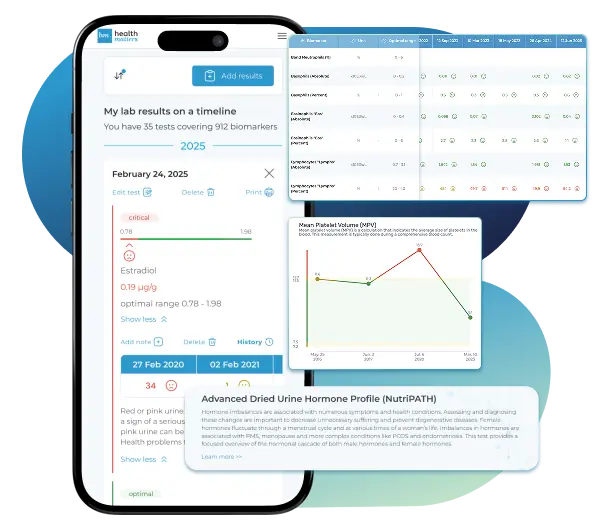
Import lab results from multiple providers, track changes over time, customize your reference ranges, and get clear explanations for each result. Everything is stored securely, exportable in one organized file, and shareable with your doctor—or anyone you choose.
Cancel or upgrade anytime
What does it mean if your % Lymphocyte result is too low?
A low % Lymphocyte level, also known as lymphocytopenia, indicates that lymphocytes make up a lower-than-expected proportion of the total white blood cell (WBC) count. This pattern often reflects immune suppression, acute stress responses, or redistribution of immune cells, rather than an isolated immune disorder.
Low lymphocyte percentages may be temporary, especially during acute illness or stress. However, persistent or severe reductions can suggest underlying immune dysfunction or chronic disease and should be evaluated in context.
Common Causes of Low % Lymphocytes
1. Acute Stress or Illness
Severe physical stress, trauma, surgery, or acute infections can temporarily shift white blood cell populations, lowering the relative proportion of lymphocytes.
2. Corticosteroid Use and Immunosuppressive Medications
Medications such as corticosteroids, chemotherapy agents, or other immunosuppressive therapies can reduce circulating lymphocyte levels by suppressing production or promoting redistribution.
3. Viral Infections (Early or Severe Stages)
Some viral infections—including influenza, COVID-19, HIV, and hepatitis—may cause lymphocyte depletion during early or severe phases before immune recovery occurs.
4. Autoimmune and Chronic Inflammatory Conditions
In certain autoimmune diseases, lymphocytes may migrate from the bloodstream into tissues, resulting in lower circulating percentages despite active immune involvement.
5. Bone Marrow Suppression or Failure
Conditions that impair bone marrow function can reduce lymphocyte production, including:
-
Aplastic anemia
-
Myelodysplastic syndromes
-
Advanced malignancy
-
Effects of radiation or cytotoxic drugs
6. Nutritional Deficiencies
Deficiencies in nutrients essential for immune cell production—such as protein, zinc, folate, or vitamin B12—can contribute to lymphocytopenia.
7. Primary or Secondary Immunodeficiency
Inherited or acquired immunodeficiency states may result in chronically low lymphocyte levels, increasing susceptibility to infections.
Symptoms That May Accompany Low % Lymphocytes
Symptoms depend on the underlying cause and may include:
-
Frequent or recurrent infections
-
Prolonged illness or slow recovery
-
Fatigue or weakness
-
Unexplained weight loss
-
Poor wound healing
Mild lymphocytopenia may cause no noticeable symptoms and be detected only through lab testing.
Clinical Interpretation of Low % Lymphocytes
Transient Immune Redistribution
Temporary decreases are often seen during acute illness, stress, or medication exposure and may normalize without intervention.
Immune Suppression
Persistent reductions may indicate impaired immune surveillance or reduced lymphocyte production.
Increased Infection Risk
Severely low lymphocyte levels can compromise the body’s ability to mount effective immune responses.
Important Diagnostic Considerations
-
Absolute Lymphocyte Count (ALC):
A low percentage does not always mean a low total lymphocyte count. Interpreting % Lymphocyte alongside the absolute lymphocyte count is essential. -
Other White Blood Cell Subsets:
Elevated neutrophils or other leukocytes can lower the lymphocyte percentage without true lymphocyte deficiency. -
Additional Immune Testing:
Subset analysis (e.g., T cells, B cells, NK cells) and functional immune testing may be recommended for persistent or unexplained lymphocytopenia.
How Low % Lymphocytes Are Addressed
Identify and Treat Underlying Causes
-
Review medications that may suppress immune function
-
Treat infections or inflammatory conditions
-
Address bone marrow or systemic disease if present
Support Immune Function
-
Ensure adequate nutrition (protein, zinc, B vitamins)
-
Address sleep, stress, and recovery
-
Manage chronic inflammatory conditions appropriately
Monitor Over Time
-
Repeat testing helps determine whether lymphocytopenia is transient or persistent.
Why Low % Lymphocytes Matter
A low % Lymphocyte can reflect temporary immune redistribution or more sustained immune suppression. While mild or short-term decreases are often benign, persistent lymphocytopenia may increase infection risk and signal underlying immune, nutritional, or bone marrow-related conditions. Proper interpretation helps guide further evaluation and immune support strategies.
Article Review & Sources
All our content is backed by peer-reviewed studies, academic research, and trusted medical sources. We're committed to accuracy and transparency — see our editorial policy for details.
Laboratories
Bring All Your Lab Results Together — In One Place
We accept reports from any lab, so you can easily collect and organize all your health information in one secure spot.











Pricing Table
Gather Your Lab History — and Finally Make Sense of It
Finally, Your Lab Results Organized and Clear

Personal plans

$79/ year
Advanced Plan
Access your lab reports, explanations, and tracking tools.
- Import lab results from any provider
- Track all results with visual tools
- Customize your reference ranges
- Export your full lab history anytime
- Share results securely with anyone
- Receive 5 reports entered for you
- Cancel or upgrade anytime
$250/ once
Unlimited Account
Pay once, access everything—no monthly fees, no limits.
- Import lab results from any provider
- Track all results with visual tools
- Customize your reference ranges
- Export your full lab history anytime
- Share results securely with anyone
- Receive 10 reports entered for you
- No subscriptions. No extra fees.
$45/ month
Pro Monthly
Designed for professionals managing their clients' lab reports
- Import lab results from any provider
- Track lab results for multiple clients
- Customize reference ranges per client
- Export lab histories and reports
- Begin with first report entered by us
- Cancel or upgrade anytime
About membership
What's included in a Healthmatters membership
 Import Lab Results from Any Source
 See Your Health Timeline
 Understand What Your Results Mean

 Visualize Your Results

 Data Entry Service for Your Reports
 Securely Share With Anyone You Trust
Let Your Lab Results Tell the Full Story
Once your results are in one place, see the bigger picture — track trends over time, compare data side by side, export your full history, and share securely with anyone you trust.




Bring all your results together to compare, track progress, export your history, and share securely.
What Healthmatters Members Are Saying

I have been using Healthmatters.io since 2021. I travel all over the world and use different doctors and health facilities. This site has allowed me to consolidate all my various test results over 14 years in one place. And every doctor that I show this to has been impressed. Because with any health professional I talk to, I can pull up historical results in seconds. It is invaluable. Even going back to the same doctor, they usually do not have the historical results from their facility in a graph format. That has been very helpful.
Anthony
Unlimited Plan Member since 2021
What fantastic service and great, easy-to-follow layouts! I love your website; it makes it so helpful to see patterns in my health data. It's truly a pleasure to use. I only wish the NHS was as organized and quick as Healthmatters.io. You've set a new standard for health tracking!
Karin
Advanced Plan Member since 2020
As a PRO member and medical practitioner, Healthmatters.io has been an invaluable tool for tracking my clients' data. The layout is intuitive, making it easy to monitor trends and spot patterns over time. The ability to customize reports and charts helps me present information clearly to my clients, improving communication and outcomes. It's streamlined my workflow, saving me time and providing insights at a glance. Highly recommended for any practitioner looking for a comprehensive and user-friendly solution to track patient labs!
Paul
Healthmatters Pro Member since 2024

We implement proven measures to keep your data safe.
At HealthMatters, we're committed to maintaining the security and confidentiality of your personal information. We've put industry-leading security standards in place to help protect against the loss, misuse, or alteration of the information under our control. We use procedural, physical, and electronic security methods designed to prevent unauthorized people from getting access to this information. Our internal code of conduct adds additional privacy protection. All data is backed up multiple times a day and encrypted using SSL certificates. See our Privacy Policy for more details.