
Tetrachloroethylene IgM
 Optimal Result:
0.1 - 2.1 ELISA Index.
Optimal Result:
0.1 - 2.1 ELISA Index.

Tetrachloroethylene (PCE) Overview
Tetrachloroethylene (PCE) [Cl2C=CCl2] is a chemical widely used in the dry cleaning of clothes and fabrics and in metal degreasing. It is also a prevalent drinking water contaminant.
Contamination and Exposure
In 1980, New England government officials discovered that PCE was leaching into public drinking water supplies from the inner vinyl lining of asbestos cement water distribution pipes. A study conducted on Cape Cod involved 1,658 children whose mothers were exposed to PCE-contaminated drinking water and a comparable group of 2,999 children of unexposed mothers. The results suggest that exposure to PCE around the time of conception increased the risk of certain congenital anomalies among the offspring of exposed women, including:
→ Gastrointestinal defects: Particularly oral clefts, with a 2.2 - 3.5 fold increase in risk.
→ Neural tube defects: Particularly anencephaly, with a 2.5 fold increase in risk.
→ Cardiac anomalies: Modest increases, with a risk three times higher.
Furthermore, analysis of females from the Cape Cod study showed an increased risk of breast cancer after high exposure to PCE. Because PCE is lipid-soluble and women typically have a higher proportion of body fat than men, it is anticipated that women would retain PCE longer. A study by the EPA found that developmental exposure to PCE is common; 100% of samples of breast milk from four U.S. urban areas contained detectable levels of PCE.
Health Effects of Tetrachloroethylene
-
Immunotoxicity: Chronic exposure to PCE, both environmental and occupational, can lead to the development of autoimmunity. This includes conditions such as systemic lupus erythematosus, scleroderma, diabetes, and hepatitis.
-
Acute Exposure: Effects of acute inhalation exposure to PCE in humans include:
- Irritation of the upper respiratory tract and eyes.
- Kidney dysfunction.
- Neurological effects such as reversible mood and behavioral changes, impairment of coordination, dizziness, headache, sleepiness, and unconsciousness.
-
Chronic Exposure: Primary effects from chronic inhalation exposure are neurological, including:
- Impaired cognitive and motor neurobehavioral performance.
- Visual deficits, including deficits in color vision.
- The three primary neurological effects most consistently associated with subchronic or chronic PCE exposure in human studies are vision, visuospatial memory, and neuropsychological function (e.g., reaction time).
-
Other Health Effects: PCE exposure may cause adverse effects on the kidney, liver, immune system, hematologic system, development, and reproduction. It is also considered a carcinogen.
Immune Response and Chemical Intolerance
The detection of antibodies to tetrachloroethylene bound to human protein in serum indicates a breakdown in immunological tolerance and induction of chemical intolerance. Tetrachloroethylene or its metabolites can bind to human tissue proteins and form neo-antigens. These neo-antigens consist of the haptenic chemical plus the tissue antigen, initiating an immune response that may result in antibody production against both the chemical and the human tissue. Continued exposure to the chemical, along with the subsequent production of antibodies against various tissue antigens, may result in autoimmune reactivity. Individuals with antibodies to tetrachloroethylene bound to human protein in serum should avoid exposure to the substance and ensure that their home and work environments are free from contamination.
Common Sources of Tetrachloroethylene
- Spot removers
- Leather products
- Paint removers
- Adhesives
- Water repellents
- Paper coatings
- Dry-cleaned clothes
- Chlorinated water
Lab Results Explained and Tracked
What does it mean if your Tetrachloroethylene IgM result is too high?
Elevated levels of Tetrachloroethylene (PCE) IgM antibodies indicate an immune response to tetrachloroethylene exposure. IgM (Immunoglobulin M) is typically the first antibody produced in response to an antigen, signaling recent or ongoing exposure to a substance that the body perceives as foreign or harmful.
Implications of Elevated PCE IgM Levels:
-
Recent or Ongoing Exposure: Elevated IgM levels suggest that the individual has recently been exposed to tetrachloroethylene, which could be through inhalation, ingestion (e.g., contaminated water), or skin contact. This type of exposure is common in environments where PCE is used, such as dry cleaning facilities, certain industrial processes, or areas with contaminated water supplies.
-
Immune Response Activation: The presence of IgM antibodies indicates that the immune system recognizes tetrachloroethylene or its metabolites as foreign. The immune system may respond by producing antibodies that bind to these chemicals, forming complexes that can be targeted for elimination.
-
Potential Health Concerns:
- Autoimmune Reactions: As discussed previously, tetrachloroethylene can bind to human tissue proteins, creating neo-antigens. The immune system might then produce antibodies against these complexes, potentially leading to autoimmune conditions where the body attacks its own tissues. Elevated PCE IgM could signal the beginning of such an autoimmune process.
- Chemical Intolerance: Elevated IgM levels may indicate the development of sensitivity or intolerance to tetrachloroethylene. Individuals with high IgM levels might experience symptoms upon re-exposure, such as headaches, dizziness, or more severe reactions depending on their level of sensitivity and the extent of exposure.
-
Health Monitoring: Elevated PCE IgM levels can be a biomarker for healthcare providers to monitor an individual's exposure to tetrachloroethylene and the associated health risks. Continued monitoring might be necessary to prevent long-term health issues, especially in occupational settings.
-
Preventive Measures: If elevated PCE IgM levels are detected, it is important for individuals to reduce exposure to tetrachloroethylene. This might involve using personal protective equipment (PPE), improving ventilation in workplaces, or avoiding areas with known contamination.
Elevated levels of Tetrachloroethylene IgM antibodies suggest that the immune system is responding to recent or ongoing exposure to tetrachloroethylene. This response could potentially lead to health concerns, including autoimmune reactions and chemical intolerance. It is crucial for individuals with elevated IgM levels to minimize exposure and seek medical advice for monitoring and preventive measures.

All Your Lab Results.
One Simple Dashboard.
Import, Track, and Share Your Lab Results Easily
Import, Track, and Share Your Lab Results
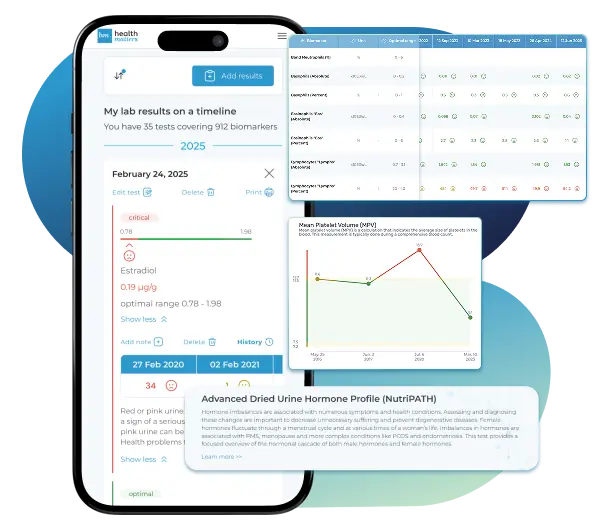
Import lab results from multiple providers, track changes over time, customize your reference ranges, and get clear explanations for each result. Everything is stored securely, exportable in one organized file, and shareable with your doctor—or anyone you choose.
Cancel or upgrade anytime
Article Review & Sources
All our content is backed by peer-reviewed studies, academic research, and trusted medical sources. We're committed to accuracy and transparency — see our editorial policy for details.
Laboratories
Bring All Your Lab Results Together — In One Place
We accept reports from any lab, so you can easily collect and organize all your health information in one secure spot.











Pricing Table
Gather Your Lab History — and Finally Make Sense of It
Finally, Your Lab Results Organized and Clear

Personal plans

$79/ year
Advanced Plan
Access your lab reports, explanations, and tracking tools.
- Import lab results from any provider
- Track all results with visual tools
- Customize your reference ranges
- Export your full lab history anytime
- Share results securely with anyone
- Receive 5 reports entered for you
- Cancel or upgrade anytime
$250/ once
Unlimited Account
Pay once, access everything—no monthly fees, no limits.
- Import lab results from any provider
- Track all results with visual tools
- Customize your reference ranges
- Export your full lab history anytime
- Share results securely with anyone
- Receive 10 reports entered for you
- No subscriptions. No extra fees.
$45/ month
Pro Monthly
Designed for professionals managing their clients' lab reports
- Import lab results from any provider
- Track lab results for multiple clients
- Customize reference ranges per client
- Export lab histories and reports
- Begin with first report entered by us
- Cancel or upgrade anytime
About membership
What's included in a Healthmatters membership
 Import Lab Results from Any Source
 See Your Health Timeline
 Understand What Your Results Mean

 Visualize Your Results

 Data Entry Service for Your Reports
 Securely Share With Anyone You Trust
Let Your Lab Results Tell the Full Story
Once your results are in one place, see the bigger picture — track trends over time, compare data side by side, export your full history, and share securely with anyone you trust.




Bring all your results together to compare, track progress, export your history, and share securely.
What Healthmatters Members Are Saying

I have been using Healthmatters.io since 2021. I travel all over the world and use different doctors and health facilities. This site has allowed me to consolidate all my various test results over 14 years in one place. And every doctor that I show this to has been impressed. Because with any health professional I talk to, I can pull up historical results in seconds. It is invaluable. Even going back to the same doctor, they usually do not have the historical results from their facility in a graph format. That has been very helpful.
Anthony
Unlimited Plan Member since 2021
What fantastic service and great, easy-to-follow layouts! I love your website; it makes it so helpful to see patterns in my health data. It's truly a pleasure to use. I only wish the NHS was as organized and quick as Healthmatters.io. You've set a new standard for health tracking!
Karin
Advanced Plan Member since 2020
As a PRO member and medical practitioner, Healthmatters.io has been an invaluable tool for tracking my clients' data. The layout is intuitive, making it easy to monitor trends and spot patterns over time. The ability to customize reports and charts helps me present information clearly to my clients, improving communication and outcomes. It's streamlined my workflow, saving me time and providing insights at a glance. Highly recommended for any practitioner looking for a comprehensive and user-friendly solution to track patient labs!
Paul
Healthmatters Pro Member since 2024

We implement proven measures to keep your data safe.
At HealthMatters, we're committed to maintaining the security and confidentiality of your personal information. We've put industry-leading security standards in place to help protect against the loss, misuse, or alteration of the information under our control. We use procedural, physical, and electronic security methods designed to prevent unauthorized people from getting access to this information. Our internal code of conduct adds additional privacy protection. All data is backed up multiple times a day and encrypted using SSL certificates. See our Privacy Policy for more details.