
LAD Calcium Score: Normal 0, Moderate 100-400, Dangerous >400
 Reference range:

KEY TAKEAWAYS
- LAD (Left Anterior Descending) artery supplies blood to a large portion of your heart muscle
- Often called the "widowmaker artery" because blockages can cause severe heart attacks
- LAD calcium score of 0 = very low risk, no detectable plaque
- Scores 1-100 = minimal to mild plaque, low to moderate risk
- Scores 100-400 = moderate to high plaque burden, increased cardiovascular risk
- Scores >400 = high risk of heart attack, requires immediate medical evaluation
What Is the LAD Calcium Score?
The LAD (Left Anterior Descending) artery calcium score measures the amount of calcified plaque in one of the most important arteries supplying your heart.
It is part of a coronary artery calcium (CAC) score, which evaluates plaque buildup in four major arteries:
- Left Main (LM)
- Left Anterior Descending (LAD)
- Left Circumflex (LCX)
- Right Coronary Artery (RCA)
The LAD is often called the "widowmaker artery" because blockages here can lead to severe or fatal heart attacks.
A higher LAD calcium score means more plaque buildup and higher risk of coronary artery disease.
LAD Calcium Score Quick Interpretation Guide
| LAD Score | Risk Level | What It Means | Action Needed |
|---|---|---|---|
| 0 | Very Low | No detectable plaque | Maintain healthy lifestyle |
| 1-10 | Minimal | Early plaque formation | Monitor risk factors |
| 11-100 | Low to Moderate | Mild atherosclerosis | Optimize cholesterol, BP, lifestyle |
| 101-400 | Moderate to High | Significant plaque burden | Medical evaluation, preventive treatment |
| >400 | High | Severe plaque, high heart attack risk | Urgent cardiology evaluation |
Important: Even small LAD scores can be clinically significant, especially in younger individuals or those with risk factors like diabetes, smoking, or family history.
Is LAD Calcium Score 0 Normal?
Is LAD Score 0 Good?
Yes, absolutely. A LAD calcium score of 0 means no detectable calcified plaque in your left anterior descending artery.
What it means:
- Very low short-term risk of heart attack
- No visible calcium buildup in this artery
- Excellent baseline for heart health
What to do:
- Maintain healthy lifestyle (diet, exercise, no smoking)
- Continue managing risk factors (cholesterol, blood pressure, diabetes)
- Retest in 3-5 years if you have cardiovascular risk factors
When to worry:
- Even with a score of 0, symptoms like chest pain require immediate evaluation
- Score of 0 doesn't rule out non-calcified (soft) plaque
Is LAD Calcium Score 10 High?
What Does LAD Score 10 Mean?
Mildly elevated. A LAD calcium score of 10 indicates minimal calcified plaque in your left anterior descending artery.
What it means:
- Early signs of atherosclerosis
- Low cardiovascular risk in the short term
- Plaque is present but burden is minimal
Common causes:
- Age-related changes
- Elevated LDL cholesterol over time
- High blood pressure
- Smoking history
- Family history of heart disease
What to do:
- Focus on lifestyle optimization (diet, exercise, stress management)
- Work with your doctor to lower LDL cholesterol (often with statins)
- Control blood pressure and blood sugar
- Stop smoking if applicable
- Retest in 3-5 years to monitor progression
When to worry:
- Rapidly increasing scores on repeat testing
- Development of chest pain or other cardiac symptoms
Is LAD Calcium Score 100 High?
What Does LAD Score 100 Mean?
Yes, moderately high. A LAD calcium score of 100 indicates moderate calcified plaque buildup and increased cardiovascular risk.
What it means:
- Moderate atherosclerosis present
- 10-year cardiovascular event risk is elevated
- Preventive treatment usually recommended
Common causes:
- Chronic high LDL cholesterol
- Poorly controlled blood pressure
- Diabetes or insulin resistance
- Long-term smoking
- Sedentary lifestyle
What to do:
- See a cardiologist for risk assessment
- Start or optimize statin therapy (cholesterol-lowering medication)
- Consider aspirin therapy (discuss with doctor)
- Aggressive lifestyle changes (Mediterranean diet, regular exercise)
- Strict blood pressure and diabetes control
- Retest in 3-5 years or sooner if symptoms develop
When to worry:
- Chest pain, shortness of breath, or other cardiac symptoms
- Rapidly increasing scores (>15% per year)
- Multiple risk factors (diabetes + smoking + family history)
Is LAD Calcium Score 200 High?
What Does LAD Score 200 Mean?
Yes, significantly high. A LAD calcium score of 200 indicates significant plaque burden with elevated heart attack risk.
What it means:
- Moderate to high atherosclerosis
- Increased 10-year risk of heart attack or cardiac event
- Medical intervention strongly recommended
What to do:
- Urgent cardiology evaluation (within 1-2 weeks)
- High-intensity statin therapy
- Aspirin therapy (if not contraindicated)
- Consider additional testing (stress test, CT angiography)
- Aggressive blood pressure and diabetes control
- Comprehensive lifestyle changes (diet, exercise, smoking cessation)
When to worry:
- Any chest pain, pressure, or discomfort
- Shortness of breath with exertion
- Unexplained fatigue or dizziness
Is LAD Calcium Score 400 Dangerous?
What Does LAD Score 400+ Mean?
Yes, very high risk. A LAD calcium score above 400 indicates severe plaque burden and high risk of major cardiac events.
What it means:
- Severe atherosclerosis
- High 10-year risk of heart attack (>20%)
- Immediate medical evaluation required
What to do:
- See a cardiologist immediately (within days)
- Advanced cardiac testing (stress test, CT angiography, or cardiac catheterization)
- Maximum medical therapy (high-intensity statins, aspirin, blood pressure medications)
- Consider revascularization (stent or bypass surgery) if blockages are severe
- Cardiac rehabilitation program
- Very strict risk factor control
Red flags requiring emergency care:
- Chest pain or pressure
- Pain radiating to arm, jaw, or back
- Shortness of breath
- Nausea, sweating, or lightheadedness with chest discomfort
What Does High LAD Calcium Score Mean?
High LAD calcium scores indicate significant calcified plaque in the left anterior descending artery.
Levels and Meaning:
LAD Score 100-300:
- Moderate plaque burden
- 2-3x increased cardiovascular risk
- Preventive treatment recommended
LAD Score 300-400:
- High plaque burden
- 5-10x increased cardiovascular risk
- Aggressive treatment needed
LAD Score >400:
- Very high plaque burden
-
10x increased cardiovascular risk
- Urgent cardiology evaluation
Common Causes of High LAD Calcium:
- High LDL cholesterol (especially over many years)
- Smoking or tobacco use
- High blood pressure
- Diabetes or prediabetes
- Chronic inflammation
- Family history of early heart disease
- Sedentary lifestyle
- Poor diet (high saturated fat, processed foods)
What Does "Normal" LAD Score Mean?
What Is a Normal LAD Calcium Score?
A score of 0 is the only truly "normal" LAD calcium score. This means no detectable calcified plaque in the left anterior descending artery.
Age-adjusted context:
- Under 40: Score of 0 expected
- Age 40-50: Score 0-10 generally considered low risk
- Age 50-60: Score 0-100 may be considered acceptable depending on other risk factors
- Over 60: Higher scores more common, but 0 still ideal
Important: Even "age-appropriate" scores above 0 indicate plaque is present and cardiovascular risk is elevated compared to someone with a score of 0.
What LAD Calcium Score Is Dangerous?
When Should You Worry About Your LAD Score?
Immediately concerning scores:
- >400: Very high risk, urgent evaluation needed
- >300 + symptoms: Chest pain, shortness of breath require emergency care
- Rapid progression: Scores increasing >15% per year
Moderately concerning:
- 100-400: Increased risk, medical treatment recommended
- Any score + cardiac symptoms: Don't wait for testing, seek medical care
Lower risk but monitor:
- 10-100: Mild plaque, optimize lifestyle and risk factors
- 0: Continue prevention, retest in 3-5 years if at risk
Red Flag Patterns:
| Pattern | Risk Level | Action |
|---|---|---|
| LAD >400 + chest pain | EMERGENCY | Call 911 or go to ER |
| LAD >300 + diabetes + smoking | Very High | Urgent cardiology visit |
| LAD 100-300 + family history | High | Cardiology within 1-2 weeks |
| LAD rapidly increasing (>15%/year) | High | Cardiology evaluation, intensify treatment |
Why the LAD Artery Is Called the "Widowmaker"
The LAD artery supplies blood to:
- Front wall of the left ventricle (main pumping chamber)
- The interventricular septum (wall between ventricles)
- Up to 50% of the heart muscle
Why it's dangerous:
- Complete blockage causes massive heart attack
- Large area of heart muscle is affected
- Can cause sudden cardiac arrest
- Historically associated with high mortality before modern treatment
Modern outcomes: With prompt treatment (stenting, bypass surgery), survival rates have improved significantly. However, LAD blockages remain serious and require immediate medical attention.
LAD vs Other Coronary Arteries
How LAD Compares to Other Arteries:
| Artery | Supplies | Clinical Significance |
|---|---|---|
| LAD | 40-50% of heart muscle | Highest risk, "widowmaker" |
| RCA (Right Coronary) | 30-40% of heart muscle | High risk, especially if dominant |
| LCX (Left Circumflex) | 20-30% of heart muscle | Moderate to high risk |
| LM (Left Main) | Splits into LAD + LCX | Extremely high risk if blocked |
Key point: While all coronary arteries are important, LAD blockages typically affect the largest portion of heart muscle and carry the highest risk.
What Causes Calcium Buildup in the LAD?
Calcium in the LAD artery is caused by atherosclerosis, where plaque builds up in artery walls over time.
Major Contributors:
Cholesterol-related:
- High LDL ("bad") cholesterol
- Low HDL ("good") cholesterol
- High triglycerides
- Chronic inflammation
Metabolic factors:
- Diabetes or insulin resistance
- Metabolic syndrome
- Obesity
Lifestyle factors:
- Smoking or tobacco use
- Sedentary lifestyle
- Poor diet (high saturated fat, processed foods, excess sugar)
- Chronic stress
Other risk factors:
- High blood pressure
- Family history of early heart disease
- Chronic kidney disease
- Age (risk increases over time)
How to Lower Your LAD Calcium Score Risk
Can LAD Calcium Be Reversed?
Calcified plaque cannot be removed or reversed. However, progression can be slowed or stopped, and cardiovascular risk can be significantly reduced.
Proven Strategies to Slow Progression:
Medications:
- Statins (atorvastatin, rosuvastatin) - most effective for slowing progression
- Aspirin (if recommended by your doctor)
- Blood pressure medications (ACE inhibitors, ARBs)
- Diabetes medications (metformin, SGLT2 inhibitors, GLP-1 agonists)
Lifestyle changes:
- Mediterranean or plant-based diet
- Regular exercise (150 minutes moderate activity per week)
- Stop smoking (single most important intervention)
- Maintain healthy weight (BMI 18.5-24.9)
- Manage stress (meditation, yoga, adequate sleep)
- Limit alcohol (≤1 drink/day for women, ≤2 for men)
Medical monitoring:
- Regular follow-up with cardiologist
- Optimize LDL cholesterol (<70 mg/dL, or <55 mg/dL for very high risk)
- Control blood pressure (<130/80 mmHg)
- Manage diabetes (HbA1c <7%)
When to Retest Your LAD Calcium Score
How Often Should You Repeat a Calcium Score Test?
General guidelines:
- Score 0: Retest in 5 years (or 3 years if high risk)
- Score 1-100: Retest in 3-5 years
- Score 100-400: Retest in 2-3 years or as directed by cardiologist
- Score >400: Focus on treatment; repeat testing usually not needed unless symptoms change
Reasons to retest sooner:
- Development of new symptoms (chest pain, shortness of breath)
- Significant change in risk factors
- Poor medication adherence or lifestyle
- Family history of early progression
Note: Repeat calcium scoring is debated in medical literature. Some cardiologists prefer functional testing (stress tests) for follow-up rather than repeat calcium scoring.
FAQ about Left Anterior Descending (LAD)
-
What is LAD in a calcium score?
LAD stands for Left Anterior Descending artery, one of the main coronary arteries supplying blood to the front wall of your heart. It's often reported separately in calcium score tests because blockages in the LAD are particularly dangerous. -
Is LAD the widowmaker artery?
Yes. The LAD is often called the "widowmaker" because complete blockages here can cause massive heart attacks affecting a large portion of the heart muscle, which can be fatal if not treated immediately. -
What is a normal LAD calcium score?
A score of 0 is considered normal and ideal. It means no detectable calcified plaque in the LAD artery. Any score above 0 indicates some degree of plaque buildup. -
What is a good LAD calcium score?
A score of 0 is best. Scores of 1-10 are considered minimal plaque and generally low risk, though they still indicate early atherosclerosis that should be monitored. -
Is a LAD score of 100 high?
Yes. A score of 100 indicates moderate plaque buildup and increased cardiovascular risk. It typically warrants statin therapy and aggressive lifestyle modification to prevent progression. -
What is a dangerous LAD calcium score?
Scores above 300-400 are considered high risk and strongly associated with future cardiac events. Scores above 400 require urgent cardiology evaluation and aggressive treatment. -
Does a high LAD score mean blocked arteries?
Not necessarily. A calcium score measures plaque burden, not the degree of artery narrowing. You can have high calcium with minimal blockage, or significant blockage with little calcium. Further testing (stress test or CT angiography) is needed to assess actual blockages. -
Is LAD calcification the same as a blockage?
No. Calcification shows plaque in the artery wall but doesn't indicate how much the artery is narrowed or blocked. Calcium scoring and functional testing (like stress tests) answer different questions. -
Can LAD calcification be reversed?
Calcified plaque cannot be removed or reversed. However, progression can be slowed or stabilized with intensive statin therapy, lifestyle changes, and blood pressure control. The goal is to prevent further plaque buildup and stabilize existing plaque. -
How often should I repeat my LAD calcium score test?
Most doctors recommend repeating every 3-5 years if your initial score is low (0-100). Scores of 100-400 may warrant repeat testing in 2-3 years. Scores >400 typically don't need repeat calcium scoring but may require other cardiac testing. -
At what percentage of LAD blockage is dangerous?
A blockage of 70% or more in the LAD is considered severe and often requires intervention (stenting or bypass surgery). Even 50-70% blockage may be treated if causing symptoms or significant ischemia on stress testing. -
Can I have a high LAD score with no symptoms?
Yes, very common. Most people with elevated calcium scores have no symptoms. This is why calcium scoring is valuable — it detects silent atherosclerosis before symptoms develop, allowing for preventive treatment. -
What causes high calcium in LAD artery?
LAD calcification is caused by atherosclerosis — plaque buildup in the artery walls. Risk factors include high LDL cholesterol, smoking, high blood pressure, diabetes, family history, sedentary lifestyle, and chronic inflammation. -
Should I worry if my LAD score is higher than other arteries?
It depends on the absolute score. The LAD supplies a large portion of the heart, so disease here is taken seriously. However, calcium in any major artery requires attention. Total calcium score and distribution across all arteries both matter. -
What happens if my LAD calcium score keeps increasing?
Rapid progression (>20-30% per year or >50 points/year) suggests active atherosclerosis and warrants more aggressive treatment — higher statin doses, additional medications (PCSK9 inhibitors, ezetimibe), and possibly functional cardiac testing.
Lab Results Explained and Tracked
Related Health Conditions

All Your Lab Results.
One Simple Dashboard.
Import, Track, and Share Your Lab Results Easily
Import, Track, and Share Your Lab Results
Import lab results from multiple providers, track changes over time, customize your reference ranges, and get clear explanations for each result. Everything is stored securely, exportable in one organized file, and shareable with your doctor—or anyone you choose.
Cancel or upgrade anytime
Related Biomarkers
Article Review & Sources
All our content is backed by peer-reviewed studies, academic research, and trusted medical sources. We're committed to accuracy and transparency — see our editorial policy for details.
Laboratories
Bring All Your Lab Results Together — In One Place
We accept reports from any lab, so you can easily collect and organize all your health information in one secure spot.











Pricing Table
Gather Your Lab History — and Finally Make Sense of It
Finally, Your Lab Results Organized and Clear

Personal plans

$79/ year
Advanced Plan
Access your lab reports, explanations, and tracking tools.
- Import lab results from any provider
- Track all results with visual tools
- Customize your reference ranges
- Export your full lab history anytime
- Share results securely with anyone
- Receive 5 reports entered for you
- Cancel or upgrade anytime
$250/ once
Unlimited Account
Pay once, access everything—no monthly fees, no limits.
- Import lab results from any provider
- Track all results with visual tools
- Customize your reference ranges
- Export your full lab history anytime
- Share results securely with anyone
- Receive 10 reports entered for you
- No subscriptions. No extra fees.
$45/ month
Pro Monthly
Designed for professionals managing their clients' lab reports
- Import lab results from any provider
- Track lab results for multiple clients
- Customize reference ranges per client
- Export lab histories and reports
- Begin with first report entered by us
- Cancel or upgrade anytime
About membership
What's included in a Healthmatters membership
 Import Lab Results from Any Source
 See Your Health Timeline
 Understand What Your Results Mean

 Visualize Your Results

 Data Entry Service for Your Reports
 Securely Share With Anyone You Trust
Let Your Lab Results Tell the Full Story
Once your results are in one place, see the bigger picture — track trends over time, compare data side by side, export your full history, and share securely with anyone you trust.




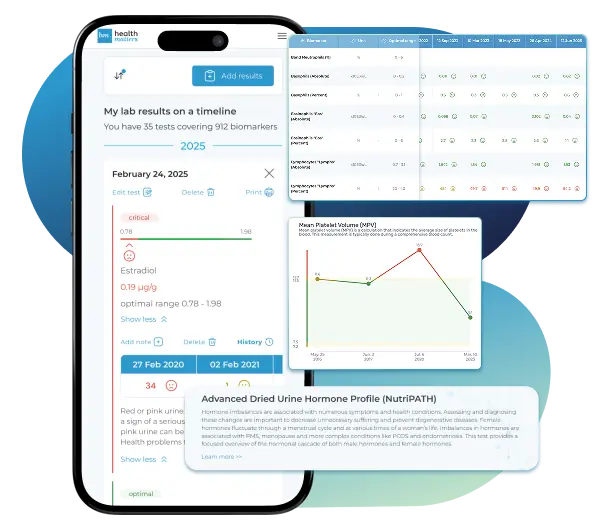
Bring all your results together to compare, track progress, export your history, and share securely.
What Healthmatters Members Are Saying

I have been using Healthmatters.io since 2021. I travel all over the world and use different doctors and health facilities. This site has allowed me to consolidate all my various test results over 14 years in one place. And every doctor that I show this to has been impressed. Because with any health professional I talk to, I can pull up historical results in seconds. It is invaluable. Even going back to the same doctor, they usually do not have the historical results from their facility in a graph format. That has been very helpful.
Anthony
Unlimited Plan Member since 2021
What fantastic service and great, easy-to-follow layouts! I love your website; it makes it so helpful to see patterns in my health data. It's truly a pleasure to use. I only wish the NHS was as organized and quick as Healthmatters.io. You've set a new standard for health tracking!
Karin
Advanced Plan Member since 2020
As a PRO member and medical practitioner, Healthmatters.io has been an invaluable tool for tracking my clients' data. The layout is intuitive, making it easy to monitor trends and spot patterns over time. The ability to customize reports and charts helps me present information clearly to my clients, improving communication and outcomes. It's streamlined my workflow, saving me time and providing insights at a glance. Highly recommended for any practitioner looking for a comprehensive and user-friendly solution to track patient labs!
Paul
Healthmatters Pro Member since 2024

We implement proven measures to keep your data safe.
At HealthMatters, we're committed to maintaining the security and confidentiality of your personal information. We've put industry-leading security standards in place to help protect against the loss, misuse, or alteration of the information under our control. We use procedural, physical, and electronic security methods designed to prevent unauthorized people from getting access to this information. Our internal code of conduct adds additional privacy protection. All data is backed up multiple times a day and encrypted using SSL certificates. See our Privacy Policy for more details.