
 Optimal Result:
60 - 130 µg/dL,
9.18 - 19.89 µmol/L,
or
600 - 1300 ug/L.
Optimal Result:
60 - 130 µg/dL,
9.18 - 19.89 µmol/L,
or
600 - 1300 ug/L.

Zinc is a nutrient that we need to stay healthy. Zinc is found in cells throughout the body. It helps the immune system fight off invading bacteria and viruses. The body also needs zinc to make proteins and DNA. During pregnancy, infancy, and childhood the body needs zinc to grow and develop properly. Zinc also helps wounds to heal and is important for proper senses of taste and smell. Zinc blood tests are primarily ordered to help detect iron deficiency in children and to detect and monitor chronic exposure to lead in adults, as zinc is involved in the chemical process by which our body carries iron via red blood cells. Signs and symptoms of lead poisoning include:
- High blood pressure
- Numbness / tingling in the hands and feet
- Memory loss, mood disorders
- Weakness
- Abdominal pain
- Headache
For this reason, it is also common to assess zinc levels when iron deficiency is suspected, symptoms include:
- Chronic fatigue, tiredness
- Dizziness
- Weakness
- Headaches
- Pica (cravings for specific substances like chalk, dirt, or clay)
- A burning sensation on the tongue or a smooth tongue
- Sores at the corners of the mouth
- Spoon-shaped fingernails and toenails
Lab Results Explained and Tracked
What does it mean if your Zinc result is too high?
Elevated Zinc Levels in Blood Tests: Understanding the Implications
Zinc is an essential trace element crucial for various bodily functions, including immune response, wound healing, and DNA synthesis. However, excessive zinc levels in the blood can lead to health complications.
Normal vs. Elevated Zinc Levels
Normal serum zinc levels typically range from 60 to 120 μg/dL (9.2-18.4 μmol/L). Levels above this range are considered elevated, a condition known as hyperzincemia.
Common Causes of Elevated Zinc
- Excessive supplementation: The most frequent cause of hyperzincemia.
- High dietary intake: Overconsumption of zinc-rich foods like oysters, red meat, and fortified cereals.
- Occupational exposure: Working in industries such as metalwork or welding.
- Medical conditions: Certain health issues affecting zinc metabolism or absorption.
Symptoms of Zinc Excess
Elevated zinc levels can manifest through various symptoms:
- Nausea and vomiting
- Diarrhea and abdominal pain
- Headaches and fatigue
- Metallic taste in the mouth
Chronic zinc excess can lead to copper deficiency, as zinc competes with copper for absorption. This may result in anemia, neutropenia, and neurological symptoms.
Diagnosis and Testing
Diagnosis typically involves:
- Serum or plasma zinc test
- Copper level assessment
- Complete blood count (to check for anemia)
- Liver and kidney function tests
Treatment Approaches
- Discontinue zinc supplements
- Modify diet to reduce zinc intake
- Treat underlying conditions if present
- In severe cases, chelation therapy may be considered
Correlated Markers
While zinc interacts with several other nutrients, the relationships are complex:
- Copper: Zinc excess can induce copper deficiency
- Iron: High zinc may interfere with iron absorption, but the relationship is dose-dependent
- Alkaline Phosphatase: This enzyme is zinc-dependent, but the relationship with serum zinc is not straightforward
- Magnesium: While there's an interaction, the clinical significance of zinc-magnesium balance is still being studied
Key Takeaways
Elevated zinc levels often result from excessive supplementation or dietary intake. While zinc is essential for health, too much can disrupt mineral balance and lead to adverse effects.

All Your Lab Results.
One Simple Dashboard.
Import, Track, and Share Your Lab Results Easily
Import, Track, and Share Your Lab Results
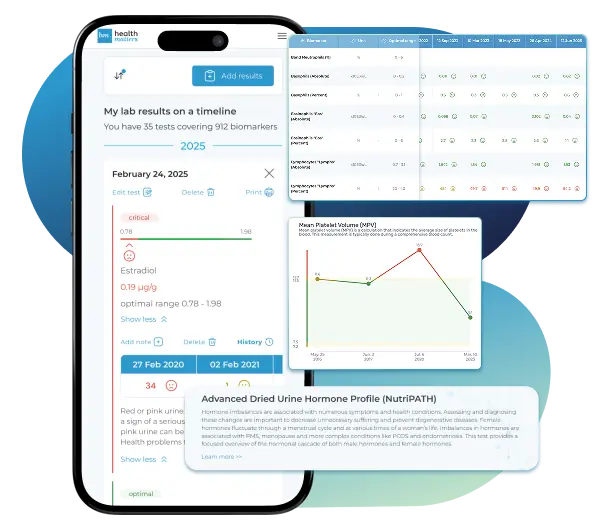
Import lab results from multiple providers, track changes over time, customize your reference ranges, and get clear explanations for each result. Everything is stored securely, exportable in one organized file, and shareable with your doctor—or anyone you choose.
Cancel or upgrade anytime
What does it mean if your Zinc result is too low?
Low zinc serum levels can occur due to a variety of factors. These include:
→ Nutritional issues such as a lack of meat intake, which is a rich source of zinc, or a diet high in phytates from legumes, seeds, soy products, and whole grains, or oxalates from spinach, okra, nuts, and tea, which can inhibit zinc absorption. Reduced dietary intake of zinc overall is the most common cause, along with inadequate absorption, increased loss, or increased usage by the body's systems.
→ Chronic illnesses such as kidney disease, liver disease, and alcohol use disorder, as well as malabsorption issues, can lead to zinc deficiency. Stressful severe acute conditions like sepsis, burns, and head injury can also be contributing factors. Additionally, maternal zinc deficiency may cause fetal malformations and low birth weight.
→ Diseases such as ulcerative colitis, Crohn's disease, regional enteritis (inflammation of your small intestine), sprue (a disorder in which the intestines are unable to absorb nutrients from food), intestinal bypass, and neoplastic disease (condition that causes tumor growth) can result in low serum zinc.
→ Conditions that involve increased catabolism, like the use of anabolic steroids, as well as anorexia and starvation, can also lead to low zinc levels.
Low zinc serum levels can lead to a range of symptoms, which may include:
Unexplained weight loss, wounds that won't heal, a lack of alertness, a decreased sense of smell and taste, diarrhea, loss of appetite, and open sores on the skin.
Growth impairment, sexual dysfunction, inflammation, gastrointestinal symptoms, or skin involvement.
Appetite loss, slower than expected growth, and poor immune system function. Severe zinc deficiency can exacerbate these conditions.
Delayed wound healing, impaired taste, hair loss, fertility issues, and increased susceptibility to infections.
In both children and adults, symptoms can include hair loss (alopecia), weakened immunity, anorexia, dermatitis, night blindness, anemia, lethargy, and again, delayed wound healing. For pregnant women, zinc deficiency can lead to low birth weight and preterm birth.
These symptoms can vary in severity and may be indicative of underlying health issues that are contributing to the deficiency. It is important for individuals experiencing these symptoms to consult healthcare providers for proper diagnosis and treatment.
Related Biomarkers
Article Review & Sources
All our content is backed by peer-reviewed studies, academic research, and trusted medical sources. We're committed to accuracy and transparency — see our editorial policy for details.
Laboratories
Bring All Your Lab Results Together — In One Place
We accept reports from any lab, so you can easily collect and organize all your health information in one secure spot.









Pricing Table
Gather Your Lab History — and Finally Make Sense of It
Finally, Your Lab Results Organized and Clear

Personal plans

$79/ year
Advanced Plan
Access your lab reports, explanations, and tracking tools.
- Import lab results from any provider
- Track all results with visual tools
- Customize your reference ranges
- Export your full lab history anytime
- Share results securely with anyone
- Receive 5 reports entered for you
- Cancel or upgrade anytime
$250/ once
Unlimited Account
Pay once, access everything—no monthly fees, no limits.
- Import lab results from any provider
- Track all results with visual tools
- Customize your reference ranges
- Export your full lab history anytime
- Share results securely with anyone
- Receive 10 reports entered for you
- No subscriptions. No extra fees.
$45/ month
Pro Monthly
Designed for professionals managing their clients' lab reports
- Import lab results from any provider
- Track lab results for multiple clients
- Customize reference ranges per client
- Export lab histories and reports
- Begin with first report entered by us
- Cancel or upgrade anytime
About membership
What's included in a Healthmatters membership
 Import Lab Results from Any Source
 See Your Health Timeline
 Understand What Your Results Mean

 Visualize Your Results

 Data Entry Service for Your Reports
 Securely Share With Anyone You Trust
Let Your Lab Results Tell the Full Story
Once your results are in one place, see the bigger picture — track trends over time, compare data side by side, export your full history, and share securely with anyone you trust.




Bring all your results together to compare, track progress, export your history, and share securely.
What Healthmatters Members Are Saying

I have been using Healthmatters.io since 2021. I travel all over the world and use different doctors and health facilities. This site has allowed me to consolidate all my various test results over 14 years in one place. And every doctor that I show this to has been impressed. Because with any health professional I talk to, I can pull up historical results in seconds. It is invaluable. Even going back to the same doctor, they usually do not have the historical results from their facility in a graph format. That has been very helpful.
Anthony
Unlimited Plan Member since 2021
What fantastic service and great, easy-to-follow layouts! I love your website; it makes it so helpful to see patterns in my health data. It's truly a pleasure to use. I only wish the NHS was as organized and quick as Healthmatters.io. You've set a new standard for health tracking!
Karin
Advanced Plan Member since 2020
As a PRO member and medical practitioner, Healthmatters.io has been an invaluable tool for tracking my clients' data. The layout is intuitive, making it easy to monitor trends and spot patterns over time. The ability to customize reports and charts helps me present information clearly to my clients, improving communication and outcomes. It's streamlined my workflow, saving me time and providing insights at a glance. Highly recommended for any practitioner looking for a comprehensive and user-friendly solution to track patient labs!
Paul
Healthmatters Pro Member since 2024

We implement proven measures to keep your data safe.
At HealthMatters, we're committed to maintaining the security and confidentiality of your personal information. We've put industry-leading security standards in place to help protect against the loss, misuse, or alteration of the information under our control. We use procedural, physical, and electronic security methods designed to prevent unauthorized people from getting access to this information. Our internal code of conduct adds additional privacy protection. All data is backed up multiple times a day and encrypted using SSL certificates. See our Privacy Policy for more details.