
Vitamin E is an important antioxidant that reduces the formation of reactive oxygen species (ROS) that result from fat oxidation.
Vitamin E also regulates cell signaling, influences immune function, and inhibits coagulation.
Vitamin E (WBC)
 Vitamin E (WBC)
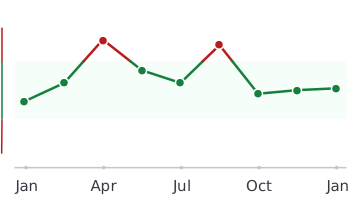
Every lab result you’ve ever had, charted and explained.
Healthmatters is a tracker for your lab results. Upload a report from any lab, any country — every marker charted and explained.
Start with my report →Beyond Vitamin E (WBC) — 10,000+ markers explained
One Vitamin E (WBC) result tells you where you are. Your history tells you where you’re heading. Upload your past lab reports and see this marker — and every marker on them —every marker charted against your own lab’s ranges.
Start with this report →
Clinical Sources & References
All our content is backed by peer-reviewed studies, academic research, and trusted medical sources. We’re committed to accuracy and transparency — see our editorial policy for details.
Article Review Log
Written by
Healthmatters Editorial Team