
Uric Acid
Other names: Uric Acid (Serum), Urate
 Optimal Result:
3.8 - 8.4 mg/dL,
226.02 - 499.63 µmol/L,
or
0.23 - 0.5 mmol/L.
Optimal Result:
3.8 - 8.4 mg/dL,
226.02 - 499.63 µmol/L,
or
0.23 - 0.5 mmol/L.

Uric Acid Blood Test: Normal Range, High vs Low Levels, and What Your Results Mean
Reviewed by HealthMatters Editorial Team · Last updated March 21 2026
Key Takeaways
- Uric acid is a waste product from purine breakdown; excess levels can cause gout and kidney stones
- Normal range: Men 3.4-7.0 mg/dL, Women 2.4-6.0 mg/dL — but optimal may be lower
- High uric acid (>7-8 mg/dL) increases risk of gout, kidney disease, metabolic syndrome, and cardiovascular issues
- Uric acid 8.4 mg/dL is high; uric acid 3.8 mg/dL is normal for most adults
- Lifestyle changes (hydration, diet, weight loss) can lower levels 1-2 mg/dL in 3-6 months
- Silent high uric acid is common — many people have elevated levels before gout symptoms appear
What Is Uric Acid?
Uric acid is a waste product formed when your body breaks down purines—compounds found naturally in your cells and in certain foods. Normally, uric acid dissolves in the blood, passes through the kidneys, and is excreted in urine.
However, when your body produces too much uric acid or your kidneys do not remove enough, levels can build up in the bloodstream. This is known as hyperuricemia.
While uric acid is most commonly linked to gout, elevated levels are also associated with kidney disease, metabolic dysfunction, insulin resistance, and cardiovascular risk.
Is Your Uric Acid Level Normal?
Typical reference ranges:
-
Men: 3.4 to 7.0 mg/dL
-
Women: 2.4 to 6.0 mg/dL
General interpretation:
-
Low: below normal range (usually not concerning)
-
Normal: within range
-
High: above range, may increase risk of gout and metabolic issues
What Do Specific Uric Acid Levels Mean?
Uric acid 8.4 mg/dL
This is generally considered high. At this level, uric acid can begin to form crystals, increasing the risk of gout, kidney stones, and long-term complications if persistent.
Uric acid 3.8 mg/dL
This is typically normal for most adults and usually not a cause for concern.
What level of uric acid is dangerous?
There is no single “danger” number, but risk increases when levels remain elevated over time—especially above the normal range and when symptoms are present.
Why Uric Acid Matters
Uric acid is more than just a gout marker—it is a metabolic signal.
Elevated levels may indicate:
-
Reduced kidney function
-
Increased inflammation
-
Insulin resistance or metabolic syndrome
-
Higher long-term cardiovascular risk
In many cases, uric acid rises silently before symptoms develop.
What Causes High Uric Acid?
High uric acid levels can result from increased production or reduced elimination.
Common causes include:
-
Diet high in red meat, organ meats, and alcohol
-
Sugary drinks and high-fructose intake
-
Dehydration
-
Obesity and insulin resistance
-
Kidney dysfunction
-
Certain medications (e.g., diuretics)
-
Increased cell turnover
Symptoms of High Uric Acid
Many people have no symptoms. When symptoms occur, they may include:
-
Sudden joint pain (especially in the big toe)
-
Swelling, redness, and warmth in joints
-
Kidney stones
-
Chronic joint stiffness
These symptoms are often associated with gout or uric acid crystal buildup.
How to Lower High Uric Acid
You can often reduce uric acid levels through lifestyle changes:
-
Drink more water
-
Reduce alcohol intake (especially beer)
-
Avoid sugary drinks and high-fructose foods
-
Limit red meat and organ meats
-
Maintain a healthy weight
-
Improve metabolic health through diet and exercise
If levels remain high, medication may be required.
Frequently Asked Questions
What is uric acid in a blood test?
Uric acid is a waste product made when the body breaks down purines, which are found naturally in your cells and in certain foods. A uric acid blood test measures how much uric acid is circulating in your blood and helps assess risk for gout, kidney stones, kidney disease, and metabolic imbalance.
What is a normal uric acid level?
Normal uric acid ranges can vary slightly by lab, but typical reference ranges are:
-
Men: 3.4 to 7.0 mg/dL
-
Women: 2.4 to 6.0 mg/dL
Some labs also report uric acid in µmol/L or mmol/L, so always compare your result to your lab’s reference range.
What does high uric acid mean?
High uric acid usually means your body is producing too much uric acid or your kidneys are not removing enough. This is called hyperuricemia. It may increase the risk of gout, kidney stones, kidney dysfunction, and may also be associated with insulin resistance and metabolic syndrome.
What does low uric acid mean?
Low uric acid is less common and is usually not serious. It may occur due to low purine intake, certain medications, pregnancy, kidney conditions that increase uric acid excretion, or rare inherited disorders. In most cases, mildly low uric acid does not require treatment unless symptoms or another medical problem is present.
What does a low uric acid blood test result mean?
A low uric acid blood test usually means uric acid production is low or your body is clearing it more quickly than usual. Mildly low values are often benign. If the result is significantly low or persistent, your doctor may look at medications, kidney function, nutrition, and overall metabolic health.
What level of uric acid is dangerous?
There is no single number that is “dangerous” for everyone, but risk usually increases when uric acid remains persistently elevated. Levels above the normal range raise concern for gout and kidney complications, especially if symptoms are present. Very high levels, recurrent gout attacks, kidney stones, or declining kidney function warrant medical evaluation.
Is uric acid 8.4 high?
Yes. A uric acid level of 8.4 mg/dL is generally considered high for both men and women. This level increases the likelihood of uric acid crystal formation and may raise the risk of gout or kidney stones, especially if it stays elevated over time.
What does a uric acid level of 8.4 mean?
A uric acid level of 8.4 mg/dL usually means uric acid is above the normal range. It may be caused by diet, alcohol, dehydration, kidney function changes, obesity, insulin resistance, medications, or increased cell turnover. If symptoms such as joint pain or swelling are present, further evaluation is important.
Is uric acid 3.8 normal?
In most adults, 3.8 mg/dL is considered normal, especially for women and often for men as well. Interpretation depends on your lab range, symptoms, and whether the result is isolated or part of a pattern over time.
What does a uric acid level of 3.8 mean?
A uric acid level of 3.8 mg/dL is usually within the normal range. By itself, it is generally not concerning unless your lab uses a different range or your doctor is evaluating a specific condition.
What are the symptoms of high uric acid?
Many people with high uric acid have no symptoms. When symptoms occur, they may include:
-
sudden joint pain, especially in the big toe
-
redness, swelling, or warmth in a joint
-
stiffness or reduced joint movement
-
kidney stones
-
flank pain or blood in the urine
These symptoms may suggest gout or uric acid stone formation.
What are the symptoms of low uric acid?
Low uric acid usually does not cause symptoms on its own. When symptoms are present, they are more often related to the underlying cause rather than the low uric acid level itself.
What causes high uric acid?
Common causes of high uric acid include:
-
red meat and organ meats
-
alcohol, especially beer
-
sugary drinks and high-fructose foods
-
dehydration
-
obesity and insulin resistance
-
kidney dysfunction
-
diuretics and certain medications
-
increased cell breakdown
What causes low uric acid?
Low uric acid may be caused by:
-
low purine intake
-
certain medications
-
pregnancy
-
kidney conditions that increase uric acid excretion
-
SIADH or other fluid-balance disorders
-
rare inherited metabolic conditions
How do you lower high uric acid naturally?
You can often lower uric acid by:
-
drinking more water
-
reducing alcohol intake
-
avoiding sugary drinks
-
limiting high-purine foods
-
maintaining a healthy weight
-
improving insulin sensitivity through diet and exercise
If levels remain high or gout develops, medication may be needed.
How do you treat low uric acid?
Low uric acid usually does not need treatment unless it is caused by another condition. Treatment focuses on the underlying cause, such as medication effects, kidney issues, or nutritional factors.
How is uric acid tested?
Uric acid is usually tested with a simple blood test, often called serum uric acid or urate. In some cases, a urine uric acid test may also be ordered to evaluate how much uric acid your body is excreting.
What is the difference between uric acid and urate?
The terms are often used interchangeably in lab testing. “Uric acid” usually refers to the test name, while “urate” is the ionized form present in body fluids.
Can uric acid be too low?
Yes, but this is much less common than high uric acid. Mildly low uric acid is often harmless. Persistently low levels may sometimes point to kidney handling issues, medications, pregnancy, or rare inherited disorders.
Does uric acid matter during pregnancy?
Yes. Uric acid can change during pregnancy, and higher levels may sometimes be associated with complications such as preeclampsia. Interpretation should always be done in the context of trimester, symptoms, and other lab findings.
What should I do if my uric acid is abnormal?
If your uric acid is high or low, the next step depends on:
-
how far outside the normal range it is
-
whether you have symptoms
-
whether it is persistent
-
your kidney function, diet, medications, and metabolic health
Mild abnormalities often improve with monitoring and lifestyle changes, but persistent or symptomatic results should be evaluated by your healthcare provider.
Lab Results Explained and Tracked
What does it mean if your Uric Acid result is too high?
High Uric Acid (Hyperuricemia)
High uric acid levels may indicate a serious underlying imbalance, even if you have no symptoms.
It is associated with:
-
Gout (painful joint inflammation)
-
Kidney stones
-
Chronic kidney disease
-
Metabolic syndrome
-
Increased cardiovascular risk
Should I Worry About High Uric Acid?
-
Mild elevation: Often manageable with lifestyle changes
-
Moderate elevation: Increased risk of gout and metabolic issues
-
High levels: Greater risk of complications, especially if persistent
You should take it seriously if:
-
Levels remain elevated over time
-
You experience joint pain
-
You have kidney or metabolic conditions
What to Do If Your Uric Acid Is High
-
Improve diet and hydration
-
Reduce alcohol and sugar
-
Address weight and metabolic health
-
Monitor levels over time
Medical treatment may be needed if levels stay high or symptoms develop.

All Your Lab Results.
One Simple Dashboard.
Import, Track, and Share Your Lab Results Easily
Import, Track, and Share Your Lab Results
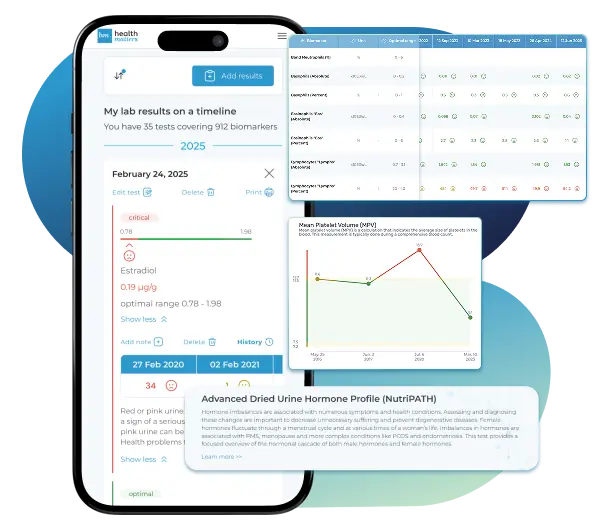
Import lab results from multiple providers, track changes over time, customize your reference ranges, and get clear explanations for each result. Everything is stored securely, exportable in one organized file, and shareable with your doctor—or anyone you choose.
Cancel or upgrade anytime
What does it mean if your Uric Acid result is too low?
Low Uric Acid (Hypouricemia)
Low uric acid is less common than high levels and is usually not a cause for concern.
In most cases, it does not lead to symptoms or require treatment. However, persistently low levels may reflect how your body is producing or clearing uric acid.
What Causes Low Uric Acid?
Low uric acid may occur due to:
-
Low purine intake (diet low in protein or purine-rich foods)
-
Certain medications
-
Pregnancy
-
Kidney conditions that increase uric acid excretion
-
Rare genetic or metabolic disorders
Should I Worry About Low Uric Acid?
In most cases, no.
Low uric acid is typically benign and does not cause health problems on its own. It is often discovered incidentally on routine blood testing.
Further evaluation may be considered if:
-
Levels are significantly below normal
-
Results are persistent over time
-
There are other abnormal lab findings or symptoms
What to Do If Your Uric Acid Is Low
-
Review your diet and protein intake
-
Check for medications that may affect uric acid levels
-
Monitor trends over time rather than a single result
-
Investigate further only if levels remain consistently low or clinically unexplained
How to Lower High Uric Acid Naturally
Lowering uric acid levels often starts with simple lifestyle changes that improve how your body produces and eliminates uric acid.
Hydration
-
Drink 8–12 glasses of water daily
-
Proper hydration helps the kidneys flush out uric acid efficiently
-
Dehydration can concentrate uric acid in the blood, increasing risk
Dietary Changes
-
Avoid: Red meat, organ meats, anchovies, sardines, shellfish
-
Limit: Beer and hard alcohol (can increase uric acid production)
-
Reduce: Sugary drinks and high-fructose corn syrup
-
Increase: Low-fat dairy, cherries, and coffee (linked to lower uric acid levels)
-
Eat more: Vegetables, whole grains, and plant-based proteins
Weight Management
-
Aim for gradual weight loss (rapid weight loss can temporarily raise uric acid)
-
Target 1–2 pounds per week
-
Even 5–10% weight loss can significantly improve uric acid levels
Exercise
-
Regular moderate exercise supports metabolic and cardiovascular health
-
Avoid intense exercise during active gout or very high uric acid levels, as it may trigger symptoms
Medications (If Needed)
If lifestyle changes are not enough, medications may be recommended:
-
Allopurinol, febuxostat: reduce uric acid production
-
Probenecid: increases uric acid excretion
Always discuss treatment options with your healthcare provider.
Related Biomarkers
Article Review & Sources
All our content is backed by peer-reviewed studies, academic research, and trusted medical sources. We're committed to accuracy and transparency — see our editorial policy for details.
Laboratories
Bring All Your Lab Results Together — In One Place
We accept reports from any lab, so you can easily collect and organize all your health information in one secure spot.










Pricing Table
Gather Your Lab History — and Finally Make Sense of It
Finally, Your Lab Results Organized and Clear

Personal plans

$79/ year
Advanced Plan
Access your lab reports, explanations, and tracking tools.
- Import lab results from any provider
- Track all results with visual tools
- Customize your reference ranges
- Export your full lab history anytime
- Share results securely with anyone
- Receive 5 reports entered for you
- Cancel or upgrade anytime
$250/ once
Unlimited Account
Pay once, access everything—no monthly fees, no limits.
- Import lab results from any provider
- Track all results with visual tools
- Customize your reference ranges
- Export your full lab history anytime
- Share results securely with anyone
- Receive 10 reports entered for you
- No subscriptions. No extra fees.
$45/ month
Pro Monthly
Designed for professionals managing their clients' lab reports
- Import lab results from any provider
- Track lab results for multiple clients
- Customize reference ranges per client
- Export lab histories and reports
- Begin with first report entered by us
- Cancel or upgrade anytime
About membership
What's included in a Healthmatters membership
 Import Lab Results from Any Source
 See Your Health Timeline
 Understand What Your Results Mean

 Visualize Your Results

 Data Entry Service for Your Reports
 Securely Share With Anyone You Trust
Let Your Lab Results Tell the Full Story
Once your results are in one place, see the bigger picture — track trends over time, compare data side by side, export your full history, and share securely with anyone you trust.




Bring all your results together to compare, track progress, export your history, and share securely.
What Healthmatters Members Are Saying

I have been using Healthmatters.io since 2021. I travel all over the world and use different doctors and health facilities. This site has allowed me to consolidate all my various test results over 14 years in one place. And every doctor that I show this to has been impressed. Because with any health professional I talk to, I can pull up historical results in seconds. It is invaluable. Even going back to the same doctor, they usually do not have the historical results from their facility in a graph format. That has been very helpful.
Anthony
Unlimited Plan Member since 2021
What fantastic service and great, easy-to-follow layouts! I love your website; it makes it so helpful to see patterns in my health data. It's truly a pleasure to use. I only wish the NHS was as organized and quick as Healthmatters.io. You've set a new standard for health tracking!
Karin
Advanced Plan Member since 2020
As a PRO member and medical practitioner, Healthmatters.io has been an invaluable tool for tracking my clients' data. The layout is intuitive, making it easy to monitor trends and spot patterns over time. The ability to customize reports and charts helps me present information clearly to my clients, improving communication and outcomes. It's streamlined my workflow, saving me time and providing insights at a glance. Highly recommended for any practitioner looking for a comprehensive and user-friendly solution to track patient labs!
Paul
Healthmatters Pro Member since 2024

We implement proven measures to keep your data safe.
At HealthMatters, we're committed to maintaining the security and confidentiality of your personal information. We've put industry-leading security standards in place to help protect against the loss, misuse, or alteration of the information under our control. We use procedural, physical, and electronic security methods designed to prevent unauthorized people from getting access to this information. Our internal code of conduct adds additional privacy protection. All data is backed up multiple times a day and encrypted using SSL certificates. See our Privacy Policy for more details.