
Bone remodeling allows for bone growth, bone repair and elimination of microfractures. Osteoclasts resorb old bone, while osteoblasts synthesize new protein, known as osteoid. Within several months, osteoid becomes calcified. After the age of 40 years, bone destruction begins to exceed formation, leading to osteoporosis. For every 10% of bone that is lost, the risk of fracture doubles.
Procollagen I intact N-terminal propeptide (PINP) values should not be used as a screening test for osteoporosis in the general population. PINP is used to monitor bone formation and antiresorptive therapies. PINP should be measured prior to the start of therapy to determine a baseline value and again at 3 to 6 months after initiation of therapy. Therapeutic response is evaluated by comparing pre and post-treatment values. The direction and degree of the change vary with the type of osteoporosis treatment. PINP levels have been shown to decrease as much as 70% during biphosponate therapy. Hormone replacement therapy also decreases PINP levels, but to a lesser extent. Recombinant human parathyroid hormone 1-34 (teriparatide) stimulates osteoblasts and bone formation. An increase in PINP can be seen as early as one month after initiation or treatment and peaks at 6 months. Increases of 10 ug/L or more at 3 months of therapy is considered an adequate response.
PINP exhibits diurnal variation, with higher values occurring at night. Serial measurements should be collected at the same time of the day. PINP is metabolized in the liver. Individuals with severe liver disease have decreased clearance and elevated PINP levels.
 Propeptide Type I Collagen
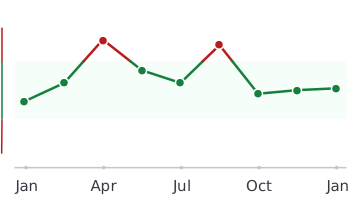
Every lab result you’ve ever had, charted and explained.
Healthmatters is a tracker for your lab results. Upload a report from any lab, any country — every marker charted and explained.
Start with my report →
All our content is backed by peer-reviewed studies, academic research, and trusted medical sources. We’re committed to accuracy and transparency — see our editorial policy for details.