
 Optimal Result:
2 - 6 Ratio.
Optimal Result:
2 - 6 Ratio.

The Na/Mg ratio, representing the balance between Sodium (Na) and Magnesium (Mg), in a Profile 1, Trace Elements (Hair) panel is an invaluable biomarker for assessing overall health and nutritional status. Sodium, a key electrolyte, is essential for maintaining fluid balance, nerve transmission, and muscle function, while Magnesium plays a pivotal role in over 300 enzymatic reactions, including energy metabolism, protein synthesis, and muscle and nerve function. An optimal Na/Mg ratio is crucial for maintaining cellular health, metabolic efficiency, and physiological balance. Deviations in this ratio can be indicative of various health issues, such as electrolyte imbalances, dietary deficiencies, or excesses, and stress-related disorders. A high Na/Mg ratio might point towards sodium retention or magnesium deficiency, often linked to conditions like hypertension, cardiovascular issues, or stress, whereas a low Na/Mg ratio could suggest sodium depletion or magnesium excess, potentially associated with adrenal insufficiency or kidney dysfunction. The analysis of this ratio through hair samples offers a unique, non-invasive insight into the long-term metabolic trends, providing a valuable tool for healthcare practitioners to tailor dietary and lifestyle interventions. It is particularly relevant in the realms of nutritional therapy, preventative medicine, and holistic health care. Patients presenting with symptoms like fatigue, muscle cramps, or mood disturbances may benefit from this analysis, as it can guide appropriate nutritional adjustments, supplementation, or further clinical investigation. The Na/Mg ratio in the Trace Elements (Hair) panel thus serves as a critical parameter in the comprehensive assessment of health and well-being, emphasizing the importance of a balanced diet and lifestyle in maintaining optimal health.
Lab Results Explained and Tracked
What does it mean if your Na/Mg result is too high?
What Do Elevated Sodium/Magnesium (Na/Mg) Ratio Levels Indicate?
An elevated Na/Mg ratio on a Hair Tissue Mineral Analysis (HTMA)—such as the Profile 1, Trace Elements (Hair) panel—typically suggests heightened adrenal activity and a body under acute or prolonged stress.
Key Implications of a High Na/Mg Ratio:
Adrenal Overactivity (Hyperadrenia)
-
A high ratio often reflects increased aldosterone output by the adrenal glands.
-
This is commonly seen in the early stages of stress, when the body is in a fight-or-flight (sympathetic) state.
-
It may be a sign of the body's attempt to cope with stress by retaining sodium and excreting magnesium.
Increased Stress Response
-
A high ratio is considered a stress indicator.
-
It may be associated with:
-
Anxiety or nervous tension
-
Sleep disturbances
-
Elevated blood pressure
-
Irritability or restlessness
-
Magnesium Loss or Deficiency
-
Elevated Na/Mg may also indicate relative magnesium depletion, either from:
-
Poor intake or absorption
-
Excess loss due to stress, medications, or chronic illness
-
Potential Metabolic Consequences
-
Increased sodium retention can strain the cardiovascular system and kidneys.
-
May contribute to insulin resistance, especially if paired with low potassium levels.
-
Can indicate a catabolic metabolic state, where the body breaks down tissues faster than it rebuilds them.
Common Causes of Elevated Na/Mg Ratio
-
Chronic psychological stress or trauma
-
Stimulant use (e.g., caffeine, nicotine, ADHD meds)
-
High sodium diet
-
Low magnesium intake
-
Adrenal hyperfunction (e.g., early-stage HPA axis dysregulation)
-
Inflammation or infection
When to Be Concerned
While a high Na/Mg ratio is not diagnostic of a disease, persistent elevation may warrant further evaluation of:
-
Adrenal gland function
-
Electrolyte balance
-
Stress management strategies
-
Cardiovascular risk markers
Summary
A high Sodium/Magnesium ratio in hair analysis typically reflects acute stress, adrenal stimulation, and magnesium depletion. It suggests that the body is in a heightened alert state and may be struggling to maintain mineral balance under stress. Identifying and addressing underlying causes—such as lifestyle stressors, dietary imbalances, or hidden inflammation—can help bring the ratio back into balance.
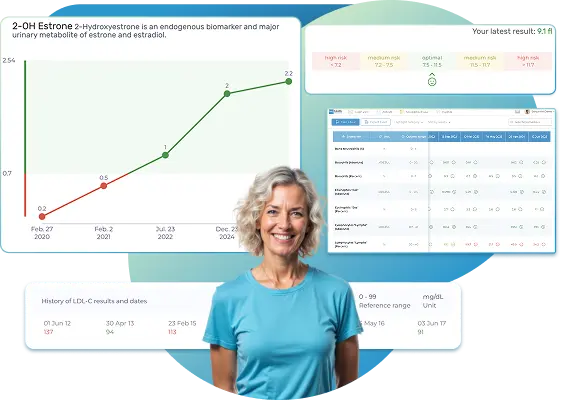
All Your Lab Results.
One Simple Dashboard.
Import, Track, and Share Your Lab Results Easily
Import, Track, and Share Your Lab Results
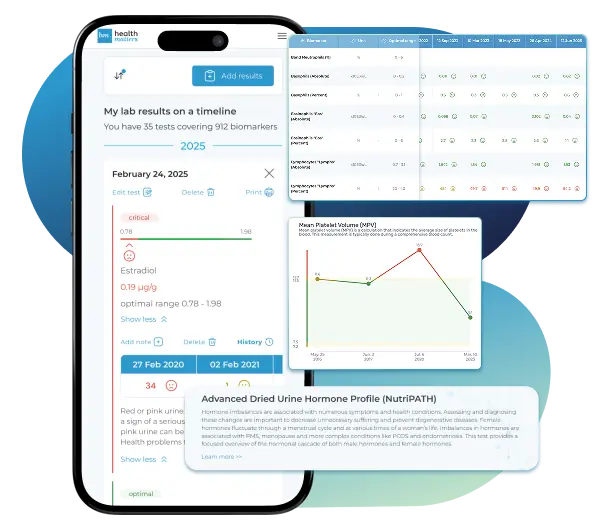
Import lab results from multiple providers, track changes over time, customize your reference ranges, and get clear explanations for each result. Everything is stored securely, exportable in one organized file, and shareable with your doctor—or anyone you choose.
Cancel or upgrade anytime
What does it mean if your Na/Mg result is too low?
The ratio of Sodium (Na) to Magnesium (Mg) in a Profile 1, Trace Elements (Hair) panel is a critical marker often evaluated in nutritional and health assessments.
Sodium, an essential electrolyte, plays a pivotal role in maintaining fluid balance, nerve function, and muscle contractions, while magnesium is crucial for over 300 biochemical reactions in the body, including energy production, DNA synthesis, and muscle and nerve function.
A lower than normal Na/Mg ratio may indicate magnesium dominance or sodium deficiency, potentially linked to conditions like adrenal fatigue, chronic stress, or dietary imbalances. It could also reflect issues with kidney function, hormonal imbalances, or certain dietary patterns.
This ratio is particularly significant as it offers insights into electrolyte balance and metabolic processes.
Individuals with symptoms such as fatigue, muscle weakness, or irregular heart rhythms may be particularly attentive to this ratio. Addressing a low Na/Mg ratio often involves a comprehensive approach, including dietary modifications to balance sodium and magnesium intake, stress management techniques, and possibly supplementation under medical guidance. It's essential for healthcare providers to interpret this ratio in the context of a full health assessment, considering factors like diet, lifestyle, and overall health status.
As such, the Na/Mg ratio in a hair trace element analysis is a valuable tool in holistic health and nutritional evaluations, guiding tailored health strategies for optimal well-being.
Article Review & Sources
All our content is backed by peer-reviewed studies, academic research, and trusted medical sources. We're committed to accuracy and transparency — see our editorial policy for details.
Laboratories
Bring All Your Lab Results Together — In One Place
We accept reports from any lab, so you can easily collect and organize all your health information in one secure spot.










Pricing Table
Gather Your Lab History — and Finally Make Sense of It
Finally, Your Lab Results Organized and Clear

Personal plans

$79/ year
Advanced Plan
Access your lab reports, explanations, and tracking tools.
- Import lab results from any provider
- Track all results with visual tools
- Customize your reference ranges
- Export your full lab history anytime
- Share results securely with anyone
- Receive 5 reports entered for you
- Cancel or upgrade anytime
$250/ once
Unlimited Account
Pay once, access everything—no monthly fees, no limits.
- Import lab results from any provider
- Track all results with visual tools
- Customize your reference ranges
- Export your full lab history anytime
- Share results securely with anyone
- Receive 10 reports entered for you
- No subscriptions. No extra fees.
$45/ month
Pro Monthly
Designed for professionals managing their clients' lab reports
- Import lab results from any provider
- Track lab results for multiple clients
- Customize reference ranges per client
- Export lab histories and reports
- Begin with first report entered by us
- Cancel or upgrade anytime
About membership
What's included in a Healthmatters membership
 Import Lab Results from Any Source
 See Your Health Timeline
 Understand What Your Results Mean

 Visualize Your Results

 Data Entry Service for Your Reports
 Securely Share With Anyone You Trust
Let Your Lab Results Tell the Full Story
Once your results are in one place, see the bigger picture — track trends over time, compare data side by side, export your full history, and share securely with anyone you trust.




Bring all your results together to compare, track progress, export your history, and share securely.
What Healthmatters Members Are Saying

I have been using Healthmatters.io since 2021. I travel all over the world and use different doctors and health facilities. This site has allowed me to consolidate all my various test results over 14 years in one place. And every doctor that I show this to has been impressed. Because with any health professional I talk to, I can pull up historical results in seconds. It is invaluable. Even going back to the same doctor, they usually do not have the historical results from their facility in a graph format. That has been very helpful.
Anthony
Unlimited Plan Member since 2021
What fantastic service and great, easy-to-follow layouts! I love your website; it makes it so helpful to see patterns in my health data. It's truly a pleasure to use. I only wish the NHS was as organized and quick as Healthmatters.io. You've set a new standard for health tracking!
Karin
Advanced Plan Member since 2020
As a PRO member and medical practitioner, Healthmatters.io has been an invaluable tool for tracking my clients' data. The layout is intuitive, making it easy to monitor trends and spot patterns over time. The ability to customize reports and charts helps me present information clearly to my clients, improving communication and outcomes. It's streamlined my workflow, saving me time and providing insights at a glance. Highly recommended for any practitioner looking for a comprehensive and user-friendly solution to track patient labs!
Paul
Healthmatters Pro Member since 2024

We implement proven measures to keep your data safe.
At HealthMatters, we're committed to maintaining the security and confidentiality of your personal information. We've put industry-leading security standards in place to help protect against the loss, misuse, or alteration of the information under our control. We use procedural, physical, and electronic security methods designed to prevent unauthorized people from getting access to this information. Our internal code of conduct adds additional privacy protection. All data is backed up multiple times a day and encrypted using SSL certificates. See our Privacy Policy for more details.