Mycophenolic Acid (MPA)
 Optimal Result:
0 - 37.4 ng/g creatinine.
Optimal Result:
0 - 37.4 ng/g creatinine.

Mycophenolic Acid (MPA) is a secondary metabolite produced primarily by molds in the Penicillium genus. While mycophenolic acid has pharmaceutical applications in controlled medical settings as an immunosuppressive drug, environmental exposure to MPA through mold-contaminated indoor spaces or foods may have unintended health consequences.
MPA inhibits inosine monophosphate dehydrogenase (IMPDH), a key enzyme required for de novo purine synthesis. Because B and T lymphocytes rely heavily on this pathway, MPA selectively suppresses adaptive immune cell proliferation. In the context of environmental exposure, this mechanism may contribute to immune suppression, increased susceptibility to opportunistic infections, and impaired immune surveillance.
Elevated Mycophenolic Acid on a urine mycotoxin test suggests recent or ongoing exposure rather than total body burden. Results should be interpreted alongside symptoms, environmental history, immune markers, and other mycotoxins on the panel.
MPA exposure has also been associated with adverse reproductive outcomes. In pregnancy, mycophenolic acid is considered teratogenic and has been linked to miscarriage and congenital malformations. Any elevation in individuals who are pregnant or trying to conceive warrants prompt clinical attention.
Lab Results Explained and Tracked
What does it mean if your Mycophenolic Acid (MPA) result is too high?
Elevated Mycophenolic Acid — Clinical Interpretation
An elevated mycophenolic acid level is consistent with recent or ongoing exposure to mycophenolic-acid–producing Penicillium molds or contaminated food sources. Results should always be interpreted in the context of clinical symptoms, exposure history, and other laboratory findings.
Higher levels may be more clinically relevant in individuals with existing immune vulnerability, impaired detoxification, or difficulty clearing infections.
Elevated mycophenolic acid may be particularly significant in individuals with:
-
Recurrent, persistent, or opportunistic infections (for example, Candida or Clostridia overgrowth)
-
Immune suppression or delayed recovery from infections
-
Neurologic, inflammatory, or chronic fatigue symptoms in the setting of suspected mold exposure
-
Fertility concerns or pregnancy (high clinical concern)
Clinical correlation and environmental assessment are strongly recommended.
Common Sources of Exposure
Penicillium species are widespread environmental molds and can grow in relatively low humidity, particularly in enclosed or poorly ventilated spaces.
Indoor environments
-
Water-damaged or older buildings
-
Wallpaper, carpets, and upholstered furniture
-
Fiberglass insulation and concealed building materials
-
HVAC systems and household dust reservoirs
Food sources
-
Citrus fruits
-
Seeds and grains
-
Stored, spoiled, or improperly preserved foods
Because Penicillium molds are often not visible, exposure may occur without obvious mold growth or a musty odor.
Symptoms and Exposure Clues
Symptoms associated with mold and mycotoxin exposure are nonspecific and may overlap with many other conditions. They often fluctuate with environment and level of exposure.
Neurologic / sensory
-
Brain fog, headaches, dizziness, or balance disturbances
-
Tingling, numbness, electric-shock–like, vibrating, or pulsing sensations (often spinal)
Musculoskeletal
-
Muscle pain, cramps, or weakness
Psychological / sleep
-
Anxiety or OCD-like symptoms
-
Sleep disturbance or unrefreshing sleep
Respiratory / ENT
-
Chronic sinus congestion or recurrent sinus infections
-
Chest tightness, cough, or shortness of breath
Gastrointestinal / skin
-
Bloating, abdominal discomfort, or altered bowel habits
-
Rashes, itching, or unexplained skin changes
Key Questions to Explore
These questions can help determine whether mold exposure may be contributing to symptoms or elevated mycotoxins:
-
When was the home or workplace built?
-
Is there visible mold, staining, water damage, or a persistent musty odor?
-
Any history of roof leaks, plumbing issues, flooding, or condensation?
-
Are there ventilation or humidity problems (bathrooms, basements, crawl spaces)?
-
Do symptoms improve or worsen in specific environments (home, work, travel)?
-
Do other household members, coworkers, or pets have similar symptoms?
Clinical and Supportive Management
Management should be individualized and guided by a qualified healthcare professional experienced in environmental or mold-related illness. This information is for educational purposes and does not replace medical care.
Reduce or eliminate exposure
-
Identify and remediate indoor mold and moisture sources, using trained professionals when needed
-
Avoid visibly moldy or water-damaged environments when possible
-
Discard spoiled, moldy, or water-damaged foods and materials
-
Improve ventilation, humidity control, and building maintenance to prevent re-exposure
Support detoxification pathways
-
Ensure adequate hydration, nutrition, and regular bowel movements
-
Emphasize a nutrient-dense, anti-inflammatory diet with adequate protein and healthy fats
-
Supplements, including essential fatty acids (often 3–4 g/day), should be used only under clinician guidance
Binding agents (clinician-directed)
Binders are sometimes used to support gastrointestinal elimination of certain toxins. They may interfere with medications and nutrient absorption and should only be used under professional supervision.
Examples include:
-
Cholestyramine or other prescription bile acid sequestrants
-
Activated charcoal
-
Bentonite clay
-
Chlorella
-
Saccharomyces boulardii
-
Okra and other fiber-based binders
Antifungal strategies (when appropriate)
Targeted antifungal approaches may be considered when there is evidence of fungal overgrowth. These are not appropriate for everyone and should be clinician-directed.
Oral antifungals
-
Prescription medications when clinically indicated
-
Herbal compounds (often as part of a broader protocol), such as berberine, oregano oil, grapefruit seed extract, pau d’arco, caprylic acid, garlic, and plant tannins
Nasal support (for sinus or upper airway involvement)
-
Xylitol-based nasal sprays or rinses
-
Silver-based nasal products (for example, argentyn-type preparations), used only with professional guidance
These strategies are typically part of a phased mold recovery plan that may also address gut health, nutrient status, nervous system regulation, and lifestyle factors.
Important Notes and Pregnancy Considerations
-
Mycotoxin testing reflects recent or ongoing exposure, not total lifetime burden.
-
Results should never be interpreted in isolation and must be correlated with symptoms, history, physical findings, and additional laboratory markers.
-
Mycophenolic-acid–based medications are known human teratogens, associated with increased risks of pregnancy loss and congenital abnormalities at therapeutic doses.
-
Because of this risk, any mycophenolic acid signal in someone who is pregnant, trying to conceive, or not using reliable contraception should be discussed urgently with a qualified healthcare provider.
-
Individuals who are pregnant, may become pregnant, or are breastfeeding should not initiate or modify binders, herbal antifungals, or intensive detoxification protocols without direct medical supervision.

All Your Lab Results.
One Simple Dashboard.
Import, Track, and Share Your Lab Results Easily
Import, Track, and Share Your Lab Results
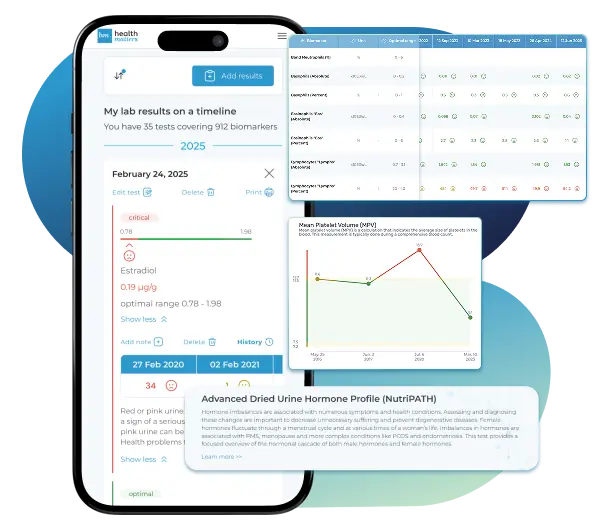
Import lab results from multiple providers, track changes over time, customize your reference ranges, and get clear explanations for each result. Everything is stored securely, exportable in one organized file, and shareable with your doctor—or anyone you choose.
Cancel or upgrade anytime
Article Review & Sources
All our content is backed by peer-reviewed studies, academic research, and trusted medical sources. We're committed to accuracy and transparency — see our editorial policy for details.
Laboratories
Bring All Your Lab Results Together — In One Place
We accept reports from any lab, so you can easily collect and organize all your health information in one secure spot.











Pricing Table
Gather Your Lab History — and Finally Make Sense of It
Finally, Your Lab Results Organized and Clear

Personal plans

$79/ year
Advanced Plan
Access your lab reports, explanations, and tracking tools.
- Import lab results from any provider
- Track all results with visual tools
- Customize your reference ranges
- Export your full lab history anytime
- Share results securely with anyone
- Receive 5 reports entered for you
- Cancel or upgrade anytime
$250/ once
Unlimited Account
Pay once, access everything—no monthly fees, no limits.
- Import lab results from any provider
- Track all results with visual tools
- Customize your reference ranges
- Export your full lab history anytime
- Share results securely with anyone
- Receive 10 reports entered for you
- No subscriptions. No extra fees.
$45/ month
Pro Monthly
Designed for professionals managing their clients' lab reports
- Import lab results from any provider
- Track lab results for multiple clients
- Customize reference ranges per client
- Export lab histories and reports
- Begin with first report entered by us
- Cancel or upgrade anytime
About membership
What's included in a Healthmatters membership
 Import Lab Results from Any Source
 See Your Health Timeline
 Understand What Your Results Mean

 Visualize Your Results

 Data Entry Service for Your Reports
 Securely Share With Anyone You Trust
Let Your Lab Results Tell the Full Story
Once your results are in one place, see the bigger picture — track trends over time, compare data side by side, export your full history, and share securely with anyone you trust.




Bring all your results together to compare, track progress, export your history, and share securely.
What Healthmatters Members Are Saying

I have been using Healthmatters.io since 2021. I travel all over the world and use different doctors and health facilities. This site has allowed me to consolidate all my various test results over 14 years in one place. And every doctor that I show this to has been impressed. Because with any health professional I talk to, I can pull up historical results in seconds. It is invaluable. Even going back to the same doctor, they usually do not have the historical results from their facility in a graph format. That has been very helpful.
Anthony
Unlimited Plan Member since 2021
What fantastic service and great, easy-to-follow layouts! I love your website; it makes it so helpful to see patterns in my health data. It's truly a pleasure to use. I only wish the NHS was as organized and quick as Healthmatters.io. You've set a new standard for health tracking!
Karin
Advanced Plan Member since 2020
As a PRO member and medical practitioner, Healthmatters.io has been an invaluable tool for tracking my clients' data. The layout is intuitive, making it easy to monitor trends and spot patterns over time. The ability to customize reports and charts helps me present information clearly to my clients, improving communication and outcomes. It's streamlined my workflow, saving me time and providing insights at a glance. Highly recommended for any practitioner looking for a comprehensive and user-friendly solution to track patient labs!
Paul
Healthmatters Pro Member since 2024

We implement proven measures to keep your data safe.
At HealthMatters, we're committed to maintaining the security and confidentiality of your personal information. We've put industry-leading security standards in place to help protect against the loss, misuse, or alteration of the information under our control. We use procedural, physical, and electronic security methods designed to prevent unauthorized people from getting access to this information. Our internal code of conduct adds additional privacy protection. All data is backed up multiple times a day and encrypted using SSL certificates. See our Privacy Policy for more details.