MID% Blood Test: 2-6% Normal, High >6%, Low <2% - What It Means
 Optimal Result:
2 - 6 %.
Optimal Result:
2 - 6 %.

KEY TAKEAWAYS
- Typical MID% range: Around 2–6% (refer to your lab's specific reference range)
- High MID% (>6%): Often seen with infection, allergies, or inflammation, though can occur for other reasons
- Low MID% (<2%): May suggest bone marrow suppression, corticosteroid use, or severe acute infection
- MID% must be interpreted in context: Absolute counts of monocytes, eosinophils, and basophils, total WBC count, and clinical symptoms are all essential for proper interpretation
- Lab variability matters: Different analyzers and labs may use different reference ranges; always check your specific lab report
WHAT IS MID% IN A BLOOD TEST?
MID% (mid-cell percentage) measures the proportion of mid-sized white blood cells in your blood. These typically include three types of immune cells: monocytes, eosinophils, and basophils. Together, these cells help your body fight infections, respond to allergies, and manage inflammation.
MID% is reported as a percentage of your total white blood cell count. For example, if your total WBC is 7,000 cells/μL and your MID% is 4%, you have approximately 280 mid-cells per microliter of blood.
MID% is usually measured as part of a Complete Blood Count (CBC) with differential, which breaks down all five major types of white blood cells:
- Neutrophils (50-70%)
- Lymphocytes (20-40%)
- Monocytes (2-8%)
- Eosinophils (1-4%)
- Basophils (0.5-1%)
The MID% value represents the combined percentage of monocytes, eosinophils, and basophils. Different hematology analyzers may group these cells slightly differently, so always interpret results in context with individual cell counts.
Important Note About Reference Ranges:
Because different laboratories and hematology analyzers define MID% slightly differently and use different reference ranges, always interpret your result using the specific reference interval shown on your own lab report. The 2-6% range discussed here is typical for many analyzers, but your lab's normal range may differ. Some analyzers may also include other rare white cell types in the MID grouping depending on manufacturer and settings.
MID% 0-2% (Low)
A MID% level between 0-2% is below the normal range and indicates that your mid-sized white blood cells (monocytes, eosinophils, and basophils) are depleted or suppressed. This is less common than elevated MID% but can signal important health issues.
What this typically means: Low MID% suggests your bone marrow is not producing enough of these specific white blood cell types, or they are being consumed faster than they can be replaced. This pattern is often seen when the immune system is suppressed or when other white blood cell types are dominating the count.
Important: Doctors focus primarily on the absolute counts of monocytes, eosinophils, and basophils (measured in cells per microliter), not just the percentage. A mildly elevated MID% with normal absolute counts may be less concerning than a normal MID% with very high total WBC count.
Common causes:
- Bone marrow suppression from chemotherapy or radiation therapy
- Acute severe infections where neutrophils dominate the white blood cell count
- Corticosteroid use (suppresses monocytes, eosinophils, and basophils)
- Aplastic anemia or bone marrow failure
- Acute stress response (physical or emotional trauma)
- HIV/AIDS with immune suppression
What to watch for: Monitor for signs of weakened immune function including frequent infections, slow wound healing, unexplained bruising, or fatigue. Low MID% combined with low total white blood cell count is particularly concerning.
Next steps: Your doctor will likely check your complete blood count including absolute numbers of monocytes, eosinophils, and basophils to determine which specific cell type is low. Additional tests may include bone marrow biopsy if bone marrow disorder is suspected, or review of medications that may suppress these cells.
MID% 2-4% (Normal-Low)
A MID% level between 2-4% falls in the lower half of the normal range. This indicates your mid-sized white blood cells are present at adequate but relatively modest levels, which is typically normal but warrants attention to the clinical context.
What this typically means: This range is generally healthy when your total white blood cell count is normal and you have no symptoms. Being on the lower end of normal may reflect individual variation or could indicate early depletion of these cell types before they fall below normal.
Important: Doctors focus primarily on the absolute counts of monocytes, eosinophils, and basophils (measured in cells per microliter), not just the percentage. A mildly elevated MID% with normal absolute counts may be less concerning than a normal MID% with very high total WBC count.
When this is normal:
- Healthy individuals with naturally lower monocyte, eosinophil, and basophil levels
- Recent recovery from infection when counts are normalizing
- No symptoms of infection, allergies, or immune problems
- Total WBC count is normal
When to investigate further: If you have symptoms like frequent infections, unexplained fatigue, or if you're taking medications that affect white blood cells (corticosteroids, immunosuppressants), your doctor may monitor trends over time. A gradual decrease toward the lower limit or below warrants closer evaluation.
What to watch for: Most people in this range don't need intervention. Continue routine health monitoring and inform your doctor if you develop recurrent infections, new allergies, or if you're starting medications that affect white blood cells.
MID% 4-6% (Normal-High)
A MID% level between 4-6% is in the upper range of normal, indicating healthy to slightly elevated levels of mid-sized white blood cells. At this level, your immune system is actively maintaining these cell populations, which is typically normal.
What this typically means: This range is still considered normal and often reflects:
- Active immune surveillance without overt disease
- Mild allergic response (seasonal allergies, mild eczema)
- Early response to infection before other markers become abnormal
- Individual variation (some healthy people naturally run higher)
Important: Doctors focus primarily on the absolute counts of monocytes, eosinophils, and basophils (measured in cells per microliter), not just the percentage. A mildly elevated MID% with normal absolute counts may be less concerning than a normal MID% with very high total WBC count.
When this is normal:
- Seasonal allergy sufferers during allergy season
- Recent minor infection or inflammation that's resolving
- Healthy individuals with naturally higher monocyte/eosinophil levels
- No significant symptoms or health concerns
When to investigate: If MID% is approaching 6% and you have symptoms like persistent cough, skin rashes, unexplained fever, or fatigue, your doctor may check:
- Absolute counts of monocytes, eosinophils, and basophils
- Allergy testing if eosinophils are specifically elevated
- Infectious disease workup if symptoms suggest infection
- Complete blood count trends over time
What to do: If you're in this range without symptoms, no intervention is needed. If you have known allergies, continue standard allergy management. Recheck CBC if symptoms develop or at routine health visits to monitor trends.
MID% 6-10% (High)
A MID% level between 6-10% is elevated and indicates a significant increase in mid-sized white blood cells. This typically occurs when your body is responding to an infection, allergic reaction, or inflammatory condition.
What this typically means: High MID% at this level often suggests your immune system is responding to something. The specific cause requires evaluation of which cell type is elevated (monocytes, eosinophils, or basophils) and your clinical symptoms. Your bone marrow is producing excess monocytes, eosinophils, or basophils in response to a specific trigger.
Important: Doctors focus primarily on the absolute counts of monocytes, eosinophils, and basophils (measured in cells per microliter), not just the percentage. A mildly elevated MID% with normal absolute counts may be less concerning than a normal MID% with very high total WBC count.
Common causes:
- Bacterial or viral infections (elevated monocytes)
- Allergic conditions: asthma, allergic rhinitis, eczema, food allergies (elevated eosinophils)
- Parasitic infections: roundworms, hookworms, other parasites (elevated eosinophils)
- Chronic inflammatory diseases: inflammatory bowel disease, rheumatoid arthritis (elevated monocytes)
- Autoimmune disorders: lupus, vasculitis (elevated monocytes and basophils)
- Medication reactions or drug allergies (elevated eosinophils)
Expected pattern with other markers:
- Total WBC count often elevated (>10,000/μL)
- Specific elevation of monocytes (>8%), eosinophils (>4%), or basophils (>1%)
- May see elevated inflammatory markers (ESR, CRP)
- Symptoms related to the underlying cause
Symptoms to watch for:
- Persistent or recurrent infections (fever, chills, fatigue)
- Allergic symptoms (wheezing, itching, rash, nasal congestion)
- Gastrointestinal symptoms if parasitic infection (diarrhea, abdominal pain)
- Joint pain or swelling if inflammatory disease
- Unexplained weight loss or night sweats
Next steps: Your doctor will likely:
- Review your complete blood count with differential to identify which specific cell type is elevated
- Take a detailed history about recent infections, allergies, travel, or medication changes
- Order additional tests based on clinical suspicion (allergy testing, stool studies for parasites, inflammatory markers, imaging)
- Start treatment for the underlying cause (antibiotics for infection, antihistamines for allergies, anti-parasitic medication, etc.)
- Recheck CBC in 4-8 weeks to ensure MID% normalizes with treatment
MID% 10%+ (Very High)
A MID% level above 10% is significantly elevated and indicates a major immune response or blood disorder. At this level, mid-sized white blood cells are markedly increased, which generally warrants prompt medical evaluation, especially if you have symptoms or other abnormal blood test results.
What this typically means: Very high MID% reflects a strong or prolonged immune stimulus. This is often seen in severe infections, significant allergic reactions, chronic parasitic infections, or blood disorders where these cell types proliferate abnormally.
Important: Doctors focus primarily on the absolute counts of monocytes, eosinophils, and basophils (measured in cells per microliter), not just the percentage. A mildly elevated MID% with normal absolute counts may be less concerning than a normal MID% with very high total WBC count.
Critical associations: When MID% exceeds 10%, you typically also see:
- Markedly elevated specific cell types: monocytes >10%, eosinophils >5%, or basophils >2%
- Total WBC count often significantly elevated (>12,000-15,000/μL)
- Clinical symptoms of the underlying condition
- Possible organ involvement if chronic or severe
Common causes at this level:
- Severe infections: Tuberculosis, infectious mononucleosis, chronic bacterial infections
- Severe allergic reactions: Drug reactions, severe asthma exacerbations, anaphylaxis
- Parasitic infections: Heavy parasitic burden (especially tropical parasites)
- Blood disorders: Chronic myelomonocytic leukemia (CMML), chronic eosinophilic leukemia, myeloproliferative neoplasms
- Autoimmune diseases: Active systemic lupus, severe inflammatory bowel disease
- Adrenal insufficiency: Can cause eosinophilia with elevated MID%
Emergency warning signs: Seek immediate medical attention if you experience:
- Severe difficulty breathing or wheezing (severe allergic reaction)
- High fever with confusion or altered mental status
- Severe abdominal pain with diarrhea and dehydration
- Unexplained rapid weight loss or severe night sweats
- Easy bruising or bleeding with very high WBC counts
Treatment approach: Your doctor may:
- Order a complete blood count with manual differential to identify which cell type is driving the elevation
- Conduct comprehensive workup including peripheral blood smear, bone marrow biopsy if blood disorder suspected
- Perform infectious disease testing, allergy panels, autoimmune workup based on clinical presentation
- Start empiric treatment for most likely cause while awaiting test results
- Consider referral to hematologist if blood disorder is suspected
- Monitor closely with frequent CBC rechecks (weekly to monthly depending on cause)
Follow-up: Expect frequent monitoring until the underlying cause is identified and treated. MID% should decrease as the condition improves. Persistent elevation above 10% despite treatment warrants bone marrow evaluation to rule out hematologic malignancy.
Quick MID% Interpretation Table
| MID% Level | Clinical Interpretation | Common Associations | Considerations |
|---|---|---|---|
| <2% | Very Low | Bone marrow suppression, corticosteroid use | Prompt medical review, check absolute counts, review medications |
| 2-4% | Normal-Low | Healthy lower range or early depletion | Monitor if symptomatic; routine follow-up |
| 4-6% | Normal-High | Optimal range, mild allergies, early infection response | No action if asymptomatic; monitor trends |
| 6-8% | Mildly High | Active infection, allergies, inflammation | Identify and treat underlying cause, recheck in 4-8 weeks |
| 8-10% | Moderately High | Significant infection, severe allergies, chronic inflammation | Comprehensive workup, treat underlying cause, monitor closely |
| 10%+ | Very High | Severe infection, major allergic reaction, possible blood disorder |
Generally warrants prompt evaluation; may need to rule out serious conditions including blood disorders
|
When to Worry About Your MID% Result
MID% is just one piece of your complete blood count. The following guidance assumes other concerning findings or symptoms are also present. An isolated MID% abnormality without symptoms often doesn't require emergency care.
Seek Immediate Medical Attention If:
With HIGH MID% (>6%):
- Severe difficulty breathing or wheezing
- High fever (>103°F/39.4°C) with confusion or altered mental status
- Severe skin rash with swelling of face, lips, or tongue (possible anaphylaxis)
- Severe abdominal pain with bloody diarrhea
- Unexplained severe weakness or inability to perform daily activities
- Easy bruising or unusual bleeding with very high white blood cell counts
With LOW MID% (<2%):
- Fever with severe fatigue and no clear source
- Multiple infections occurring close together
- Unexplained bruising or bleeding
- Extreme fatigue preventing normal activities
- Signs of infection that aren't improving with treatment
Schedule Urgent Appointment (Within 1-3 Days) If:
With HIGH MID%:
- Persistent fever for more than 3 days
- New or worsening allergic symptoms (chronic itching, persistent rash, worsening asthma)
- Unexplained weight loss (>5% body weight in 1 month)
- Persistent night sweats soaking through clothing
- Chronic diarrhea or abdominal discomfort
- Travel to areas with parasitic infections and developing symptoms
With LOW MID%:
- Frequent minor infections (colds, sore throats) occurring monthly
- Slow wound healing
- Chronic fatigue not explained by other causes
- Recent start of medications that may suppress immune system
- Known HIV/AIDS or immunosuppressive condition with declining counts
Routine Follow-Up (Within 2-4 Weeks) If:
- MID% slightly outside normal range (just below 2% or just above 6%)
- Mild seasonal allergies with slightly elevated MID%
- Recent infection that has resolved but MID% remains mildly elevated
- Chronic conditions requiring regular blood monitoring
- Taking medications that may affect white blood cells (discuss with doctor)
FAQ about MID%
-
What is MID% in a blood test?
MID% (mid-cell percentage) measures the proportion of mid-sized white blood cells in your blood, typically including monocytes, eosinophils, and basophils. These cells are part of your immune system and help fight infections, allergic reactions, and inflammation. MID% is reported as a percentage of your total white blood cell count. -
What does high MID% mean?
High MID% (above 6%) typically indicates your body is responding to an infection, allergic reaction, or inflammatory condition. Elevated monocytes suggest bacterial or viral infection, elevated eosinophils indicate allergies or parasitic infections, and elevated basophils may signal allergic or inflammatory conditions. Your doctor will examine the specific cell types to determine the cause. -
What does low MID% mean?
Low MID% (below 2%) usually indicates bone marrow suppression, often from medications like corticosteroids or chemotherapy, or from severe acute infections where neutrophils dominate the white blood cell count. Low MID% can also occur in bone marrow disorders or immune suppression conditions like HIV/AIDS. -
What is the normal range for MID%?
The typical MID% range is around 2-6%, though this can vary by laboratory and analyzer. Always refer to the specific reference range printed on your lab report, as different analyzers and labs may use different normal ranges. -
What cells are included in MID%?
MID% typically includes three types of white blood cells: monocytes (which fight bacterial and viral infections), eosinophils (which combat parasites and mediate allergic responses), and basophils (which release histamine during allergic reactions). The exact grouping may vary by laboratory analyzer. -
What are symptoms of high MID%?
Symptoms of high MID% depend on which specific cell type is elevated. Common symptoms include persistent fever and fatigue (elevated monocytes from infection), itching, wheezing, rash, or nasal congestion (elevated eosinophils from allergies), or hives and skin flushing (elevated basophils from allergic reactions). Many people with mildly elevated MID% have no symptoms. -
What are symptoms of low MID%?
Low MID% itself doesn't cause direct symptoms, but the underlying causes may produce frequent infections, slow wound healing, easy bruising, chronic fatigue, or signs of bone marrow suppression. Symptoms often relate to the medication or condition causing the low MID%. -
What causes high MID%?
High MID% is commonly caused by bacterial or viral infections (elevated monocytes), allergic conditions like asthma or hay fever (elevated eosinophils), parasitic infections (elevated eosinophils), chronic inflammatory diseases like inflammatory bowel disease or rheumatoid arthritis (elevated monocytes), or medication reactions (elevated eosinophils). -
What causes low MID%?
Low MID% is typically caused by corticosteroid use, chemotherapy or radiation therapy, severe acute infections where neutrophils dominate, bone marrow suppression from medications or toxins, aplastic anemia, or immune suppression from conditions like HIV/AIDS or autoimmune disorders. -
How do you treat high MID%?
Treatment for high MID% focuses on addressing the underlying cause. This may include antibiotics or antivirals for infections, antihistamines or corticosteroids for allergies, anti-parasitic medications for parasitic infections, or anti-inflammatory medications for chronic inflammatory conditions. The specific treatment depends on which cell type is elevated and the root cause. -
How do you treat low MID%?
Treatment for low MID% depends on the cause. If medication-induced, your doctor may adjust dosages or switch medications. For bone marrow suppression from chemotherapy, treatment may include growth factors to stimulate white blood cell production. Addressing the underlying condition (treating HIV, managing autoimmune disease) helps normalize counts. -
Can stress affect MID% results?
Yes, acute physical or emotional stress can temporarily affect MID% results. Stress causes release of cortisol and adrenaline, which can suppress monocytes, eosinophils, and basophils, potentially lowering MID%. Chronic stress may have variable effects depending on individual response and duration. -
Should I fast before a MID% blood test?
Fasting is not required for a MID% test. However, since MID% is usually part of a complete blood count (CBC) which may be ordered alongside other tests requiring fasting (like glucose or lipids), your doctor may ask you to fast. Check specific instructions from your healthcare provider. -
What is the difference between MID% and MID#?
MID% measures mid-cells as a percentage of total white blood cells (normal 2-6%), while MID# (mid-cell absolute count) measures the actual number of mid-cells per microliter of blood. MID# is calculated by multiplying MID% by total WBC count. Both values are important for complete interpretation. -
Can MID% be high with normal WBC count?
Yes, MID% can be elevated even when total white blood cell count is normal. This occurs when monocytes, eosinophils, or basophils increase while neutrophils and lymphocytes decrease proportionally, keeping the total WBC normal. This pattern often indicates allergies or early infection before total WBC rises.
Lab Results Explained and Tracked
What does it mean if your MID% result is too high?
Elevated levels of MID# (absolute mid-cell count) or MID% (percentage of mid-sized white blood cells) in a Complete Blood Count (CBC) can signal that the body is responding to an abnormal process, such as an infection, inflammation, or an allergic reaction. Here's a more detailed look at what elevated levels of these specific types of white blood cells — monocytes, eosinophils, and basophils — could mean, along with potential diagnoses and treatment options.
Monocytes
Monocytes are a type of white blood cell that helps fight infections and remove dead or damaged cells from the body. Elevated monocyte levels are called monocytosis.
Possible Causes of Elevated Monocytes:
- Chronic Infections: Conditions like tuberculosis, viral infections (e.g., Epstein-Barr virus, which causes mono), or syphilis can lead to higher monocyte counts.
- Chronic Inflammatory Diseases: Diseases like inflammatory bowel disease (IBD) or rheumatoid arthritis can elevate monocyte levels due to persistent inflammation.
- Autoimmune Diseases: Conditions such as lupus can cause elevated monocytes because the immune system is overactive.
- Blood Disorders: Certain types of leukemia, such as chronic myelomonocytic leukemia, can result in abnormally high monocyte levels.
Symptoms and Diagnosis:
- Symptoms are often related to the underlying cause, such as fever, fatigue, swollen lymph nodes, or persistent inflammation.
- A blood test that shows elevated monocytes along with other symptoms will typically prompt further tests to identify infections, autoimmune disorders, or blood diseases.
Treatment:
- Infections: Treat the underlying infection with antibiotics (for bacterial infections) or antivirals (for viral infections).
- Chronic inflammation or autoimmune conditions: Treatment may involve anti-inflammatory medications or immunosuppressants like corticosteroids to reduce immune activity.
- Leukemia: Treatment for blood cancers may involve chemotherapy, radiation, or a bone marrow transplant, depending on the specific type of leukemia.
Eosinophils
Eosinophils are primarily involved in fighting parasitic infections and mediating allergic reactions. Elevated eosinophils are referred to as eosinophilia.
Possible Causes of Elevated Eosinophils:
- Allergic Reactions: Conditions such as asthma, seasonal allergies, or eczema can cause elevated eosinophil levels.
- Parasitic Infections: Infections caused by roundworms, hookworms, or other parasites can trigger eosinophilia.
- Autoimmune Disorders: Diseases like Churg-Strauss syndrome (a rare autoimmune condition) can lead to increased eosinophils.
- Certain Cancers: Blood cancers like Hodgkin's lymphoma or some types of leukemia can cause eosinophilia.
Symptoms and Diagnosis:
- Common symptoms include itching, rash, asthma, or gastrointestinal issues (in cases of parasitic infections).
- Diagnosis involves identifying the underlying cause through further blood tests, skin tests (for allergies), stool tests (for parasites), or imaging.
Treatment:
- Allergic reactions: Antihistamines, corticosteroids, and allergy shots can help reduce eosinophil levels in allergic conditions.
- Parasitic infections: Anti-parasitic medications are used to treat the underlying infection.
- Autoimmune disorders or cancers: Treatment may involve immunosuppressive drugs, chemotherapy, or targeted therapies, depending on the specific diagnosis.
Basophils
Basophils are the least common white blood cells, but they play a role in allergic responses and releasing chemicals like histamine. Elevated basophil levels are known as basophilia.
Possible Causes of Elevated Basophils:
- Allergic Conditions: Allergic rhinitis (hay fever), asthma, or anaphylaxis can increase basophil levels due to the body's release of histamine.
- Chronic Inflammatory Conditions: Ulcerative colitis or rheumatoid arthritis may elevate basophil counts.
- Infections: Chickenpox or tuberculosis can cause transient increases in basophils.
- Blood Disorders: Conditions like chronic myeloid leukemia (CML) can result in significantly elevated basophil levels.
Symptoms and Diagnosis:
- Symptoms of basophilia often include hives, itching, swelling, or respiratory issues related to allergies.
- Diagnostic approaches involve allergy testing and blood tests for infections or blood cancers. Bone marrow biopsies may be necessary in cases where blood disorders are suspected.
Treatment:
- Allergic conditions: Medications such as antihistamines or epinephrine for severe allergic reactions can lower basophil levels.
- Inflammatory diseases: Anti-inflammatory medications like corticosteroids are often used.
- Blood disorders: For conditions like chronic myeloid leukemia, targeted therapies such as tyrosine kinase inhibitors (TKIs) are commonly prescribed.
Summary of Treatment Approaches for Elevated MID%/MID#
- Allergic reactions: Antihistamines, corticosteroids, and allergen avoidance.
- Infections: Antibiotics, antivirals, or antiparasitic treatments.
- Chronic inflammatory or autoimmune conditions: Anti-inflammatory drugs, immunosuppressants, and disease-modifying therapies.
- Blood cancers: Chemotherapy, targeted therapies, or bone marrow transplants.
In summary, elevated MID# or MID% levels generally indicate the body is fighting an infection, allergic reaction, or chronic inflammatory condition. Treatment focuses on addressing the underlying cause, whether it's managing allergies, fighting infections, or treating autoimmune or blood disorders.
Related Health Conditions

All Your Lab Results.
One Simple Dashboard.
Import, Track, and Share Your Lab Results Easily
Import, Track, and Share Your Lab Results
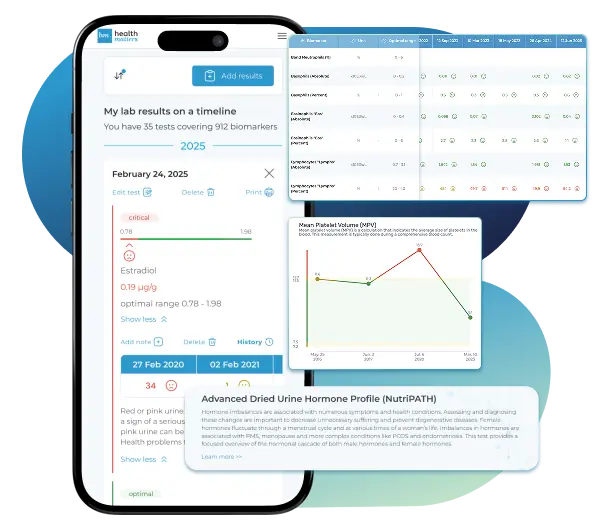
Import lab results from multiple providers, track changes over time, customize your reference ranges, and get clear explanations for each result. Everything is stored securely, exportable in one organized file, and shareable with your doctor—or anyone you choose.
Cancel or upgrade anytime
Related Biomarkers
Article Review & Sources
All our content is backed by peer-reviewed studies, academic research, and trusted medical sources. We're committed to accuracy and transparency — see our editorial policy for details.
Laboratories
Bring All Your Lab Results Together — In One Place
We accept reports from any lab, so you can easily collect and organize all your health information in one secure spot.











Pricing Table
Gather Your Lab History — and Finally Make Sense of It
Finally, Your Lab Results Organized and Clear

Personal plans

$79/ year
Advanced Plan
Access your lab reports, explanations, and tracking tools.
- Import lab results from any provider
- Track all results with visual tools
- Customize your reference ranges
- Export your full lab history anytime
- Share results securely with anyone
- Receive 5 reports entered for you
- Cancel or upgrade anytime
$250/ once
Unlimited Account
Pay once, access everything—no monthly fees, no limits.
- Import lab results from any provider
- Track all results with visual tools
- Customize your reference ranges
- Export your full lab history anytime
- Share results securely with anyone
- Receive 10 reports entered for you
- No subscriptions. No extra fees.
$45/ month
Pro Monthly
Designed for professionals managing their clients' lab reports
- Import lab results from any provider
- Track lab results for multiple clients
- Customize reference ranges per client
- Export lab histories and reports
- Begin with first report entered by us
- Cancel or upgrade anytime
About membership
What's included in a Healthmatters membership
 Import Lab Results from Any Source
 See Your Health Timeline
 Understand What Your Results Mean

 Visualize Your Results

 Data Entry Service for Your Reports
 Securely Share With Anyone You Trust
Let Your Lab Results Tell the Full Story
Once your results are in one place, see the bigger picture — track trends over time, compare data side by side, export your full history, and share securely with anyone you trust.




Bring all your results together to compare, track progress, export your history, and share securely.
What Healthmatters Members Are Saying

I have been using Healthmatters.io since 2021. I travel all over the world and use different doctors and health facilities. This site has allowed me to consolidate all my various test results over 14 years in one place. And every doctor that I show this to has been impressed. Because with any health professional I talk to, I can pull up historical results in seconds. It is invaluable. Even going back to the same doctor, they usually do not have the historical results from their facility in a graph format. That has been very helpful.
Anthony
Unlimited Plan Member since 2021
What fantastic service and great, easy-to-follow layouts! I love your website; it makes it so helpful to see patterns in my health data. It's truly a pleasure to use. I only wish the NHS was as organized and quick as Healthmatters.io. You've set a new standard for health tracking!
Karin
Advanced Plan Member since 2020
As a PRO member and medical practitioner, Healthmatters.io has been an invaluable tool for tracking my clients' data. The layout is intuitive, making it easy to monitor trends and spot patterns over time. The ability to customize reports and charts helps me present information clearly to my clients, improving communication and outcomes. It's streamlined my workflow, saving me time and providing insights at a glance. Highly recommended for any practitioner looking for a comprehensive and user-friendly solution to track patient labs!
Paul
Healthmatters Pro Member since 2024

We implement proven measures to keep your data safe.
At HealthMatters, we're committed to maintaining the security and confidentiality of your personal information. We've put industry-leading security standards in place to help protect against the loss, misuse, or alteration of the information under our control. We use procedural, physical, and electronic security methods designed to prevent unauthorized people from getting access to this information. Our internal code of conduct adds additional privacy protection. All data is backed up multiple times a day and encrypted using SSL certificates. See our Privacy Policy for more details.