
Hippuric (Males Under Age 13)
 Optimal Result:
0 - 680 mmol/mol creatinine.
Optimal Result:
0 - 680 mmol/mol creatinine.

Hippuric acid is an organic compound formed in the liver when benzoic acid (a common substance found in foods, preservatives, and environmental chemicals) combines with glycine, an amino acid involved in detoxification. Measuring hippuric acid levels in urine provides insight into the body’s ability to process and eliminate toxins, especially those related to environmental exposure, gut microbial activity, and liver detoxification efficiency.
This marker is part of the Organic Acids Test (OAT), which evaluates metabolic byproducts in urine to assess cellular function, nutrient status, detoxification capacity, and gut health. The reference range for this test is adjusted for age and sex, as metabolism and detoxification rates differ between children and adults.
Summary
Hippuric acid is a key detoxification marker on the Organic Acids Test (OAT) that reflects how efficiently the body processes environmental chemicals, food preservatives, and microbial byproducts. In children, especially males under 13, elevated levels may point to excess environmental toxin exposure, gut imbalance, or increased detoxification demand.
Evaluating hippuric acid alongside related OAT markers—such as benzoic acid, quinolinic acid, and detox pathway intermediates—helps build a more complete picture of liver function, gut health, and overall metabolic balance.
Lab Results Explained and Tracked
What does it mean if your Hippuric (Males Under Age 13) result is too high?
1. Environmental or Chemical Exposure
High hippuric acid levels are most commonly linked to exposure to toluene, a solvent found in:
-
Paint thinners, adhesives, gasoline, and nail polish removers
-
Household cleaning products and industrial fumes
The body metabolizes toluene into benzoic acid, which is then conjugated with glycine to form hippuric acid for excretion. Elevated hippuric acid in a child may reflect environmental or household chemical exposure, particularly in poorly ventilated areas.
2. Gut Microbial Overgrowth or Dysbiosis
Certain intestinal bacteria and yeasts can metabolize dietary components into benzoic acid, increasing hippuric acid production. Elevated levels may therefore reflect gut dysbiosis—an imbalance of beneficial and harmful microbes in the digestive tract.
This may occur with:
-
Yeast or fungal overgrowth (e.g., Candida)
-
Clostridia species imbalance
-
Chronic constipation or poor digestion
3. Increased Dietary Intake of Benzoates
Foods and beverages containing benzoic acid or sodium benzoate as preservatives can elevate hippuric acid levels. These additives are found in:
-
Soft drinks, fruit juices, and flavored beverages
-
Packaged snacks and processed foods
-
Certain pickled or preserved foods
4. Enhanced Detoxification Response
In some cases, a mild increase in hippuric acid may reflect an active and functional liver detoxification process, as glycine conjugation is a normal Phase II detox pathway. However, chronically elevated values may indicate that the liver and detox systems are under strain or compensating for persistent exposure.
Supporting Healthy Hippuric Acid Levels
1. Reduce Environmental Exposure
-
Avoid or limit use of products containing toluene, benzene, or xylene.
-
Ensure adequate ventilation when painting, cleaning, or using solvents.
-
Use low-VOC (volatile organic compound) household products.
2. Improve Diet Quality
-
Limit processed foods and soft drinks containing benzoates.
-
Increase antioxidant-rich fruits and vegetables to support liver detoxification.
-
Ensure adequate protein intake to provide amino acids like glycine for detox pathways.
3. Support Gut Health
-
Encourage a balanced gut microbiome through probiotics, fiber-rich foods, and avoiding unnecessary antibiotics.
-
Address possible yeast or bacterial overgrowth if indicated by other OAT markers.
4. Optimize Detoxification and Nutrient Support
-
Nutrients supporting glycine conjugation include glycine, magnesium, vitamin B6, and N-acetylcysteine (NAC).
-
A healthcare provider may recommend a targeted detoxification or gut-rebalancing program if multiple OAT markers indicate metabolic or microbial stress.
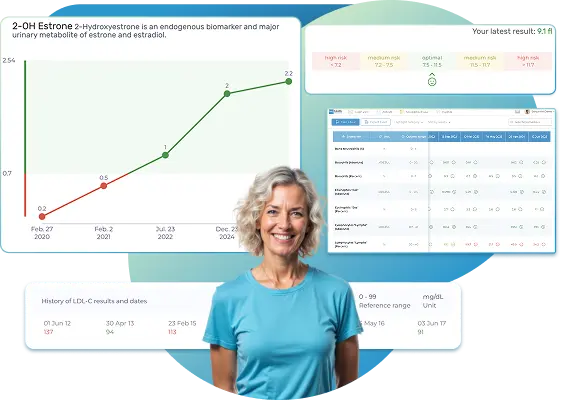
All Your Lab Results.
One Simple Dashboard.
Import, Track, and Share Your Lab Results Easily
Import, Track, and Share Your Lab Results
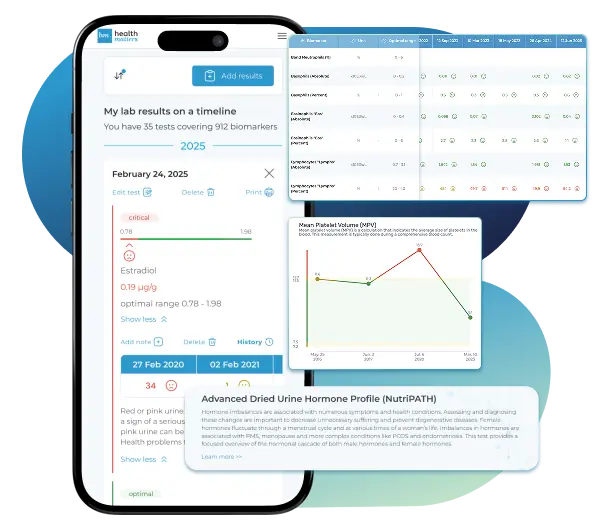
Import lab results from multiple providers, track changes over time, customize your reference ranges, and get clear explanations for each result. Everything is stored securely, exportable in one organized file, and shareable with your doctor—or anyone you choose.
Cancel or upgrade anytime
Article Review & Sources
All our content is backed by peer-reviewed studies, academic research, and trusted medical sources. We're committed to accuracy and transparency — see our editorial policy for details.
Laboratories
Bring All Your Lab Results Together — In One Place
We accept reports from any lab, so you can easily collect and organize all your health information in one secure spot.










Pricing Table
Gather Your Lab History — and Finally Make Sense of It
Finally, Your Lab Results Organized and Clear

Personal plans

$79/ year
Advanced Plan
Access your lab reports, explanations, and tracking tools.
- Import lab results from any provider
- Track all results with visual tools
- Customize your reference ranges
- Export your full lab history anytime
- Share results securely with anyone
- Receive 5 reports entered for you
- Cancel or upgrade anytime
$250/ once
Unlimited Account
Pay once, access everything—no monthly fees, no limits.
- Import lab results from any provider
- Track all results with visual tools
- Customize your reference ranges
- Export your full lab history anytime
- Share results securely with anyone
- Receive 10 reports entered for you
- No subscriptions. No extra fees.
$45/ month
Pro Monthly
Designed for professionals managing their clients' lab reports
- Import lab results from any provider
- Track lab results for multiple clients
- Customize reference ranges per client
- Export lab histories and reports
- Begin with first report entered by us
- Cancel or upgrade anytime
About membership
What's included in a Healthmatters membership
 Import Lab Results from Any Source
 See Your Health Timeline
 Understand What Your Results Mean

 Visualize Your Results

 Data Entry Service for Your Reports
 Securely Share With Anyone You Trust
Let Your Lab Results Tell the Full Story
Once your results are in one place, see the bigger picture — track trends over time, compare data side by side, export your full history, and share securely with anyone you trust.




Bring all your results together to compare, track progress, export your history, and share securely.
What Healthmatters Members Are Saying

I have been using Healthmatters.io since 2021. I travel all over the world and use different doctors and health facilities. This site has allowed me to consolidate all my various test results over 14 years in one place. And every doctor that I show this to has been impressed. Because with any health professional I talk to, I can pull up historical results in seconds. It is invaluable. Even going back to the same doctor, they usually do not have the historical results from their facility in a graph format. That has been very helpful.
Anthony
Unlimited Plan Member since 2021
What fantastic service and great, easy-to-follow layouts! I love your website; it makes it so helpful to see patterns in my health data. It's truly a pleasure to use. I only wish the NHS was as organized and quick as Healthmatters.io. You've set a new standard for health tracking!
Karin
Advanced Plan Member since 2020
As a PRO member and medical practitioner, Healthmatters.io has been an invaluable tool for tracking my clients' data. The layout is intuitive, making it easy to monitor trends and spot patterns over time. The ability to customize reports and charts helps me present information clearly to my clients, improving communication and outcomes. It's streamlined my workflow, saving me time and providing insights at a glance. Highly recommended for any practitioner looking for a comprehensive and user-friendly solution to track patient labs!
Paul
Healthmatters Pro Member since 2024

We implement proven measures to keep your data safe.
At HealthMatters, we're committed to maintaining the security and confidentiality of your personal information. We've put industry-leading security standards in place to help protect against the loss, misuse, or alteration of the information under our control. We use procedural, physical, and electronic security methods designed to prevent unauthorized people from getting access to this information. Our internal code of conduct adds additional privacy protection. All data is backed up multiple times a day and encrypted using SSL certificates. See our Privacy Policy for more details.