
 Optimal Result:
15.6 - 46.9 umol/L.
Optimal Result:
15.6 - 46.9 umol/L.

Citrulline is an amino acid derived from ornithine and carbamoyl phosphate in a key reaction of the urea cycle, where it helps convert ammonia into urea for excretion. It’s also produced as a by-product when the enzyme family NOS (Nitric Oxide Synthase) catalyzes reactions involving arginine, leading to nitric oxide (NO) production.
The name "citrulline" originates from its high concentration in watermelon (Citrullus vulgaris). In the human body, citrulline plays a central role in arginine production. In the kidneys, it combines with aspartic acid through the action of the enzyme argininosuccinate synthetase (ASS) to form argininosuccinate. This compound then degrades into fumarate and arginine, helping to maintain plasma arginine levels. In the liver, ASS is similarly involved in the urea cycle, facilitating ammonia detoxification.
Clinically, plasma citrulline levels are valuable as a biomarker. They serve as indicators of small intestinal function and mass, intestinal injury, and rejection in small bowel transplants. Citrulline production occurs mainly in enterocytes, the cells lining the small intestine, where it reflects the unique capacity of these cells to convert glutamine into citrulline. Consequently, plasma citrulline levels correlate with enterocyte mass.
Both classic and type II citrullinemia are linked to specific genetic mutations that disrupt the urea cycle, resulting in elevated plasma citrulline. Additionally, increased plasma citrulline is used as a marker of postoperative intestinal failure.
In contrast, low citrulline levels can indicate reduced NO synthesis, as citrulline is a by-product of this process. Lowered NO availability may stem from the inactivation of NO or inhibition of its synthesis, both of which can reduce citrulline production and signal impaired NO pathways.
Reference:
Fragkos KC, Forbes A. Citrulline as a marker of intestinal function and absorption in clinical settings: A systematic review and meta-analysis. United European Gastroenterol J. 2018 Mar;6(2):181-191. doi: 10.1177/2050640617737632. Epub 2017 Oct 12. PMID: 29511548; PMCID: PMC5833233. [L]
Lab Results Explained and Tracked
What does it mean if your Citrulline result is too high?
Elevated levels of citrulline in a plasma amino acids panel can signal various underlying conditions, often related to metabolic, liver, kidney, or intestinal health. Citrulline is an amino acid involved in the urea cycle—a critical process in the liver that removes excess ammonia from the body. High citrulline levels are commonly linked to urea cycle disorders (UCDs), liver dysfunction, kidney impairment, or certain metabolic and intestinal conditions. The symptoms, underlying causes, and treatment options for elevated citrulline depend on the specific health issue.
Possible Symptoms of Elevated Citrulline Levels
Symptoms associated with elevated citrulline levels often arise from excess ammonia or disruptions in nitrogen metabolism. Common symptoms can include:
- Neurological Symptoms: Confusion, irritability, or behavioral changes due to elevated ammonia levels, especially in UCDs or liver conditions.
- Gastrointestinal Symptoms: Nausea, vomiting, and loss of appetite, particularly in cases involving liver dysfunction or metabolic conditions.
- Fatigue and Weakness: Generalized fatigue is common as the body struggles with energy and nitrogen metabolism.
- Muscle and Joint Pain: Muscle pain or weakness may result from metabolic imbalances and is seen in some mitochondrial disorders or chronic kidney issues.
Treatment Options for Elevated Citrulline
Treatment depends on identifying and addressing the underlying cause of the elevated citrulline:
-
Urea Cycle Disorders (UCDs)
UCDs, such as citrullinemia, result from enzyme deficiencies in the urea cycle, causing citrulline and ammonia to accumulate:- Dietary Protein Restriction: Limiting protein intake reduces ammonia production, which can alleviate symptoms and ease the burden on the urea cycle.
- Ammonia-Scavenging Medications: Drugs like sodium benzoate and sodium phenylbutyrate bind with ammonia, aiding in its removal from the bloodstream.
- Arginine or Citrulline Supplementation: In specific UCDs, supplementation with arginine or citrulline helps support the urea cycle and maintain amino acid balance.
- Liver Transplant: In severe UCD cases, liver transplantation may be considered, providing functional enzymes to process ammonia effectively.
-
Liver Dysfunction
Conditions like cirrhosis or hepatitis impair liver function, which can disrupt the urea cycle and lead to elevated citrulline:- Treatment of Underlying Liver Disease: Interventions depend on the specific liver disease and may include antiviral therapy for hepatitis, lifestyle changes for fatty liver disease, or medications for liver support.
- Ammonia-Lowering Therapies: In advanced liver disease with high ammonia levels, medications such as lactulose or rifaximin can reduce ammonia by altering gut bacteria and reducing ammonia production.
-
Kidney Dysfunction
Since the kidneys play a role in clearing citrulline, kidney impairment can lead to elevated levels:- Dialysis: In severe kidney dysfunction, dialysis may be necessary to remove waste products, including citrulline, from the blood.
- Dietary Adjustments and Medications: Nutritional changes and medications that support kidney health or control blood pressure may help manage citrulline levels indirectly.
-
Intestinal Health and Malabsorption Disorders
Citrulline is produced in the small intestine, so conditions affecting intestinal health, such as short bowel syndrome, can alter citrulline levels:- Nutritional Support: For patients with malabsorption syndromes, specialized nutrition plans can help balance amino acids. In cases like short bowel syndrome, supplementation with citrulline itself may be necessary.
- Management of GI Disorders: Treating underlying gastrointestinal issues, such as inflammatory bowel disease, supports healthy citrulline production.
-
Metabolic Conditions (e.g., Mitochondrial Disorders)
Metabolic disorders affecting energy production and nitrogen metabolism, such as mitochondrial disorders, can lead to elevated citrulline:- Dietary Modifications: Dietary adjustments tailored to specific metabolic needs can help manage citrulline levels.
- Mitochondrial Support Supplements: Supplements like Coenzyme Q10, B vitamins, and carnitine may improve cellular energy production and reduce metabolic stress.
-
Symptomatic and Preventative Management
- Protein Load Management: Avoiding high-protein meals may help individuals with mild enzyme deficiencies or metabolic imbalances manage symptoms.
- Regular Monitoring: Periodic testing to monitor citrulline and ammonia levels can guide treatment adjustments and prevent complications.
Elevated citrulline levels can point to a range of health issues, and managing these levels often requires a multidisciplinary approach involving dietary changes, medications, and careful monitoring. A tailored treatment plan developed in collaboration with healthcare specialists—such as metabolic specialists, hepatologists, or nephrologists—can effectively manage symptoms and address the underlying cause of elevated citrulline levels.
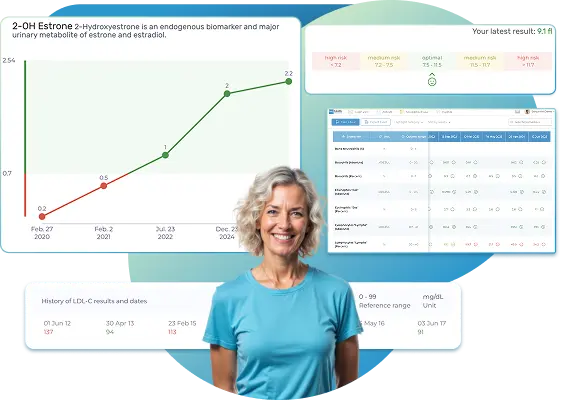
All Your Lab Results.
One Simple Dashboard.
Import, Track, and Share Your Lab Results Easily
Import, Track, and Share Your Lab Results
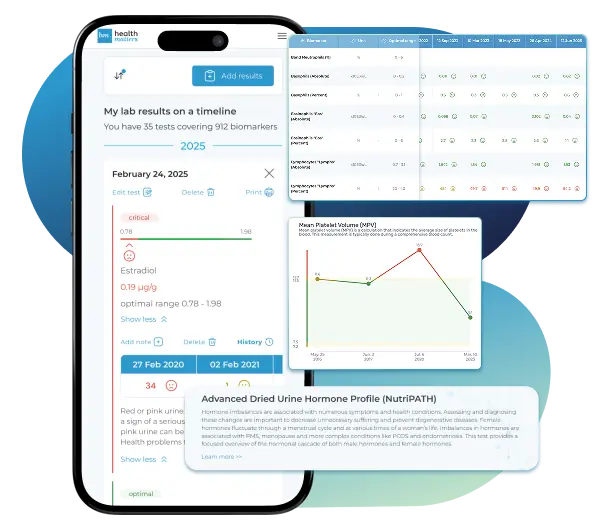
Import lab results from multiple providers, track changes over time, customize your reference ranges, and get clear explanations for each result. Everything is stored securely, exportable in one organized file, and shareable with your doctor—or anyone you choose.
Cancel or upgrade anytime
What does it mean if your Citrulline result is too low?
If aspartic acid, citrulline, and to a lesser extent, arginine are on the low side, these results would be consistent with an elevated rate of consumption of amino acids for fuel. They are all involved in the urea cycle, which converts ammonia to urea. Ammonia is generated when amino acids are burned as fuel.
Article Review & Sources
All our content is backed by peer-reviewed studies, academic research, and trusted medical sources. We're committed to accuracy and transparency — see our editorial policy for details.
Laboratories
Bring All Your Lab Results Together — In One Place
We accept reports from any lab, so you can easily collect and organize all your health information in one secure spot.











Pricing Table
Gather Your Lab History — and Finally Make Sense of It
Finally, Your Lab Results Organized and Clear

Personal plans

$79/ year
Advanced Plan
Access your lab reports, explanations, and tracking tools.
- Import lab results from any provider
- Track all results with visual tools
- Customize your reference ranges
- Export your full lab history anytime
- Share results securely with anyone
- Receive 5 reports entered for you
- Cancel or upgrade anytime
$250/ once
Unlimited Account
Pay once, access everything—no monthly fees, no limits.
- Import lab results from any provider
- Track all results with visual tools
- Customize your reference ranges
- Export your full lab history anytime
- Share results securely with anyone
- Receive 10 reports entered for you
- No subscriptions. No extra fees.
$45/ month
Pro Monthly
Designed for professionals managing their clients' lab reports
- Import lab results from any provider
- Track lab results for multiple clients
- Customize reference ranges per client
- Export lab histories and reports
- Begin with first report entered by us
- Cancel or upgrade anytime
About membership
What's included in a Healthmatters membership
 Import Lab Results from Any Source
 See Your Health Timeline
 Understand What Your Results Mean

 Visualize Your Results

 Data Entry Service for Your Reports
 Securely Share With Anyone You Trust
Let Your Lab Results Tell the Full Story
Once your results are in one place, see the bigger picture — track trends over time, compare data side by side, export your full history, and share securely with anyone you trust.




Bring all your results together to compare, track progress, export your history, and share securely.
What Healthmatters Members Are Saying

I have been using Healthmatters.io since 2021. I travel all over the world and use different doctors and health facilities. This site has allowed me to consolidate all my various test results over 14 years in one place. And every doctor that I show this to has been impressed. Because with any health professional I talk to, I can pull up historical results in seconds. It is invaluable. Even going back to the same doctor, they usually do not have the historical results from their facility in a graph format. That has been very helpful.
Anthony
Unlimited Plan Member since 2021
What fantastic service and great, easy-to-follow layouts! I love your website; it makes it so helpful to see patterns in my health data. It's truly a pleasure to use. I only wish the NHS was as organized and quick as Healthmatters.io. You've set a new standard for health tracking!
Karin
Advanced Plan Member since 2020
As a PRO member and medical practitioner, Healthmatters.io has been an invaluable tool for tracking my clients' data. The layout is intuitive, making it easy to monitor trends and spot patterns over time. The ability to customize reports and charts helps me present information clearly to my clients, improving communication and outcomes. It's streamlined my workflow, saving me time and providing insights at a glance. Highly recommended for any practitioner looking for a comprehensive and user-friendly solution to track patient labs!
Paul
Healthmatters Pro Member since 2024

We implement proven measures to keep your data safe.
At HealthMatters, we're committed to maintaining the security and confidentiality of your personal information. We've put industry-leading security standards in place to help protect against the loss, misuse, or alteration of the information under our control. We use procedural, physical, and electronic security methods designed to prevent unauthorized people from getting access to this information. Our internal code of conduct adds additional privacy protection. All data is backed up multiple times a day and encrypted using SSL certificates. See our Privacy Policy for more details.