
Aluminum, Urine
 Optimal Result:
0 - 30 ug/g.
Optimal Result:
0 - 30 ug/g.

The major tissue sites of aluminum toxicity are the nervous system, immune system, bone, liver, and red blood cells. Aluminum may also interfere with heme (porphyrin) synthesis. Consequences of aluminum toxicity are encephalopathy and abnormal speech, myoclonic jerks, convulsions, and a predisposition to osteomalacic fractures.
Exposure to aluminum is ubiquitous via food, water, air and soil. Aluminum is used to produce beverage cans, cooking pots, siding, roofing, aluminum foil and airplanes. Further, it is found in antacids, buffered aspirin, food additives (especially in grains and cheeses), astringents, vaccinations, cat litter, antiperspirants, infant formula, and baking soda.
Aluminum has been detected in calcium, magnesium, and phosphate salts used in parenteral solutions, and it has been found high in lung tissue as a result of tobacco and cannabis smoke inhalation.
When aluminum is used in water treatment facilities, concentration in community water supplies can reach 93 µmol/L (2,500 µg/L).
Though not proven as a causative agent, it is striking that the neurofibrillary tangles of neurons that characterize the brains of Alzheimer’s patients (as well as in patients with amyotrophic lateral sclerosis and Parkinson’s and Huntington’s diseases) accumulate aluminum.
A study group with aluminum exposure had higher vanylmandelic and homovanillic acids in urine and were significantly different from controls on neurobehavioral tests. Aluminum replaces calcium in bone, disrupting normal osteoid formation and mineralization.
Assessing copper, zinc, and iron status helps to determine a patient’s vulnerability to the toxic effects of aluminum, and appropriate elemental treatments may help to overcome aluminum toxicity. Testing for anemia is indicated in patients with high RBC, plasma, or serum aluminum. Higher plasma aluminum is seen in infants fed soy formula compared with breast-fed infants. Serum, erythrocyte, and plasma aluminum levels appear to correlate. Serum aluminum levels above 5 μmol/L (135 μg/L) are predictive of aluminum toxicity. Testing for anemia is indicated in patients with high blood levels of aluminum. High hair aluminum has been shown in aluminum toxicity and therefore, a high value in hair likely reflects a regular source of exposure and should be eliminated. Urinary aluminum can provide information about aluminum intake and has been used to monitor humans exposed to dangerous amounts of aluminum. Because aluminum is ubiquitous in the environment, contamination of a patient’s specimen with aluminum is possible when collection containers are opened in living and work environments.
Desferrioxamine (DFO) is a chelator of aluminum and iron that has been used to treat acute aluminum toxicity. In fact, cases of aluminum toxicity are managed similarly to iron toxicity. DFO decreased RBC and plasma aluminum and improved hemoglobin, hematocrit, and mean cell volume in 13 patients.
Chelation treatment with desferrioxamine should be handled conservatively due to the risk of inadvertently mobilizing large amounts of aluminum to the brain, which may enhance encephalopathy or a chemical interaction.
The chelator, L1 (1,2-dimethyl-1,3-hydroxypyrid-4-one deferiprone or DMHP) has also been used to lower aluminum total-body burden. Ascorbate combined with DFO has been used to remove aluminum from human brain cells. Glycine has been used to help mobilize aluminum. As discussed above, it is important to assure adequate status of essential elements (calcium, iron, copper, zinc). Silicon is an antagonist of aluminum. Further testing of an aluminum-toxic patient might involve measurement of bone resorption, urinary catecholamines, oxidative stress, and even vitamin D.
Lab Results Explained and Tracked
What does it mean if your Aluminum, Urine result is too high?
Associated Symptoms and Diseases:
Abnormal speech, myoclonic jerks, osteomalacia, progressive encephalopathy, Alzheimer’s disease, Parkinson’s disease
Sources:
Aluminum cookware, antacids, drinking water, tobacco, and cannabis smoke
Protective Measures:
Adequate iron (check ferritin), glycine, calcium, phosphorus (lowers intestinal absorption)
Chelating Agents:
DFO, DMHP
---------------------
When ingested aluminum (Al) is primarly excreted through urine, meaning high toxicology readings of aluminum in an individual's urine is an effective indicator of abnormally high amounts of aluminum intake.
Bioavailable aluminum can be contracted through a series of commonly found sources. Urban drinking water is often treated with aluminum to disinfect it against harmful organisms and improve water clarity, while some cosmetics, especially deodorants, contain aluminum for its antiperspirant qualities.
Aluminum is known to leach from cookware, such as frying pans and coffee pots, meaning these aluminum appliances will dissolve some of their metal into the foods they cook, especially in highly acidic foods like tomato.
Aluminum accumulates in the body throughout a person's lifetime, with an abundance of aluminum potentially leading to the development of multiple negative symptoms. For example, aluminum as an element is naturally drawn to phosphorous molecules, and on a cellular level the nucleus contains the highest concentration of phosphate within a cell, causing cases of elevated aluminum levels to disrupt the formation of proteins within the body.
Aluminum is also speculated to be a neurotoxin that potentially contributes to the cause of Alzheimer's disease. Fatigue, porphyria, and hypophosphatemia are all possible results of excessive aluminum levels as well.
If necessary, a hair element test is another efficient means of determining an individual's exposure to aluminum.
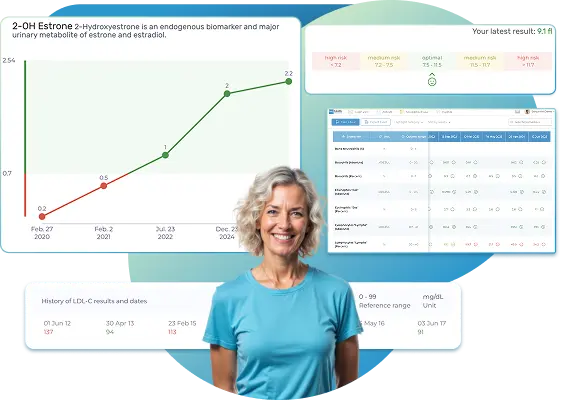
All Your Lab Results.
One Simple Dashboard.
Import, Track, and Share Your Lab Results Easily
Import, Track, and Share Your Lab Results
Import lab results from multiple providers, track changes over time, customize your reference ranges, and get clear explanations for each result. Everything is stored securely, exportable in one organized file, and shareable with your doctor—or anyone you choose.
Cancel or upgrade anytime
Article Review & Sources
All our content is backed by peer-reviewed studies, academic research, and trusted medical sources. We're committed to accuracy and transparency — see our editorial policy for details.
Laboratories
Bring All Your Lab Results Together — In One Place
We accept reports from any lab, so you can easily collect and organize all your health information in one secure spot.











Pricing Table
Gather Your Lab History — and Finally Make Sense of It
Finally, Your Lab Results Organized and Clear

Personal plans

$79/ year
Advanced Plan
Access your lab reports, explanations, and tracking tools.
- Import lab results from any provider
- Track all results with visual tools
- Customize your reference ranges
- Export your full lab history anytime
- Share results securely with anyone
- Receive 5 reports entered for you
- Cancel or upgrade anytime
$250/ once
Unlimited Account
Pay once, access everything—no monthly fees, no limits.
- Import lab results from any provider
- Track all results with visual tools
- Customize your reference ranges
- Export your full lab history anytime
- Share results securely with anyone
- Receive 10 reports entered for you
- No subscriptions. No extra fees.
$45/ month
Pro Monthly
Designed for professionals managing their clients' lab reports
- Import lab results from any provider
- Track lab results for multiple clients
- Customize reference ranges per client
- Export lab histories and reports
- Begin with first report entered by us
- Cancel or upgrade anytime
About membership
What's included in a Healthmatters membership
 Import Lab Results from Any Source
 See Your Health Timeline
 Understand What Your Results Mean

 Visualize Your Results

 Data Entry Service for Your Reports
 Securely Share With Anyone You Trust
Let Your Lab Results Tell the Full Story
Once your results are in one place, see the bigger picture — track trends over time, compare data side by side, export your full history, and share securely with anyone you trust.




Bring all your results together to compare, track progress, export your history, and share securely.
What Healthmatters Members Are Saying

I have been using Healthmatters.io since 2021. I travel all over the world and use different doctors and health facilities. This site has allowed me to consolidate all my various test results over 14 years in one place. And every doctor that I show this to has been impressed. Because with any health professional I talk to, I can pull up historical results in seconds. It is invaluable. Even going back to the same doctor, they usually do not have the historical results from their facility in a graph format. That has been very helpful.
Anthony
Unlimited Plan Member since 2021
What fantastic service and great, easy-to-follow layouts! I love your website; it makes it so helpful to see patterns in my health data. It's truly a pleasure to use. I only wish the NHS was as organized and quick as Healthmatters.io. You've set a new standard for health tracking!
Karin
Advanced Plan Member since 2020
As a PRO member and medical practitioner, Healthmatters.io has been an invaluable tool for tracking my clients' data. The layout is intuitive, making it easy to monitor trends and spot patterns over time. The ability to customize reports and charts helps me present information clearly to my clients, improving communication and outcomes. It's streamlined my workflow, saving me time and providing insights at a glance. Highly recommended for any practitioner looking for a comprehensive and user-friendly solution to track patient labs!
Paul
Healthmatters Pro Member since 2024

We implement proven measures to keep your data safe.
At HealthMatters, we're committed to maintaining the security and confidentiality of your personal information. We've put industry-leading security standards in place to help protect against the loss, misuse, or alteration of the information under our control. We use procedural, physical, and electronic security methods designed to prevent unauthorized people from getting access to this information. Our internal code of conduct adds additional privacy protection. All data is backed up multiple times a day and encrypted using SSL certificates. See our Privacy Policy for more details.