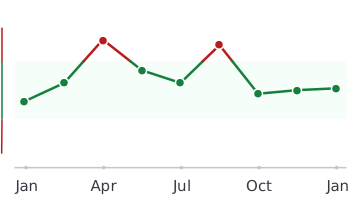
Low urinary zinc is not likely to correspond to global zinc deficiency because the major route for zinc excretion is via the bile, intestinal transport and feces. Typically, from two to ten percent of total zinc excretion occurs via urine; a similar amount occurs in sweat; the remainder (about 80 to 95%) occurs via biliary secretion to the intestine and is excreted in feces. Urine levels may fluctuate without reflecting or influencing body stores.
Zinc can be low (along with other elements) in urine in renal insufficiency. Creatinine clearance and blood metabolite levels should be measured if a renal transport disorder is suspected.
Low urine zinc may be a consequence of: junk food diet or highly-processed food diet, gastrointestinal dysfunctions, excess dietary copper or iron (impairing intestinal uptake of zinc), excess dietary fiber or folate (particularly if dietary zinc level is low to begin with), and inadequate levels of binding ligands for Zn uptake. Binding ligands are: citrate, histidine, cysteine, other organic and amino acids. Excessive loss of zinc to sweating during prolonged physical exertion can cause temporary, low levels of urinary zinc. It has been demonstrated experimentally that lead and nickel increase zinc excretion and that zinc deficiency enhances absorption of lead.
Symptoms and manifestations of zinc deficiency include: impaired sense of taste and/or smell, poor visual adaptation to darkness, slowed hair growth or hair loss, slowed wound healing, subnormal sperm count, loss of libido, immune suppression (poor neutrophil function, low phagocytic activity), poor appetite, anorexia in severely Zn-deficient individuals, and cessation of growth.
Other laboratory tests that are useful in assessing zinc adequacy include: measurement of zinc in whole blood or erythrocytes. RBC Zn is low in chronic Zn deficiency but is not low in short term depletion conditions. Hair zinc analysis can be confirmatory: low means low, but elevated hair zinc often appears to reflect maldistribution and need for zinc. Due to the high affinities of EDTA, DMPS and DMSA, low urinary zinc after administration of these chelating agents is suggestive of zinc deficiency. Other clinical findings that would be consistent with zinc insufficiency include: enlarged prostate, myalgia, (mild) lactic acidosis, history of alcoholism, failure to thrive (infants, children), protein malabsorption, acrodermatitis enteropathica, and subnormal plasma/serum protein levels.

 Zinc