
Tryptamine
 Optimal Result:
0.2 - 0.9 umol/g.
Optimal Result:
0.2 - 0.9 umol/g.

What is Tryptamine?
Tryptamine is a naturally occurring compound in the body that belongs to the indoleamine family, which is closely related to neurotransmitters like serotonin (5-HT) and melatonin. Structurally, tryptamine is derived from the essential amino acid tryptophan, and it acts as both a metabolic byproduct and a signaling molecule in the brain and gut.
Although tryptamine itself is not one of the primary neurotransmitters, it serves as a building block and modulator for several important neurochemicals that regulate mood, sleep, cognition, and gut function. In recent years, tryptamine has also been recognized for its role in the gut-brain axis, where it can influence serotonin release and communication between intestinal microbes and the nervous system.
Why is Tryptamine Measured in Urine?
Urinary measurement of tryptamine provides insights into:
-
Serotonin metabolism – since tryptamine is an intermediate in the biochemical pathway of serotonin and melatonin.
-
Gut microbiome activity – certain bacteria in the digestive tract produce tryptamine, linking results to gastrointestinal and microbiome health.
-
Neurotransmitter balance – abnormal levels can reflect imbalances in mood-regulating pathways and stress response.
This marker helps clinicians assess whether neurotransmitter imbalances are contributing to symptoms such as anxiety, depression, insomnia, fatigue, or digestive disturbances.
Factors That Influence Tryptamine Levels
Several lifestyle, biological, and environmental factors can affect tryptamine results:
-
Dietary protein and tryptophan intake (e.g., turkey, eggs, seeds, legumes)
-
Gut microbiome composition (presence of bacteria that metabolize tryptophan into tryptamine)
-
Chronic stress and cortisol levels
-
Inflammation and immune activity (which shift tryptophan metabolism toward kynurenine instead of serotonin/tryptamine)
-
Genetic differences in enzymes (e.g., tryptophan decarboxylase)
Supporting Healthy Tryptamine Balance
If imbalances are detected, possible strategies may include:
-
Optimizing tryptophan intake – through a balanced diet or supplementation (if appropriate).
-
Gut health support – probiotics, prebiotics, and reducing dysbiosis may help regulate microbial tryptamine production.
-
Stress management – mindfulness, exercise, and adequate sleep support balanced serotonin turnover.
-
Addressing inflammation – working with a clinician to identify chronic inflammatory drivers that may shift tryptophan metabolism.
Key Takeaway
Tryptamine is a lesser-known but important biochemical marker that connects neurotransmitter health, gut microbiome activity, and mood regulation. Abnormal levels may reflect serotonin pathway imbalances, stress physiology, or gut-related changes. Interpreting tryptamine in context with other neurotransmitters (such as serotonin, dopamine, and GABA) helps provide a fuller picture of an individual’s neurochemical balance and overall well-being.
Would you like me to also draft a shorter tooltip-style version for use in HealthMatters.io test result pages, alongside this long-form copy? That way you’ll have both patient-friendly educational depth and a quick-scan summary.
Lab Results Explained and Tracked
What does it mean if your Tryptamine result is too high?
High Tryptamine Levels – What They Mean
Elevated urinary tryptamine may signal changes in serotonin metabolism, gut health, or stress response. High levels often indicate:
-
Increased serotonin turnover – the body is breaking down serotonin more rapidly.
-
Gut microbial overproduction – certain bacteria convert tryptophan into tryptamine, often linked to dysbiosis or altered gut function.
-
Stress or inflammation – chronic stress can shift tryptophan metabolism toward tryptamine production.
-
Neurological effects – excess tryptamine may disrupt brain signaling, potentially influencing mood, sleep, and cognition.
Possible clinical associations include:
-
Anxiety, irritability, or mood swings
-
Sleep disruption or insomnia
-
IBS-like digestive issues
-
Increased intestinal serotonin activity
Contributing Factors
-
Gut dysbiosis and microbial imbalance
-
Chronic stress or inflammation
-
Excessive dietary tryptophan (less common)
Supportive Strategies
Balancing tryptamine involves addressing both gut and brain health. Helpful approaches may include:
-
Gut health support – probiotics, prebiotics, and, if appropriate, antimicrobial therapies
-
Stress management – mindfulness, restorative sleep, and regular exercise
-
Anti-inflammatory nutrition – omega-3 fatty acids, curcumin, and other targeted nutrients
-
Dietary balance – ensuring adequate but not excessive protein and tryptophan intake
Because elevated tryptamine may have multiple causes, it is best interpreted in the context of other neurotransmitter markers. A qualified clinician can help identify the root cause and guide personalized treatment.
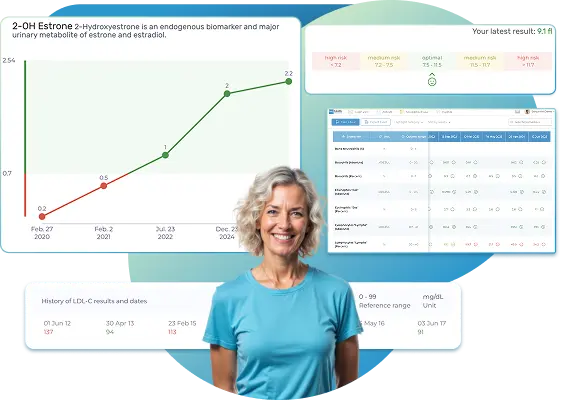
All Your Lab Results.
One Simple Dashboard.
Import, Track, and Share Your Lab Results Easily
Import, Track, and Share Your Lab Results
Import lab results from multiple providers, track changes over time, customize your reference ranges, and get clear explanations for each result. Everything is stored securely, exportable in one organized file, and shareable with your doctor—or anyone you choose.
Cancel or upgrade anytime
What does it mean if your Tryptamine result is too low?
Low Tryptamine Levels – What They Mean
Tryptamine is produced from the amino acid tryptophan with the help of a vitamin B6–dependent enzyme. Low levels may indicate issues with neurotransmitter balance and mood regulation.
Possible reasons for reduced tryptamine include:
-
Low tryptophan intake or absorption – not getting enough dietary tryptophan or poor digestive uptake.
-
Vitamin B6 deficiency – especially if tryptophan levels are normal or high but tryptamine remains low.
-
Impaired serotonin and melatonin synthesis – leading to low mood, fatigue, or disrupted sleep.
-
Reduced gut microbial production – microbiome imbalances can also lower tryptamine availability.
Possible clinical associations include:
-
Depressed mood or low motivation
-
Fatigue or brain fog
-
Poor sleep quality or insomnia
-
Reduced stress resilience
Contributing Factors
-
Low dietary protein or amino acid imbalance
-
Vitamin B6 deficiency
-
Malabsorption or digestive dysfunction
-
Chronic inflammation shifting tryptophan metabolism away from serotonin/tryptamine
Supportive Strategies
Addressing low tryptamine may include:
-
Optimizing tryptophan intake – through balanced diet or supplementation as advised
-
Correcting vitamin B6 status – essential for converting tryptophan into tryptamine
-
Gut health support – improving digestion and microbiome balance
-
Stress and inflammation management – lifestyle strategies and nutrients that reduce oxidative stress
Low tryptamine is best interpreted in context with other neurotransmitter markers to guide effective, personalized care.
Article Review & Sources
All our content is backed by peer-reviewed studies, academic research, and trusted medical sources. We're committed to accuracy and transparency — see our editorial policy for details.
Laboratories
Bring All Your Lab Results Together — In One Place
We accept reports from any lab, so you can easily collect and organize all your health information in one secure spot.










Pricing Table
Gather Your Lab History — and Finally Make Sense of It
Finally, Your Lab Results Organized and Clear

Personal plans

$79/ year
Advanced Plan
Access your lab reports, explanations, and tracking tools.
- Import lab results from any provider
- Track all results with visual tools
- Customize your reference ranges
- Export your full lab history anytime
- Share results securely with anyone
- Receive 5 reports entered for you
- Cancel or upgrade anytime
$250/ once
Unlimited Account
Pay once, access everything—no monthly fees, no limits.
- Import lab results from any provider
- Track all results with visual tools
- Customize your reference ranges
- Export your full lab history anytime
- Share results securely with anyone
- Receive 10 reports entered for you
- No subscriptions. No extra fees.
$45/ month
Pro Monthly
Designed for professionals managing their clients' lab reports
- Import lab results from any provider
- Track lab results for multiple clients
- Customize reference ranges per client
- Export lab histories and reports
- Begin with first report entered by us
- Cancel or upgrade anytime
About membership
What's included in a Healthmatters membership
 Import Lab Results from Any Source
 See Your Health Timeline
 Understand What Your Results Mean

 Visualize Your Results

 Data Entry Service for Your Reports
 Securely Share With Anyone You Trust
Let Your Lab Results Tell the Full Story
Once your results are in one place, see the bigger picture — track trends over time, compare data side by side, export your full history, and share securely with anyone you trust.




Bring all your results together to compare, track progress, export your history, and share securely.
What Healthmatters Members Are Saying

I have been using Healthmatters.io since 2021. I travel all over the world and use different doctors and health facilities. This site has allowed me to consolidate all my various test results over 14 years in one place. And every doctor that I show this to has been impressed. Because with any health professional I talk to, I can pull up historical results in seconds. It is invaluable. Even going back to the same doctor, they usually do not have the historical results from their facility in a graph format. That has been very helpful.
Anthony
Unlimited Plan Member since 2021
What fantastic service and great, easy-to-follow layouts! I love your website; it makes it so helpful to see patterns in my health data. It's truly a pleasure to use. I only wish the NHS was as organized and quick as Healthmatters.io. You've set a new standard for health tracking!
Karin
Advanced Plan Member since 2020
As a PRO member and medical practitioner, Healthmatters.io has been an invaluable tool for tracking my clients' data. The layout is intuitive, making it easy to monitor trends and spot patterns over time. The ability to customize reports and charts helps me present information clearly to my clients, improving communication and outcomes. It's streamlined my workflow, saving me time and providing insights at a glance. Highly recommended for any practitioner looking for a comprehensive and user-friendly solution to track patient labs!
Paul
Healthmatters Pro Member since 2024

We implement proven measures to keep your data safe.
At HealthMatters, we're committed to maintaining the security and confidentiality of your personal information. We've put industry-leading security standards in place to help protect against the loss, misuse, or alteration of the information under our control. We use procedural, physical, and electronic security methods designed to prevent unauthorized people from getting access to this information. Our internal code of conduct adds additional privacy protection. All data is backed up multiple times a day and encrypted using SSL certificates. See our Privacy Policy for more details.