
 Optimal Result:
0 - 0.35 kU/L.
Optimal Result:
0 - 0.35 kU/L.

The Scallop (F338) IgE test measures your immune system’s sensitivity to proteins found in scallops — a type of shellfish belonging to the mollusk family. This test specifically detects immunoglobulin E (IgE) antibodies that your body may produce in response to scallop allergens.
When someone with a scallop allergy eats scallops (or sometimes even comes into contact with them through cooking vapors or cross-contaminated utensils), their immune system can mistakenly identify scallop proteins as harmful. This triggers an IgE-mediated allergic reaction, releasing histamine and other chemicals that cause allergy symptoms.
Why Scallop IgE is Tested
Scallop allergy is a relatively common shellfish allergy, especially in adults. It often occurs alongside allergies to other mollusks (like clams, oysters, and mussels) or crustaceans (like shrimp, crab, and lobster).
This test helps:
-
Identify whether your allergic symptoms are related to scallop consumption.
-
Distinguish between mollusk and crustacean allergies.
-
Guide dietary recommendations and safety measures for people with suspected shellfish allergies.
-
Monitor changes in IgE levels over time to assess if sensitivity is increasing, stable, or improving.
Understanding Your Results
1. Elevated Scallop (F338) IgE:
A higher-than-normal level of scallop-specific IgE suggests sensitization to scallop proteins. This means your immune system has developed antibodies that recognize scallop as a potential threat.
However, sensitization does not always mean you will have symptoms when exposed — it indicates a risk of allergic reaction.
If you experience symptoms such as:
-
Hives, itching, or swelling (especially around the mouth or face)
-
Nausea, vomiting, or abdominal pain
-
Wheezing, coughing, or shortness of breath
-
Dizziness or anaphylaxis (in severe cases)
…then elevated Scallop IgE levels likely confirm a true scallop allergy. Avoidance of scallops and possibly all mollusks is typically recommended.
2. Normal or Undetectable Scallop (F338) IgE:
Low or undetectable IgE levels suggest that you’re unlikely to have an IgE-mediated scallop allergy. However, non-IgE-mediated reactions or food intolerances (which do not involve the immune system) can still occur and cause digestive discomfort or delayed symptoms.
Cross-Reactivity with Other Shellfish
Scallop allergy often overlaps with other shellfish sensitivities due to shared allergenic proteins such as tropomyosin, arginine kinase, and myosin light chain.
Cross-reactivity means that if you’re allergic to scallops, you might also react to:
-
Clams
-
Mussels
-
Oysters
-
Snails
-
Squid
-
Octopus
And in some cases, to crustaceans like shrimp or lobster.
Allergy testing for multiple shellfish species can help clarify your specific sensitivities.
Clinical and Lifestyle Implications
-
Strict avoidance of scallops and other related shellfish is the main treatment.
-
Read ingredient labels carefully — scallops can appear in mixed seafood dishes, soups, sauces, and restaurant-prepared meals.
-
Inform restaurants and food handlers about your allergy to prevent cross-contamination.
-
Carry an epinephrine auto-injector (EpiPen) if you’ve had moderate to severe reactions.
-
Work with an allergist to confirm your results through clinical evaluation or an oral food challenge if necessary.
Additional Notes
-
Scallop (F338) IgE testing is often performed using ImmunoCAP or similar technologies that quantify allergen-specific IgE antibodies in kilounits per liter (kU/L).
-
Results should always be interpreted alongside clinical history, symptom presentation, and other shellfish-specific IgE results.
-
If multiple shellfish markers are elevated, your healthcare provider may recommend a comprehensive shellfish avoidance plan and possible nutritional guidance to compensate for lost dietary protein or minerals.
Key Takeaway
A positive Scallop (F338) IgE result indicates that your immune system recognizes scallop proteins as allergens, suggesting a risk for allergic reactions upon exposure. Because shellfish allergies can be lifelong and sometimes severe, accurate diagnosis, avoidance strategies, and emergency preparedness are essential for safety and long-term health.
Lab Results Explained and Tracked
What does it mean if your Scallop IgE result is too high?
An elevated Scallop (F338) IgE level indicates that your immune system has produced a higher-than-normal amount of immunoglobulin E (IgE) antibodies that specifically target proteins found in scallops. This response suggests sensitization or allergy to scallop — a type of shellfish in the mollusk family.
When scallop proteins enter the body, a sensitized immune system recognizes them as harmful and releases inflammatory chemicals such as histamine, triggering allergy symptoms that can range from mild to severe.
Possible Symptoms of a Scallop Allergy
Reactions can occur within minutes to hours after eating scallops or foods contaminated with scallop proteins. Common symptoms include:
-
Itching or tingling in the mouth
-
Hives, skin redness, or swelling (especially of the lips, eyes, or face)
-
Nausea, vomiting, or abdominal cramping
-
Coughing, wheezing, or shortness of breath
-
Dizziness, low blood pressure, or loss of consciousness (in severe cases)
In rare but serious instances, scallop allergy can lead to anaphylaxis, a life-threatening reaction that requires immediate emergency care and the use of epinephrine (EpiPen).
Cross-Reactivity and Broader Shellfish Sensitivity
Scallop allergy is part of the mollusk shellfish group, which also includes clams, oysters, mussels, squid, and octopus.
Many individuals with an elevated Scallop (F338) IgE level may also react to other types of shellfish — including crustaceans (like shrimp, crab, and lobster) — because they share similar allergenic proteins such as tropomyosin.
If your scallop IgE is elevated, your healthcare provider may recommend testing for additional shellfish allergens to better understand your risk of cross-reactivity.
Common Triggers and Hidden Sources of Scallop Exposure
Even trace amounts of scallop protein can cause reactions in highly sensitive individuals.
Hidden sources may include:
-
Mixed seafood dishes (paella, seafood soups, chowders)
-
Sauces or broths made with shellfish stock
-
Cross-contamination in restaurant kitchens or seafood markets
-
Frying oils shared with other shellfish products
Reading ingredient labels and communicating your allergy clearly when dining out are key preventive steps.
What to Do if Your Scallop IgE Is Elevated
-
Avoid all scallops and related mollusks unless otherwise advised by your allergist.
-
Inform food handlers and restaurants about your shellfish allergy to prevent accidental exposure.
-
Carry prescribed emergency medication, such as an epinephrine auto-injector, if you have a history of allergic reactions.
-
Consult an allergist for a full evaluation — including possible oral food challenges or testing for other shellfish allergens.
-
Monitor your IgE levels periodically to track changes in sensitivity over time.
Clinical Insight
While elevated IgE indicates an immune response, it does not always confirm the presence of clinical allergy symptoms. Some individuals may test positive for scallop IgE but tolerate small amounts of scallop without issue.
That’s why lab results should always be interpreted in context with your medical history and reaction patterns under the guidance of an allergist or immunologist.
Key Takeaway
An elevated Scallop (F338) IgE result means your immune system is sensitized to scallop proteins and may trigger an allergic reaction upon exposure. Because shellfish allergies are among the most common and potentially severe food allergies, strict avoidance, clear labeling awareness, and emergency preparedness are vital for staying safe.

All Your Lab Results.
One Simple Dashboard.
Import, Track, and Share Your Lab Results Easily
Import, Track, and Share Your Lab Results
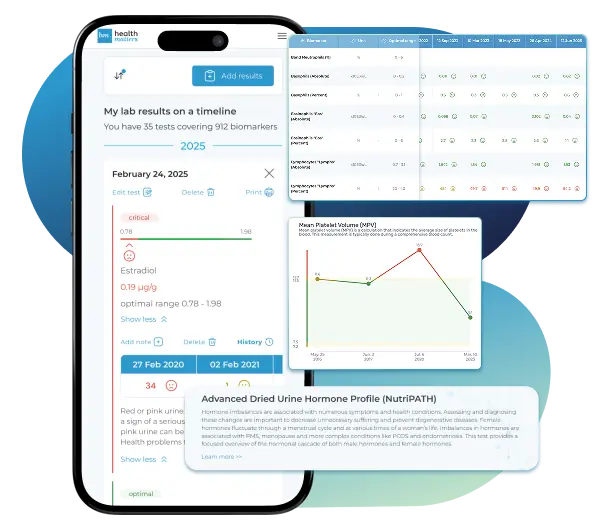
Import lab results from multiple providers, track changes over time, customize your reference ranges, and get clear explanations for each result. Everything is stored securely, exportable in one organized file, and shareable with your doctor—or anyone you choose.
Cancel or upgrade anytime
Article Review & Sources
All our content is backed by peer-reviewed studies, academic research, and trusted medical sources. We're committed to accuracy and transparency — see our editorial policy for details.
Laboratories
Bring All Your Lab Results Together — In One Place
We accept reports from any lab, so you can easily collect and organize all your health information in one secure spot.











Pricing Table
Gather Your Lab History — and Finally Make Sense of It
Finally, Your Lab Results Organized and Clear

Personal plans

$79/ year
Advanced Plan
Access your lab reports, explanations, and tracking tools.
- Import lab results from any provider
- Track all results with visual tools
- Customize your reference ranges
- Export your full lab history anytime
- Share results securely with anyone
- Receive 5 reports entered for you
- Cancel or upgrade anytime
$250/ once
Unlimited Account
Pay once, access everything—no monthly fees, no limits.
- Import lab results from any provider
- Track all results with visual tools
- Customize your reference ranges
- Export your full lab history anytime
- Share results securely with anyone
- Receive 10 reports entered for you
- No subscriptions. No extra fees.
$45/ month
Pro Monthly
Designed for professionals managing their clients' lab reports
- Import lab results from any provider
- Track lab results for multiple clients
- Customize reference ranges per client
- Export lab histories and reports
- Begin with first report entered by us
- Cancel or upgrade anytime
About membership
What's included in a Healthmatters membership
 Import Lab Results from Any Source
 See Your Health Timeline
 Understand What Your Results Mean

 Visualize Your Results

 Data Entry Service for Your Reports
 Securely Share With Anyone You Trust
Let Your Lab Results Tell the Full Story
Once your results are in one place, see the bigger picture — track trends over time, compare data side by side, export your full history, and share securely with anyone you trust.




Bring all your results together to compare, track progress, export your history, and share securely.
What Healthmatters Members Are Saying

I have been using Healthmatters.io since 2021. I travel all over the world and use different doctors and health facilities. This site has allowed me to consolidate all my various test results over 14 years in one place. And every doctor that I show this to has been impressed. Because with any health professional I talk to, I can pull up historical results in seconds. It is invaluable. Even going back to the same doctor, they usually do not have the historical results from their facility in a graph format. That has been very helpful.
Anthony
Unlimited Plan Member since 2021
What fantastic service and great, easy-to-follow layouts! I love your website; it makes it so helpful to see patterns in my health data. It's truly a pleasure to use. I only wish the NHS was as organized and quick as Healthmatters.io. You've set a new standard for health tracking!
Karin
Advanced Plan Member since 2020
As a PRO member and medical practitioner, Healthmatters.io has been an invaluable tool for tracking my clients' data. The layout is intuitive, making it easy to monitor trends and spot patterns over time. The ability to customize reports and charts helps me present information clearly to my clients, improving communication and outcomes. It's streamlined my workflow, saving me time and providing insights at a glance. Highly recommended for any practitioner looking for a comprehensive and user-friendly solution to track patient labs!
Paul
Healthmatters Pro Member since 2024

We implement proven measures to keep your data safe.
At HealthMatters, we're committed to maintaining the security and confidentiality of your personal information. We've put industry-leading security standards in place to help protect against the loss, misuse, or alteration of the information under our control. We use procedural, physical, and electronic security methods designed to prevent unauthorized people from getting access to this information. Our internal code of conduct adds additional privacy protection. All data is backed up multiple times a day and encrypted using SSL certificates. See our Privacy Policy for more details.