
Nucleated Cells, CSF
 Optimal Result:
0 - 4 uL.
Optimal Result:
0 - 4 uL.

Nucleated Cells in Cerebrospinal Fluid (CSF): What They Are and Why They Matter
Nucleated cells in cerebrospinal fluid (CSF) refer to the total number of white blood cells (WBCs) and other nucleus-containing cells present in the fluid surrounding the brain and spinal cord. These cells are counted during a lumbar puncture (spinal tap) and serve as a key indicator of inflammation, infection, or disease within the central nervous system (CNS).
Why It Matters
The presence and number of nucleated cells in the CSF help clinicians determine if there is:
-
Infection (e.g., meningitis, encephalitis)
-
Autoimmune inflammation (e.g., multiple sclerosis, lupus, neurosarcoidosis)
-
Malignancy (e.g., leukemia, lymphoma with CNS involvement)
-
Trauma or bleeding (e.g., subarachnoid hemorrhage)
-
Other causes (e.g., post-seizure, recent stroke, neurosurgery, or rare conditions like eosinophilic meningitis)
Normal Range
-
Healthy adults: 0–5 nucleated cells/µL
(Note: Reference ranges may vary slightly by laboratory and patient age.) -
Higher counts are considered abnormal and typically warrant further evaluation.
What Elevated Nucleated Cell Counts May Indicate
| Condition | Typical CSF Nucleated Cell Pattern |
|---|---|
| Bacterial meningitis | Very high WBC count, mostly neutrophils |
| Viral meningitis/encephalitis | Moderate WBC count, mostly lymphocytes |
| Multiple sclerosis | Mild increase, mostly lymphocytes |
| Fungal or TB meningitis | Elevated count, lymphocyte-predominant |
| CNS malignancy | Variable; may see abnormal mononuclear cells or blasts |
| Neurosarcoidosis | Elevated CD4/CD8 T-cell ratio, lymphocyte-predominant |
| Eosinophilic meningitis | Presence of eosinophils (parasitic/fungal/autoimmune) |
| Subarachnoid hemorrhage | RBCs and reactive pleocytosis |
| Post-seizure/stroke/surgery | Mild, transient elevation (reactive pleocytosis) |
Key Considerations
-
Cell type differential: Determining whether neutrophils, lymphocytes, monocytes, or eosinophils predominate helps narrow the diagnosis.
-
Interpretation context: Nucleated cell counts should always be interpreted alongside other CSF parameters, including:
-
Glucose
-
Protein
-
Red blood cells
-
Microbiological studies (cultures, PCR for infection)
-
Cytology (for malignancy)
-
-
Special notes:
-
Traumatic lumbar punctures (bloody taps) can introduce blood and WBCs, complicating interpretation.
-
Some non-infectious conditions (e.g., recent seizures, stroke, or neurosurgery) can cause mild, transient increases in nucleated cells.
-
Takeaway
The nucleated cell count in CSF is a vital marker of immune system activity within the brain and spinal cord. Elevated levels often point to infection, inflammation, malignancy, or other CNS pathology, and always require interpretation in the context of other laboratory findings and clinical symptoms. A normal count generally suggests no active CNS inflammation or infection, but results must be considered alongside the patient’s overall clinical picture.
Lab Results Explained and Tracked
What does it mean if your Nucleated Cells, CSF result is too high?
Elevated Nucleated Cells in CSF (Pleocytosis)
An elevated level of nucleated cells in cerebrospinal fluid (CSF)—a condition known as pleocytosis—indicates an abnormal immune or inflammatory response within the central nervous system (CNS). This finding is significant and often points to one of the following conditions:
-
Infection:
Common causes include bacterial, viral, fungal, or parasitic infections such as meningitis or encephalitis.-
Bacterial infections often produce a very high white blood cell (WBC) count, predominantly neutrophils.
-
Viral infections usually cause a moderate increase, with mostly lymphocytes present.
-
-
Inflammation (Autoimmune or Inflammatory Disease):
Conditions like multiple sclerosis, lupus, or neurosarcoidosis can lead to a mild to moderate elevation, typically with lymphocyte predominance. -
Malignancy:
Cancers affecting the CNS—such as leukemia or lymphoma—may cause an increase in nucleated cells, sometimes accompanied by abnormal or immature cells. -
Bleeding or Trauma:
A subarachnoid hemorrhage, traumatic lumbar puncture, or recent brain/spinal injury may elevate nucleated cells, often along with red blood cells. -
Other Non-Infectious Causes:
Seizures, stroke, or recent neurosurgical procedures can result in transient, mild elevations in nucleated cell count.
Summary:
An elevated CSF nucleated cell count is a critical diagnostic clue, indicating that something abnormal is occurring within the brain or spinal cord. Whether due to infection, inflammation, cancer, or trauma, this finding requires further evaluation through clinical correlation and additional testing to determine the precise cause.
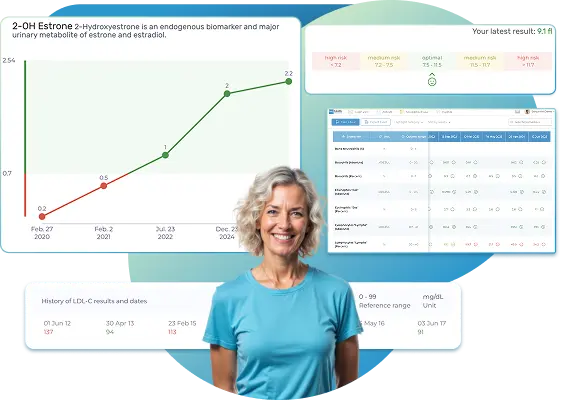
All Your Lab Results.
One Simple Dashboard.
Import, Track, and Share Your Lab Results Easily
Import, Track, and Share Your Lab Results
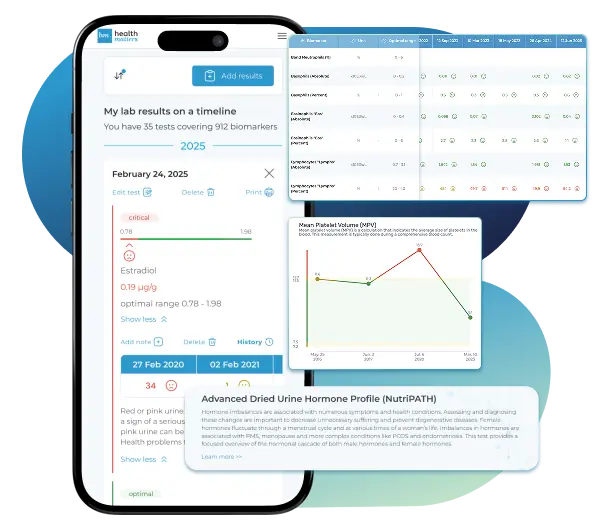
Import lab results from multiple providers, track changes over time, customize your reference ranges, and get clear explanations for each result. Everything is stored securely, exportable in one organized file, and shareable with your doctor—or anyone you choose.
Cancel or upgrade anytime
Related Biomarkers
Article Review & Sources
All our content is backed by peer-reviewed studies, academic research, and trusted medical sources. We're committed to accuracy and transparency — see our editorial policy for details.
Laboratories
Bring All Your Lab Results Together — In One Place
We accept reports from any lab, so you can easily collect and organize all your health information in one secure spot.











Pricing Table
Gather Your Lab History — and Finally Make Sense of It
Finally, Your Lab Results Organized and Clear

Personal plans

$79/ year
Advanced Plan
Access your lab reports, explanations, and tracking tools.
- Import lab results from any provider
- Track all results with visual tools
- Customize your reference ranges
- Export your full lab history anytime
- Share results securely with anyone
- Receive 5 reports entered for you
- Cancel or upgrade anytime
$250/ once
Unlimited Account
Pay once, access everything—no monthly fees, no limits.
- Import lab results from any provider
- Track all results with visual tools
- Customize your reference ranges
- Export your full lab history anytime
- Share results securely with anyone
- Receive 10 reports entered for you
- No subscriptions. No extra fees.
$45/ month
Pro Monthly
Designed for professionals managing their clients' lab reports
- Import lab results from any provider
- Track lab results for multiple clients
- Customize reference ranges per client
- Export lab histories and reports
- Begin with first report entered by us
- Cancel or upgrade anytime
About membership
What's included in a Healthmatters membership
 Import Lab Results from Any Source
 See Your Health Timeline
 Understand What Your Results Mean

 Visualize Your Results

 Data Entry Service for Your Reports
 Securely Share With Anyone You Trust
Let Your Lab Results Tell the Full Story
Once your results are in one place, see the bigger picture — track trends over time, compare data side by side, export your full history, and share securely with anyone you trust.




Bring all your results together to compare, track progress, export your history, and share securely.
What Healthmatters Members Are Saying

I have been using Healthmatters.io since 2021. I travel all over the world and use different doctors and health facilities. This site has allowed me to consolidate all my various test results over 14 years in one place. And every doctor that I show this to has been impressed. Because with any health professional I talk to, I can pull up historical results in seconds. It is invaluable. Even going back to the same doctor, they usually do not have the historical results from their facility in a graph format. That has been very helpful.
Anthony
Unlimited Plan Member since 2021
What fantastic service and great, easy-to-follow layouts! I love your website; it makes it so helpful to see patterns in my health data. It's truly a pleasure to use. I only wish the NHS was as organized and quick as Healthmatters.io. You've set a new standard for health tracking!
Karin
Advanced Plan Member since 2020
As a PRO member and medical practitioner, Healthmatters.io has been an invaluable tool for tracking my clients' data. The layout is intuitive, making it easy to monitor trends and spot patterns over time. The ability to customize reports and charts helps me present information clearly to my clients, improving communication and outcomes. It's streamlined my workflow, saving me time and providing insights at a glance. Highly recommended for any practitioner looking for a comprehensive and user-friendly solution to track patient labs!
Paul
Healthmatters Pro Member since 2024

We implement proven measures to keep your data safe.
At HealthMatters, we're committed to maintaining the security and confidentiality of your personal information. We've put industry-leading security standards in place to help protect against the loss, misuse, or alteration of the information under our control. We use procedural, physical, and electronic security methods designed to prevent unauthorized people from getting access to this information. Our internal code of conduct adds additional privacy protection. All data is backed up multiple times a day and encrypted using SSL certificates. See our Privacy Policy for more details.