Optimal Result:
6 - 50 µU/mL.
Optimal Result:
6 - 50 µU/mL.

What this test measures
Insulin 2-hr is the amount of insulin circulating in your blood two hours after consuming a standardized glucose drink (typically 75 grams). After you ingest glucose, insulin is released from the pancreas to help move sugar into cells. The 2-hour insulin level shows how much insulin is still needed to control blood sugar after the initial spike.
This marker is especially useful for identifying early insulin resistance—even when glucose levels still appear normal.
Why Insulin 2-hr matters
Many people develop insulin resistance years before glucose or HbA1c becomes abnormal. In these early stages, the body compensates by producing more insulin. Over time, this can lead to:
-
Prediabetes
-
Type 2 diabetes
-
Fatty liver
-
Elevated triglycerides
-
Weight gain
-
Cardiovascular risk
A high 2-hour insulin level can signal that the body is working harder than normal to keep glucose in range.
High Insulin 2-hr: what it can mean
Elevated 2-hour insulin is commonly associated with:
-
Insulin resistance
-
Prediabetes risk
-
Metabolic syndrome
-
High carbohydrate or refined sugar intake
-
Sedentary lifestyle
-
Visceral fat accumulation
-
Chronic stress
-
Poor sleep
-
Polycystic ovary syndrome (PCOS) in women
In many people, glucose levels remain normal while insulin becomes elevated first. This makes insulin testing a useful early marker of metabolic dysfunction.
Possible symptoms
High insulin may be linked to:
-
Energy crashes after meals
-
Sugar cravings
-
Brain fog
-
Weight gain or difficulty losing weight
-
Fatigue
-
Increased hunger
Some people have no symptoms.
Low Insulin 2-hr: what it can mean
Low insulin two hours after glucose may occur when:
-
Insulin sensitivity is strong (healthy response)
-
The body clears glucose efficiently
-
There is reduced insulin production (less common)
-
Late-stage diabetes or pancreatic dysfunction (context-dependent)
Low insulin should always be interpreted together with glucose levels.
For example:
-
Low insulin + normal glucose → efficient metabolism
-
Low insulin + high glucose → inadequate insulin production
General interpretation ranges
Reference ranges vary by lab, but many labs consider:
-
Typical range: ~6–50 µU/mL at 2 hours
-
Elevated: above lab range
-
Very high: often seen with insulin resistance
Always interpret in context of glucose levels.
How to interpret with glucose
The most useful interpretation combines:
-
Fasting glucose
-
1-hour glucose
-
2-hour glucose
-
Fasting insulin
-
2-hour insulin
-
HbA1c
Patterns to watch:
High glucose + high insulin
→ Insulin resistance
Normal glucose + high insulin
→ Early insulin resistance
High glucose + low insulin
→ Possible insulin deficiency
Low glucose + high insulin
→ Reactive hypoglycemia pattern
What to do if Insulin 2-hr is high
Consider discussing:
-
Fasting insulin
-
HOMA-IR
-
HbA1c
-
Lipid panel
-
Body composition
-
CGM (continuous glucose monitor)
Lifestyle strategies that often improve insulin response:
-
Resistance training
-
Walking after meals
-
Protein and fiber-rich meals
-
Reducing refined carbs and sugar
-
Improving sleep
-
Stress management
-
Weight loss if indicated
Even small changes can improve insulin sensitivity.
What to do if Insulin 2-hr is low
If glucose is normal and you feel well, this may reflect good insulin sensitivity.
If glucose is elevated, further evaluation may include:
-
Fasting insulin
-
C-peptide
-
Pancreatic function assessment
-
Repeat testing
Why this marker is powerful
Insulin 2-hr is one of the most sensitive early indicators of metabolic dysfunction.
It often changes years before:
-
HbA1c
-
Fasting glucose
-
Diabetes diagnosis
Tracking insulin and glucose together provides a clearer picture of metabolic health than either marker alone.
Lab Results Explained and Tracked
What does it mean if your Insulin 2-hr result is too high?
Elevated Insulin 2-hr (Post-Glucose): What It Means
An elevated Insulin 2-hr result means your body is still producing a large amount of insulin two hours after a glucose load. This typically indicates that your pancreas must work harder than normal to keep blood sugar under control. In most cases, this pattern reflects insulin resistance—a condition in which cells do not respond efficiently to insulin, forcing the body to produce more of it to move glucose into tissues.
Importantly, insulin often becomes elevated years before glucose or HbA1c rise, making this marker one of the earliest measurable signs of metabolic dysfunction.
Why elevated 2-hour insulin matters
After you drink a glucose solution, blood sugar rises and insulin is released to bring it back down. In metabolically healthy individuals, insulin rises and then falls as glucose returns toward baseline. When insulin remains high at the two-hour mark, it suggests that:
-
Glucose clearance required unusually high insulin output
-
Tissues are resistant to insulin’s signal
-
The pancreas is compensating to maintain normal glucose
-
The metabolic system is under increased demand
Over time, chronic hyperinsulinemia (persistently high insulin) is associated with:
-
Prediabetes and type 2 diabetes risk
-
Weight gain and difficulty losing fat
-
Elevated triglycerides and low HDL
-
Fatty liver disease
-
Increased cardiovascular risk
-
Chronic inflammation
-
Hormonal dysregulation
-
Metabolic syndrome
This can occur even when fasting glucose and HbA1c still appear “normal.”
Common causes of elevated Insulin 2-hr
A high 2-hour insulin level may be linked to:
Insulin resistance
The most common cause. Cells in muscle, liver, and fat tissue respond less effectively to insulin, requiring more insulin to achieve the same effect.
High refined carbohydrate intake
Frequent intake of high-glycemic foods (sugary drinks, refined starches, ultra-processed snacks) can drive repeated insulin spikes.
Excess visceral fat
Abdominal fat releases inflammatory signals that impair insulin signaling.
Sedentary lifestyle
Muscle tissue is a major glucose sink. Low muscle mass and inactivity reduce glucose uptake.
Poor sleep and stress
Sleep deprivation and chronic stress elevate cortisol and worsen insulin resistance.
Genetic predisposition
Family history of diabetes or metabolic syndrome can increase risk.
Hormonal and metabolic conditions
-
PCOS
-
Fatty liver
-
Chronic inflammation
-
Certain medications (e.g., steroids)
What elevated 2-hour insulin looks like in patterns
Interpreting insulin alongside glucose provides deeper insight:
Normal glucose + high insulin
Early insulin resistance. The body is compensating successfully—for now.
High glucose + high insulin
More advanced insulin resistance. Glucose control is starting to fail.
High insulin + dropping glucose later
Possible reactive hypoglycemia pattern.
High insulin across multiple time points
Suggests chronic hyperinsulinemia and metabolic strain.
Symptoms sometimes associated with high insulin
Not everyone experiences symptoms, but some people report:
-
Energy crashes after meals
-
Strong carbohydrate cravings
-
Brain fog
-
Fatigue
-
Difficulty losing weight
-
Increased hunger
-
Afternoon sleepiness
-
Increased abdominal fat
These symptoms often reflect underlying insulin dysregulation rather than glucose abnormalities alone.
Why early detection matters
Elevated insulin can remain unnoticed for years while still contributing to:
-
Progressive insulin resistance
-
Beta-cell strain (pancreas overwork)
-
Fat storage and weight gain
-
Cardiometabolic risk
Identifying this early allows for intervention before glucose control worsens.
What to do if Insulin 2-hr is elevated
Consider reviewing additional markers:
-
Fasting insulin
-
Fasting glucose
-
HbA1c
-
Triglycerides
-
HDL
-
Liver enzymes
-
Body composition
-
Continuous glucose monitoring (if appropriate)
Lifestyle interventions that commonly help lower post-load insulin:
-
Strength training to improve muscle glucose uptake
-
Walking after meals (10–20 minutes)
-
Prioritizing protein and fiber at meals
-
Reducing refined carbohydrates and sugary beverages
-
Improving sleep duration and quality
-
Stress management
-
Weight loss if indicated
-
Increasing overall physical activity
Even modest improvements in insulin sensitivity can significantly reduce long-term metabolic risk.
When to discuss with a clinician
You may want to review elevated Insulin 2-hr with a clinician if:
-
Glucose levels are also elevated
-
There is a family history of diabetes
-
There are symptoms of insulin resistance
-
Lipids or liver markers are abnormal
-
Insulin is persistently elevated across tests
Early intervention can help prevent progression toward prediabetes or type 2 diabetes.
Key takeaway
An elevated Insulin 2-hr result usually reflects insulin resistance and increased pancreatic workload. It is often one of the earliest measurable signs of metabolic dysfunction and provides valuable insight into how the body handles carbohydrates. When addressed early, lifestyle changes can meaningfully improve insulin sensitivity and reduce long-term health risk.

All Your Lab Results.
One Simple Dashboard.
Import, Track, and Share Your Lab Results Easily
Import, Track, and Share Your Lab Results
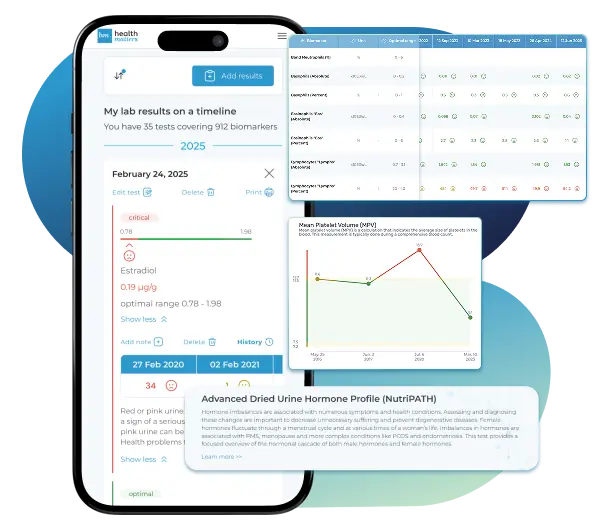
Import lab results from multiple providers, track changes over time, customize your reference ranges, and get clear explanations for each result. Everything is stored securely, exportable in one organized file, and shareable with your doctor—or anyone you choose.
Cancel or upgrade anytime
What does it mean if your Insulin 2-hr result is too low?
A low Insulin 2-hr result means your body is producing less insulin two hours after a glucose drink. If glucose levels are normal, this may reflect efficient insulin sensitivity. If glucose is elevated, it may suggest reduced insulin production and should be discussed with a clinician.
Related Biomarkers
Article Review & Sources
All our content is backed by peer-reviewed studies, academic research, and trusted medical sources. We're committed to accuracy and transparency — see our editorial policy for details.
Laboratories
Bring All Your Lab Results Together — In One Place
We accept reports from any lab, so you can easily collect and organize all your health information in one secure spot.











Pricing Table
Gather Your Lab History — and Finally Make Sense of It
Finally, Your Lab Results Organized and Clear

Personal plans

$79/ year
Advanced Plan
Access your lab reports, explanations, and tracking tools.
- Import lab results from any provider
- Track all results with visual tools
- Customize your reference ranges
- Export your full lab history anytime
- Share results securely with anyone
- Receive 5 reports entered for you
- Cancel or upgrade anytime
$250/ once
Unlimited Account
Pay once, access everything—no monthly fees, no limits.
- Import lab results from any provider
- Track all results with visual tools
- Customize your reference ranges
- Export your full lab history anytime
- Share results securely with anyone
- Receive 10 reports entered for you
- No subscriptions. No extra fees.
$45/ month
Pro Monthly
Designed for professionals managing their clients' lab reports
- Import lab results from any provider
- Track lab results for multiple clients
- Customize reference ranges per client
- Export lab histories and reports
- Begin with first report entered by us
- Cancel or upgrade anytime
About membership
What's included in a Healthmatters membership
 Import Lab Results from Any Source
 See Your Health Timeline
 Understand What Your Results Mean

 Visualize Your Results

 Data Entry Service for Your Reports
 Securely Share With Anyone You Trust
Let Your Lab Results Tell the Full Story
Once your results are in one place, see the bigger picture — track trends over time, compare data side by side, export your full history, and share securely with anyone you trust.




Bring all your results together to compare, track progress, export your history, and share securely.
What Healthmatters Members Are Saying

I have been using Healthmatters.io since 2021. I travel all over the world and use different doctors and health facilities. This site has allowed me to consolidate all my various test results over 14 years in one place. And every doctor that I show this to has been impressed. Because with any health professional I talk to, I can pull up historical results in seconds. It is invaluable. Even going back to the same doctor, they usually do not have the historical results from their facility in a graph format. That has been very helpful.
Anthony
Unlimited Plan Member since 2021
What fantastic service and great, easy-to-follow layouts! I love your website; it makes it so helpful to see patterns in my health data. It's truly a pleasure to use. I only wish the NHS was as organized and quick as Healthmatters.io. You've set a new standard for health tracking!
Karin
Advanced Plan Member since 2020
As a PRO member and medical practitioner, Healthmatters.io has been an invaluable tool for tracking my clients' data. The layout is intuitive, making it easy to monitor trends and spot patterns over time. The ability to customize reports and charts helps me present information clearly to my clients, improving communication and outcomes. It's streamlined my workflow, saving me time and providing insights at a glance. Highly recommended for any practitioner looking for a comprehensive and user-friendly solution to track patient labs!
Paul
Healthmatters Pro Member since 2024

We implement proven measures to keep your data safe.
At HealthMatters, we're committed to maintaining the security and confidentiality of your personal information. We've put industry-leading security standards in place to help protect against the loss, misuse, or alteration of the information under our control. We use procedural, physical, and electronic security methods designed to prevent unauthorized people from getting access to this information. Our internal code of conduct adds additional privacy protection. All data is backed up multiple times a day and encrypted using SSL certificates. See our Privacy Policy for more details.