
 Optimal Result:
65 - 99 mg/dL.
Optimal Result:
65 - 99 mg/dL.

The fasting specimen in a Glucose Tolerance Test (GTT) is a critical component in diagnosing and managing diabetes and other glucose-related disorders. This initial blood sample is taken after an individual has fasted for at least 8 to 12 hours, ensuring that food intake does not influence the blood glucose levels. The accuracy and reliability of the fasting specimen are essential for the GTT, as it establishes a baseline glucose level against which subsequent readings (taken after the intake of a glucose-rich drink) are compared. A normal fasting blood glucose level typically falls below 100 mg/dL. Levels between 100 to 125 mg/dL indicate a pre-diabetic condition, known as impaired fasting glucose, while a level of 126 mg/dL or higher can suggest diabetes, warranting further tests for confirmation.
This fasting specimen is vital in the GTT process, providing crucial insights into how the body processes glucose when in a fasting state. It is an indispensable tool in both the diagnosis and the ongoing monitoring of diabetes, making it a key topic of interest for individuals seeking information on health screening, diabetes prevention, and effective glucose management strategies. By understanding the importance and implications of the fasting specimen in a GTT, individuals can better comprehend their risk levels and the necessary steps for maintaining optimal health.
Lab Results Explained and Tracked
What does it mean if your Fasting Specimen result is too high?
If the fasting specimen in a glucose tolerance test (GTT) is elevated, it suggests that your body is not processing glucose normally when in a fasting state. This is an important indicator in diagnosing conditions related to impaired glucose metabolism, such as diabetes and pre-diabetes.
Here's what the different levels of fasting blood glucose can indicate:
→ Normal Range: A fasting blood glucose level below 100 mg/dL is generally considered normal.
→ Impaired Fasting Glucose (Pre-diabetes): If your fasting blood glucose level is between 100 to 125 mg/dL, it falls into a category known as impaired fasting glucose, which is often considered a pre-diabetic state. This indicates that your body is beginning to struggle with managing blood sugar levels, which can escalate to diabetes if not addressed through lifestyle changes or medication.
→ Diabetes: A fasting blood glucose level of 126 mg/dL or higher on two separate occasions typically indicates diabetes. This suggests that your body is consistently unable to manage blood glucose levels properly, requiring further evaluation and management.
An elevated fasting blood glucose level is a critical sign that your body's ability to manage blood sugar while fasting is compromised. This can be due to several factors, including insulin resistance, where the body's cells don't respond effectively to insulin, or decreased insulin production by the pancreas.
If your fasting blood glucose level is elevated, it is important to consult with a healthcare provider. They will likely recommend further testing, such as an Hemoglobin A1C test, which provides an average blood glucose level over the past two to three months. In addition, they will discuss potential lifestyle changes, such as diet and exercise modifications, and may consider medication to help regulate blood sugar levels. Monitoring and managing elevated fasting blood glucose levels is crucial for preventing or delaying the onset of type 2 diabetes and for minimizing the risk of diabetes-related complications.

All Your Lab Results.
One Simple Dashboard.
Import, Track, and Share Your Lab Results Easily
Import, Track, and Share Your Lab Results
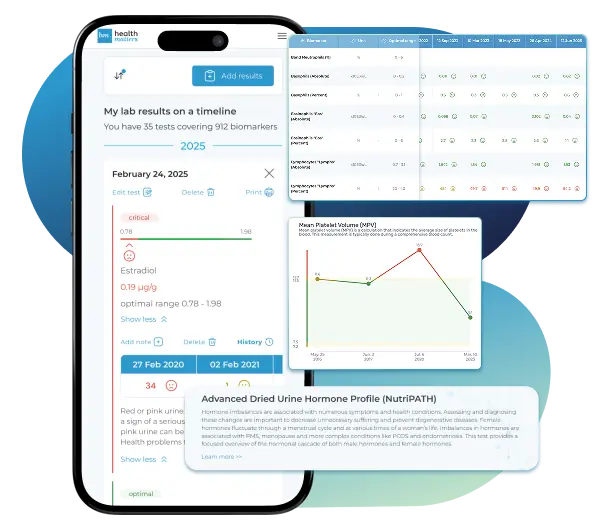
Import lab results from multiple providers, track changes over time, customize your reference ranges, and get clear explanations for each result. Everything is stored securely, exportable in one organized file, and shareable with your doctor—or anyone you choose.
Cancel or upgrade anytime
What does it mean if your Fasting Specimen result is too low?
If the fasting specimen in a glucose tolerance test (GTT) is low, it indicates hypoglycemia, a condition where blood glucose levels are below the normal range. This can have various implications and causes that need careful assessment.
Here's what to consider with a low fasting blood glucose level:
→ Hypoglycemia Definition: Hypoglycemia is generally defined as a blood glucose level below 70 mg/dL. However, symptoms and concerns may arise even at slightly higher levels, depending on individual circumstances.
→ Symptoms: Symptoms of hypoglycemia can include dizziness, sweating, confusion, shaking, hunger, and in severe cases, loss of consciousness. It's important to be aware of these symptoms, as they can require immediate attention.
→ Causes: Low fasting blood sugar can be due to a variety of factors. It might be related to medications, especially if you're taking insulin or other diabetes medications. Other causes can include certain medical conditions, prolonged fasting, excessive alcohol consumption, or hormonal deficiencies.
→ Diagnosis and Management: If your GTT shows a low fasting glucose level, it's crucial to determine the cause. Your healthcare provider might conduct further tests, review medications, and assess your diet and lifestyle. Managing low fasting glucose often involves dietary adjustments, such as more frequent meals, a balance of carbohydrates, protein, and fats, and possibly changes to medication.
→ Risk Factors and Complications: Ongoing or severe hypoglycemia can be dangerous, leading to complications like impaired brain function and, in extreme cases, loss of consciousness or seizures. It's especially important for individuals with diabetes to manage their blood sugar levels carefully.
A low fasting blood sugar level in a GTT is less common than high levels, but it's equally important. It requires a thorough evaluation to understand the underlying causes and to develop an appropriate management plan. If you experience symptoms of hypoglycemia or have concerns about your blood sugar levels, it's advisable to consult with a healthcare professional for a comprehensive assessment and guidance.
Related Biomarkers
Article Review & Sources
All our content is backed by peer-reviewed studies, academic research, and trusted medical sources. We're committed to accuracy and transparency — see our editorial policy for details.
Laboratories
Bring All Your Lab Results Together — In One Place
We accept reports from any lab, so you can easily collect and organize all your health information in one secure spot.











Pricing Table
Gather Your Lab History — and Finally Make Sense of It
Finally, Your Lab Results Organized and Clear

Personal plans

$79/ year
Advanced Plan
Access your lab reports, explanations, and tracking tools.
- Import lab results from any provider
- Track all results with visual tools
- Customize your reference ranges
- Export your full lab history anytime
- Share results securely with anyone
- Receive 5 reports entered for you
- Cancel or upgrade anytime
$250/ once
Unlimited Account
Pay once, access everything—no monthly fees, no limits.
- Import lab results from any provider
- Track all results with visual tools
- Customize your reference ranges
- Export your full lab history anytime
- Share results securely with anyone
- Receive 10 reports entered for you
- No subscriptions. No extra fees.
$45/ month
Pro Monthly
Designed for professionals managing their clients' lab reports
- Import lab results from any provider
- Track lab results for multiple clients
- Customize reference ranges per client
- Export lab histories and reports
- Begin with first report entered by us
- Cancel or upgrade anytime
About membership
What's included in a Healthmatters membership
 Import Lab Results from Any Source
 See Your Health Timeline
 Understand What Your Results Mean

 Visualize Your Results

 Data Entry Service for Your Reports
 Securely Share With Anyone You Trust
Let Your Lab Results Tell the Full Story
Once your results are in one place, see the bigger picture — track trends over time, compare data side by side, export your full history, and share securely with anyone you trust.




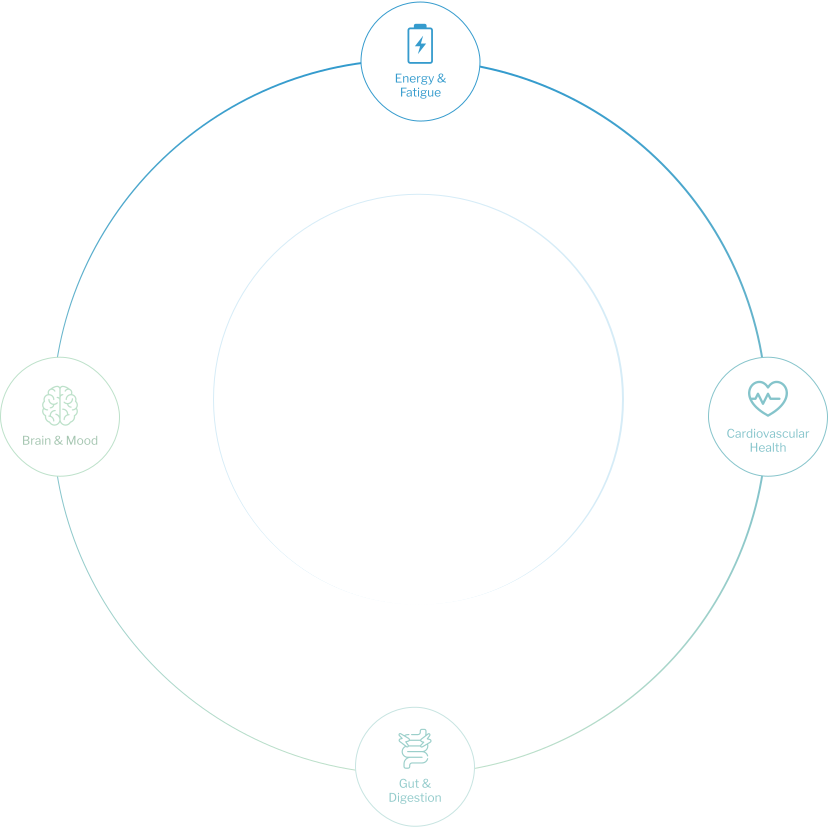
Bring all your results together to compare, track progress, export your history, and share securely.
What Healthmatters Members Are Saying

I have been using Healthmatters.io since 2021. I travel all over the world and use different doctors and health facilities. This site has allowed me to consolidate all my various test results over 14 years in one place. And every doctor that I show this to has been impressed. Because with any health professional I talk to, I can pull up historical results in seconds. It is invaluable. Even going back to the same doctor, they usually do not have the historical results from their facility in a graph format. That has been very helpful.
Anthony
Unlimited Plan Member since 2021
What fantastic service and great, easy-to-follow layouts! I love your website; it makes it so helpful to see patterns in my health data. It's truly a pleasure to use. I only wish the NHS was as organized and quick as Healthmatters.io. You've set a new standard for health tracking!
Karin
Advanced Plan Member since 2020
As a PRO member and medical practitioner, Healthmatters.io has been an invaluable tool for tracking my clients' data. The layout is intuitive, making it easy to monitor trends and spot patterns over time. The ability to customize reports and charts helps me present information clearly to my clients, improving communication and outcomes. It's streamlined my workflow, saving me time and providing insights at a glance. Highly recommended for any practitioner looking for a comprehensive and user-friendly solution to track patient labs!
Paul
Healthmatters Pro Member since 2024

We implement proven measures to keep your data safe.
At HealthMatters, we're committed to maintaining the security and confidentiality of your personal information. We've put industry-leading security standards in place to help protect against the loss, misuse, or alteration of the information under our control. We use procedural, physical, and electronic security methods designed to prevent unauthorized people from getting access to this information. Our internal code of conduct adds additional privacy protection. All data is backed up multiple times a day and encrypted using SSL certificates. See our Privacy Policy for more details.