
Branched PFOS (Sm PFOS)
 Optimal Result:
0 - 0.1 ng/mL.
Optimal Result:
0 - 0.1 ng/mL.

Branched PFOS (Sm-PFOS): Understanding the Marker in PFAS Testing
Branched PFOS (Sm-PFOS), also known as Perfluorooctane sulfonic acid isomers, is one of the specific PFAS (Forever Chemicals) measured in the PFAS (Forever Chemicals) 9 Panel by Quest Diagnostics. Branched PFOS refers to the non-linear, isomeric forms of PFOS (Perfluorooctane sulfonic acid), which differs from the linear form (n-PFOS) by having a different molecular structure. This chemical, like other PFAS compounds, is persistent in the environment and the human body due to its strong carbon-fluorine bonds.
What is Branched PFOS (Sm-PFOS)?
Branched PFOS (Sm-PFOS) is a variation of PFOS, which is widely used in various industrial and consumer applications, such as water- and stain-resistant fabrics, firefighting foams, nonstick cookware, and certain food packaging materials. Sm-PFOS differs from the linear PFOS form due to the branching of the carbon chain, which results in several isomers that share similar chemical properties but have different molecular structures. Although linear PFOS is often more commonly detected in environmental studies, branched PFOS forms are also present and can contribute to overall PFOS exposure.
Why is Branched PFOS Tested?
Branched PFOS (Sm-PFOS) is included in the PFAS 9 Panel because it is an important marker of PFAS exposure. Both linear and branched forms of PFOS are common in industrial and consumer products, and measuring Sm-PFOS levels helps assess overall exposure to PFAS chemicals. These isomers, while chemically similar, can have different environmental behaviors and persistence, making it important to track their presence in the body, especially for individuals who may have been exposed to PFOS through contaminated water, food, or products.
Health Implications of Branched PFOS
Research into the health effects of Branched PFOS (Sm-PFOS) is ongoing, but like other PFAS compounds, elevated levels of this chemical may be associated with several potential health risks, including:
-
Immune System Disruption: Branched PFOS has been shown to suppress immune function, which can make individuals more vulnerable to infections and less responsive to vaccinations.
-
Cholesterol Imbalances: High levels of Sm-PFOS may contribute to unhealthy cholesterol levels, particularly increased LDL ("bad" cholesterol), which is associated with a higher risk of cardiovascular diseases.
-
Developmental and Reproductive Health: Exposure to Branched PFOS may affect fetal development, leading to potential issues such as low birth weight and developmental delays. Additionally, exposure to PFOS has been linked to reduced fertility in both men and women.
-
Cancer Risk: Some studies have indicated that long-term exposure to PFOS, including Sm-PFOS, may increase the risk of certain cancers, particularly kidney and testicular cancer. However, more research is needed to confirm these links.
Why Branched PFOS Is Important in PFAS Testing
Both linear and branched forms of PFOS are found in environmental samples and human blood, but Branched PFOS (Sm-PFOS) can have different behaviors compared to the linear form. As branched isomers can be more difficult to break down, tracking their levels helps researchers and healthcare providers better understand the total burden of PFAS in the body. Elevated levels of Sm-PFOS are often indicative of significant exposure to PFAS, which could be linked to health risks mentioned above.
Interpreting Branched PFOS Test Results
If your Branched PFOS (Sm-PFOS) test results show elevated levels, it likely indicates exposure to PFAS chemicals, either through contaminated water, consumer products, or environmental contamination. While the direct health effects of elevated Sm-PFOS levels are still being studied, it is essential to assess potential health risks, especially in individuals with prolonged exposure to PFAS.
What to Do If Your Branched PFOS Levels Are Elevated
-
Consult a Healthcare Provider:
If your Branched PFOS levels are elevated, it is important to discuss the results with a healthcare provider. A doctor can help interpret the test results, assess potential health risks, and recommend any further tests or monitoring needed to track any health issues. -
Reduce Exposure to PFAS:
Reducing further exposure to Branched PFOS and other PFAS chemicals is a crucial step in managing your health. This can involve:-
Using water filters certified to remove PFAS from drinking water.
-
Avoiding products that contain PFOS, such as nonstick cookware, water- and stain-resistant fabrics, and certain cosmetics.
-
If living in an area with known PFAS contamination, taking precautions such as avoiding contaminated water sources.
-
-
Regular Health Monitoring:
Regular check-ups with your healthcare provider can help monitor specific health markers like cholesterol levels, immune function, and kidney health. Monitoring your health over time can help detect any potential issues related to PFAS exposure and guide appropriate actions.
Conclusion
Branched PFOS (Sm-PFOS) is an important marker in assessing PFAS exposure. Elevated levels of Sm-PFOS indicate significant exposure to PFAS, which could be associated with various health risks such as immune system disruption, cholesterol imbalances, reproductive issues, and cancer. If your Branched PFOS levels are elevated, it is essential to work with a healthcare provider to understand the potential health implications, reduce exposure to PFAS, and monitor your health. Regular testing and proactive health management can help reduce long-term risks associated with PFAS chemicals.
Lab Results Explained and Tracked
What does it mean if your Branched PFOS (Sm PFOS) result is too high?
Elevated Branched PFOS (Sm-PFOS) Levels: What They Indicate
Elevated levels of Branched PFOS (Sm-PFOS) in the blood typically indicate significant exposure to PFAS (Forever Chemicals), particularly from sources like contaminated water, consumer products, or industrial environments where PFAS are used. Sm-PFOS is a branched form of Perfluorooctane sulfonic acid (PFOS), and it shares many of the persistent and harmful characteristics of other PFAS compounds, including environmental resistance and bioaccumulation.
What Elevated Branched PFOS Levels Indicate:
-
Long-Term or Repeated Exposure to PFAS:
Elevated Sm-PFOS levels usually reflect ongoing or past exposure to PFAS. Exposure may come from sources such as firefighting foams, nonstick cookware, stain-resistant fabrics, certain cosmetics, or food packaging treated with PFAS. Since Branched PFOS is commonly used in industrial applications, long-term exposure may also occur in occupational settings. -
Environmental Contamination:
Sm-PFOS is frequently found in water and soil near industrial sites, military bases, and airports where PFOS-containing products are used. If you live near such sites or use water from contaminated sources, your Branched PFOS levels may be elevated. -
Occupational Exposure:
Certain professions, such as firefighting or working in industries that produce or use PFAS chemicals, may lead to higher exposure to Sm-PFOS. If you work in these fields, elevated levels of Branched PFOS could indicate a higher risk of PFAS accumulation. -
Health Risks:
Elevated Sm-PFOS levels are linked to several potential health risks, including:-
Immune System Dysfunction: Long-term exposure to Branched PFOS can impair immune function, weakening the body’s ability to fight infections and reduce vaccine effectiveness.
-
Cholesterol Imbalances: High levels of Sm-PFOS can contribute to unhealthy lipid profiles, including increased LDL ("bad" cholesterol), which increases the risk of cardiovascular diseases.
-
Developmental and Reproductive Issues: Exposure to Branched PFOS may affect fetal development, leading to potential low birth weight and developmental delays. It may also reduce fertility in both men and women.
-
Increased Cancer Risk: There is some evidence linking PFOS exposure, including Sm-PFOS, to an increased risk of certain cancers, such as kidney and testicular cancer, although further research is needed to fully confirm these associations.
-
-
Widespread PFAS Contamination:
Branched PFOS is part of the larger class of PFAS chemicals that are widely distributed in the environment, particularly in regions with known industrial contamination. Elevated Sm-PFOS levels could suggest exposure to widespread environmental contamination from PFAS in water, air, and soil.
What to Do If Your Branched PFOS Levels Are Elevated:
-
Consult a Healthcare Provider:
If your Branched PFOS levels are elevated, it is crucial to discuss the results with a healthcare provider. Your doctor can help interpret the findings, assess potential health risks, and recommend further tests or monitoring. -
Reduce PFAS Exposure:
-
Water Filtration: Use certified water filters that are designed to remove PFAS from drinking water, especially if you live near contaminated sites.
-
Avoid PFOS-Containing Products: Limit the use of products known to contain PFOS, such as nonstick cookware, stain-resistant fabrics, and certain cosmetics.
-
Check Environmental Contamination: If you live near an industrial or military site, take steps to reduce exposure by using alternative water sources or testing your water.
-
-
Monitor Health Regularly:
Regular health check-ups are important for individuals with elevated Branched PFOS levels. Monitoring cholesterol, immune system function, and kidney health can help detect any early signs of adverse health effects related to PFAS exposure.
Conclusion
Elevated Branched PFOS (Sm-PFOS) levels indicate significant exposure to PFAS chemicals, which can result from environmental contamination, occupational exposure, or the use of consumer products that contain PFAS. High levels of Sm-PFOS may be associated with several health risks, including immune suppression, cholesterol imbalances, developmental issues, and an increased risk of cancer. If your Branched PFOS levels are elevated, it’s important to consult with a healthcare provider, reduce exposure, and monitor your health regularly to manage potential long-term risks.
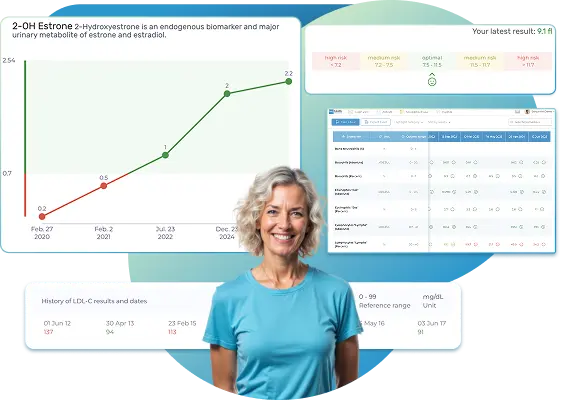
All Your Lab Results.
One Simple Dashboard.
Import, Track, and Share Your Lab Results Easily
Import, Track, and Share Your Lab Results
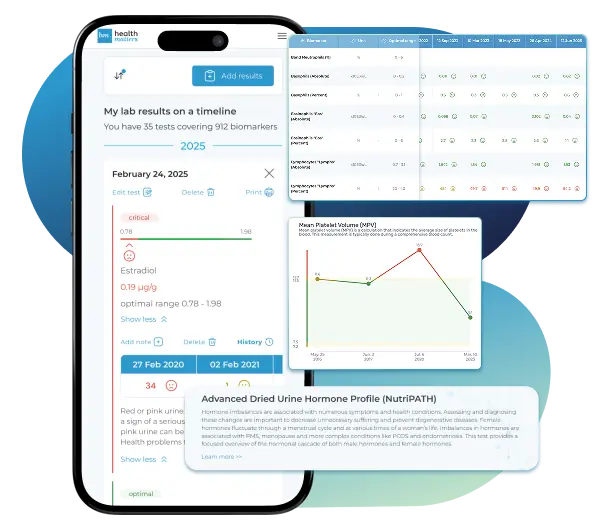
Import lab results from multiple providers, track changes over time, customize your reference ranges, and get clear explanations for each result. Everything is stored securely, exportable in one organized file, and shareable with your doctor—or anyone you choose.
Cancel or upgrade anytime
Article Review & Sources
All our content is backed by peer-reviewed studies, academic research, and trusted medical sources. We're committed to accuracy and transparency — see our editorial policy for details.
Laboratories
Bring All Your Lab Results Together — In One Place
We accept reports from any lab, so you can easily collect and organize all your health information in one secure spot.











Pricing Table
Gather Your Lab History — and Finally Make Sense of It
Finally, Your Lab Results Organized and Clear

Personal plans

$79/ year
Advanced Plan
Access your lab reports, explanations, and tracking tools.
- Import lab results from any provider
- Track all results with visual tools
- Customize your reference ranges
- Export your full lab history anytime
- Share results securely with anyone
- Receive 5 reports entered for you
- Cancel or upgrade anytime
$250/ once
Unlimited Account
Pay once, access everything—no monthly fees, no limits.
- Import lab results from any provider
- Track all results with visual tools
- Customize your reference ranges
- Export your full lab history anytime
- Share results securely with anyone
- Receive 10 reports entered for you
- No subscriptions. No extra fees.
$45/ month
Pro Monthly
Designed for professionals managing their clients' lab reports
- Import lab results from any provider
- Track lab results for multiple clients
- Customize reference ranges per client
- Export lab histories and reports
- Begin with first report entered by us
- Cancel or upgrade anytime
About membership
What's included in a Healthmatters membership
 Import Lab Results from Any Source
 See Your Health Timeline
 Understand What Your Results Mean

 Visualize Your Results

 Data Entry Service for Your Reports
 Securely Share With Anyone You Trust
Let Your Lab Results Tell the Full Story
Once your results are in one place, see the bigger picture — track trends over time, compare data side by side, export your full history, and share securely with anyone you trust.




Bring all your results together to compare, track progress, export your history, and share securely.
What Healthmatters Members Are Saying

I have been using Healthmatters.io since 2021. I travel all over the world and use different doctors and health facilities. This site has allowed me to consolidate all my various test results over 14 years in one place. And every doctor that I show this to has been impressed. Because with any health professional I talk to, I can pull up historical results in seconds. It is invaluable. Even going back to the same doctor, they usually do not have the historical results from their facility in a graph format. That has been very helpful.
Anthony
Unlimited Plan Member since 2021
What fantastic service and great, easy-to-follow layouts! I love your website; it makes it so helpful to see patterns in my health data. It's truly a pleasure to use. I only wish the NHS was as organized and quick as Healthmatters.io. You've set a new standard for health tracking!
Karin
Advanced Plan Member since 2020
As a PRO member and medical practitioner, Healthmatters.io has been an invaluable tool for tracking my clients' data. The layout is intuitive, making it easy to monitor trends and spot patterns over time. The ability to customize reports and charts helps me present information clearly to my clients, improving communication and outcomes. It's streamlined my workflow, saving me time and providing insights at a glance. Highly recommended for any practitioner looking for a comprehensive and user-friendly solution to track patient labs!
Paul
Healthmatters Pro Member since 2024

We implement proven measures to keep your data safe.
At HealthMatters, we're committed to maintaining the security and confidentiality of your personal information. We've put industry-leading security standards in place to help protect against the loss, misuse, or alteration of the information under our control. We use procedural, physical, and electronic security methods designed to prevent unauthorized people from getting access to this information. Our internal code of conduct adds additional privacy protection. All data is backed up multiple times a day and encrypted using SSL certificates. See our Privacy Policy for more details.