
Aluminum, Urine 24 Hr
Other names: Aluminum,Urine 24 Hr
 Optimal Result:
0 - 32 ug/24 hr.
Optimal Result:
0 - 32 ug/24 hr.

Aluminum, Urine 24-Hour Test: Understanding Its Importance and Clinical Applications
The Aluminum, Urine 24-Hour Test is a diagnostic tool used to measure the amount of aluminum excreted in urine over a 24-hour period. This test is particularly valuable for assessing aluminum exposure and monitoring individuals at risk of aluminum toxicity. Aluminum, while naturally occurring in the environment, can become toxic when accumulated in the human body at elevated levels. Exposure to high levels of aluminum can occur through various sources, including environmental exposure, industrial settings, medical treatments, and certain medications.
What is Aluminum?
Aluminum is the third most abundant element in the Earth's crust and is commonly found in many household products, including cookware, food packaging, antacids, and deodorants. While the body has no known physiological need for aluminum, it is typically present in small amounts through dietary and environmental exposure. However, in certain situations, excessive aluminum accumulation can occur, leading to toxic effects, particularly in vulnerable populations.
Why is the 24-Hour Urine Test Used?
The Aluminum, Urine 24-Hour Test is preferred for accurate and comprehensive assessment of aluminum exposure because it measures the total excretion of aluminum over a 24-hour period rather than a single point in time. Aluminum excretion rates can vary throughout the day, depending on several factors, such as diet, hydration levels, and recent exposure. By collecting urine over an entire day, healthcare providers can obtain a clearer picture of the patient’s aluminum burden and more accurately assess potential toxicity risks.
Sources of Aluminum Exposure
There are several potential sources of aluminum exposure that can lead to elevated aluminum levels in the body, including:
- Dietary Intake: Aluminum can enter the body through food and water, especially from processed foods, canned goods, and cooking utensils made of aluminum.
- Medications: Some medications, such as antacids, contain aluminum compounds that can increase aluminum levels in the body.
- Dialysis: Patients undergoing dialysis treatment for chronic kidney disease are at an increased risk of aluminum accumulation. This is due to the use of contaminated water in the dialysate and aluminum-containing medications used during dialysis treatment.
- Parenteral Nutrition: Patients receiving long-term parenteral nutrition may be exposed to aluminum through intravenous solutions. This is a particular concern in neonates and infants, where even small amounts of aluminum can lead to toxicity.
- Occupational Exposure: Industrial workers in sectors such as mining, smelting, and welding, or those involved in manufacturing aluminum-containing products, may be exposed to elevated levels of aluminum through inhalation or skin contact.
Populations at Risk for Aluminum Toxicity
Certain groups are more vulnerable to aluminum toxicity and may benefit from routine monitoring through the Aluminum, Urine 24-Hour Test:
-
Patients with Chronic Kidney Disease (CKD): The kidneys play a critical role in excreting aluminum from the body. In patients with CKD, impaired renal function can lead to the accumulation of aluminum in the blood, putting them at risk for aluminum toxicity. Dialysis patients are particularly vulnerable as aluminum can be introduced through contaminated water used in the dialysis process.
-
Neonates and Infants: Infants, especially those on parenteral nutrition or with impaired kidney function, are at increased risk of aluminum toxicity. Even small amounts of aluminum can accumulate in their bodies, potentially leading to neurological and skeletal issues.
-
Patients on Long-Term Parenteral Nutrition: Parenteral nutrition, particularly when administered long-term, can introduce aluminum into the body. This is because some components of parenteral nutrition, such as phosphate salts and albumin, may contain trace amounts of aluminum. Monitoring aluminum levels in these patients is crucial to avoid toxicity.
-
Individuals with Occupational Exposure: Workers in industries where aluminum is used, such as aluminum manufacturing, mining, and construction, may be exposed to elevated aluminum levels through inhalation or skin contact.
Aluminum Toxicity and Its Effects
Chronic aluminum exposure can lead to aluminum toxicity, which may cause a range of health issues. The severity of symptoms depends on the level of aluminum accumulation in the body and the duration of exposure. Common manifestations of aluminum toxicity include:
-
Neurological Symptoms: Aluminum is known to accumulate in the brain and has been linked to neurotoxicity. Long-term exposure can lead to cognitive impairments, memory loss, difficulty concentrating, and even dementia-like symptoms. In extreme cases, aluminum toxicity has been associated with conditions like Alzheimer’s disease, although the connection is still under investigation.
-
Bone Disease: Aluminum interferes with bone mineralization by impairing calcium absorption and disrupting the metabolism of bone-forming cells (osteoblasts). This can lead to osteomalacia, a condition characterized by softening of the bones, and in severe cases, fractures or skeletal deformities.
-
Anemia: Aluminum toxicity can cause microcytic anemia, where red blood cells are smaller than normal. This occurs because aluminum interferes with the production of hemoglobin, the protein responsible for carrying oxygen in the blood.
-
Lung Disease: Inhalation of aluminum dust, particularly in industrial settings, can lead to lung damage and respiratory disorders such as pulmonary fibrosis.
-
Dialysis-Related Issues: In patients undergoing dialysis, elevated aluminum levels can cause a condition known as "dialysis encephalopathy," which includes symptoms such as speech disorders, tremors, seizures, and personality changes.
Clinical Applications of the Aluminum, Urine 24-Hour Test
The Aluminum, Urine 24-Hour Test is useful in various clinical settings to assess aluminum exposure and guide treatment decisions. Key applications include:
-
Monitoring Dialysis Patients: Patients on long-term dialysis are at increased risk of aluminum toxicity due to potential contamination in the dialysate water. The 24-hour urine test helps monitor their aluminum excretion and ensure that they are not accumulating harmful levels of aluminum. If aluminum levels are found to be high, steps can be taken to reduce exposure, such as using aluminum-free dialysate or adjusting medication regimens.
-
Managing Parenteral Nutrition Patients: In patients receiving long-term parenteral nutrition, this test is essential to monitor aluminum exposure and prevent toxicity, particularly in neonates and infants. If elevated levels are detected, healthcare providers can adjust the composition of the parenteral solution or reduce the duration of exposure to aluminum-containing compounds.
-
Evaluating Occupational Exposure: Workers in industries with high aluminum exposure may undergo routine urine testing to ensure that their aluminum levels remain within a safe range. Elevated levels may prompt changes in workplace safety protocols, such as improved ventilation or the use of personal protective equipment (PPE).
-
Investigating Unexplained Symptoms: In patients presenting with symptoms suggestive of aluminum toxicity, such as neurological impairments, bone pain, or anemia, the Aluminum, Urine 24-Hour Test can help confirm or rule out aluminum as a contributing factor. If toxicity is detected, treatment may include chelation therapy to remove aluminum from the body.
Interpretation of Results
The results of the Aluminum, Urine 24-Hour Test are typically reported in micrograms (µg) of aluminum excreted over the 24-hour period. The reference range for aluminum excretion in a healthy individual is generally low, reflecting the body's ability to eliminate small amounts of aluminum through the kidneys.
Elevated levels of aluminum in the urine may indicate excessive aluminum exposure or impaired renal function leading to reduced excretion of aluminum. In people with kidney disease or those receiving dialysis, even moderately elevated levels may be concerning and warrant further investigation or intervention.
Conclusion
The Aluminum, Urine 24-Hour Test is a valuable tool for assessing aluminum exposure and guiding clinical management in patients at risk of aluminum toxicity. By providing a comprehensive measure of aluminum excretion over a 24-hour period, this test enables healthcare providers to monitor high-risk populations, such as dialysis patients, those on long-term parenteral nutrition, and individuals with occupational exposure to aluminum. Early detection of elevated aluminum levels can help prevent serious health complications, including neurological damage, bone disease, and respiratory disorders. Regular monitoring, combined with efforts to minimize aluminum exposure, is essential in managing and mitigating the risks associated with aluminum toxicity.
Lab Results Explained and Tracked

All Your Lab Results.
One Simple Dashboard.
Import, Track, and Share Your Lab Results Easily
Import, Track, and Share Your Lab Results
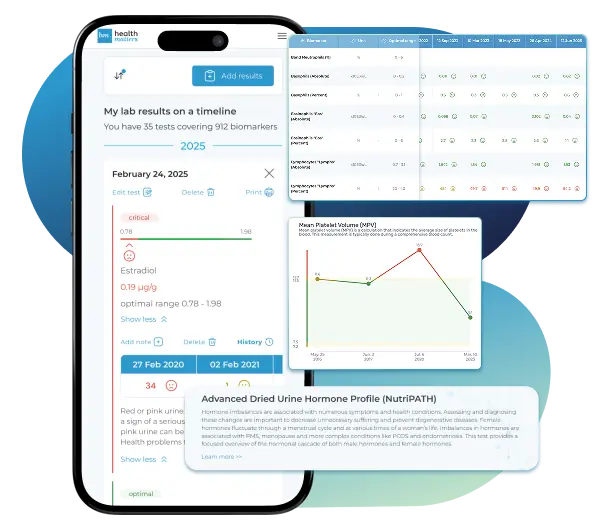
Import lab results from multiple providers, track changes over time, customize your reference ranges, and get clear explanations for each result. Everything is stored securely, exportable in one organized file, and shareable with your doctor—or anyone you choose.
Cancel or upgrade anytime
Article Review & Sources
All our content is backed by peer-reviewed studies, academic research, and trusted medical sources. We're committed to accuracy and transparency — see our editorial policy for details.
Laboratories
Bring All Your Lab Results Together — In One Place
We accept reports from any lab, so you can easily collect and organize all your health information in one secure spot.











Pricing Table
Gather Your Lab History — and Finally Make Sense of It
Finally, Your Lab Results Organized and Clear

Personal plans

$79/ year
Advanced Plan
Access your lab reports, explanations, and tracking tools.
- Import lab results from any provider
- Track all results with visual tools
- Customize your reference ranges
- Export your full lab history anytime
- Share results securely with anyone
- Receive 5 reports entered for you
- Cancel or upgrade anytime
$250/ once
Unlimited Account
Pay once, access everything—no monthly fees, no limits.
- Import lab results from any provider
- Track all results with visual tools
- Customize your reference ranges
- Export your full lab history anytime
- Share results securely with anyone
- Receive 10 reports entered for you
- No subscriptions. No extra fees.
$45/ month
Pro Monthly
Designed for professionals managing their clients' lab reports
- Import lab results from any provider
- Track lab results for multiple clients
- Customize reference ranges per client
- Export lab histories and reports
- Begin with first report entered by us
- Cancel or upgrade anytime
About membership
What's included in a Healthmatters membership
 Import Lab Results from Any Source
 See Your Health Timeline
 Understand What Your Results Mean

 Visualize Your Results

 Data Entry Service for Your Reports
 Securely Share With Anyone You Trust
Let Your Lab Results Tell the Full Story
Once your results are in one place, see the bigger picture — track trends over time, compare data side by side, export your full history, and share securely with anyone you trust.




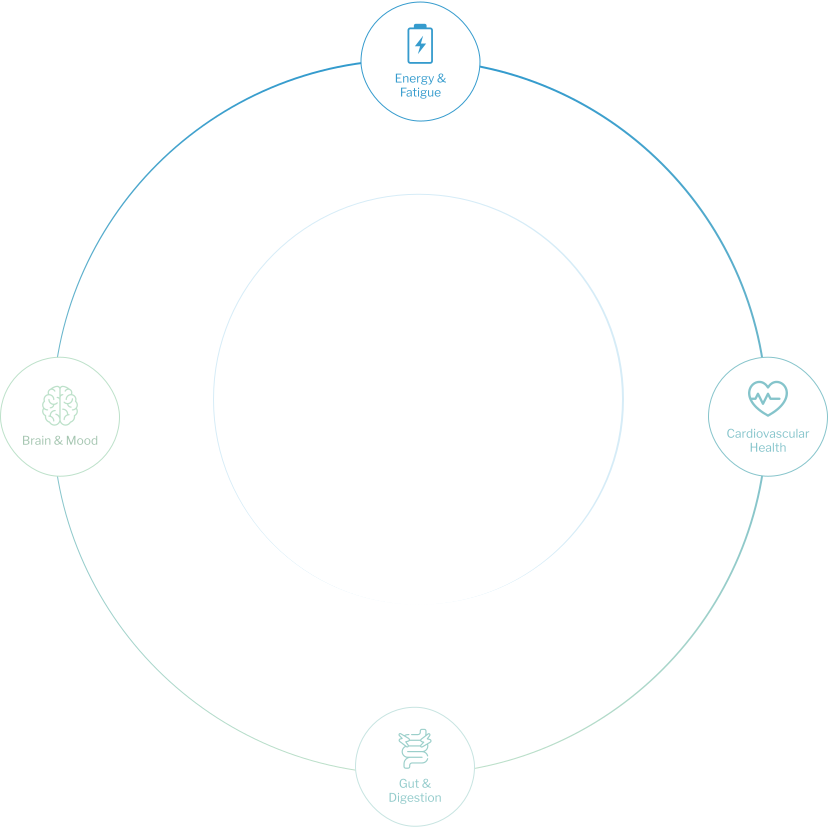
Bring all your results together to compare, track progress, export your history, and share securely.
What Healthmatters Members Are Saying

I have been using Healthmatters.io since 2021. I travel all over the world and use different doctors and health facilities. This site has allowed me to consolidate all my various test results over 14 years in one place. And every doctor that I show this to has been impressed. Because with any health professional I talk to, I can pull up historical results in seconds. It is invaluable. Even going back to the same doctor, they usually do not have the historical results from their facility in a graph format. That has been very helpful.
Anthony
Unlimited Plan Member since 2021
What fantastic service and great, easy-to-follow layouts! I love your website; it makes it so helpful to see patterns in my health data. It's truly a pleasure to use. I only wish the NHS was as organized and quick as Healthmatters.io. You've set a new standard for health tracking!
Karin
Advanced Plan Member since 2020
As a PRO member and medical practitioner, Healthmatters.io has been an invaluable tool for tracking my clients' data. The layout is intuitive, making it easy to monitor trends and spot patterns over time. The ability to customize reports and charts helps me present information clearly to my clients, improving communication and outcomes. It's streamlined my workflow, saving me time and providing insights at a glance. Highly recommended for any practitioner looking for a comprehensive and user-friendly solution to track patient labs!
Paul
Healthmatters Pro Member since 2024

We implement proven measures to keep your data safe.
At HealthMatters, we're committed to maintaining the security and confidentiality of your personal information. We've put industry-leading security standards in place to help protect against the loss, misuse, or alteration of the information under our control. We use procedural, physical, and electronic security methods designed to prevent unauthorized people from getting access to this information. Our internal code of conduct adds additional privacy protection. All data is backed up multiple times a day and encrypted using SSL certificates. See our Privacy Policy for more details.