
 Optimal Result:
0 - 30 ng/dL,
or
0 - 1081.35 pmol/L.
Optimal Result:
0 - 30 ng/dL,
or
0 - 1081.35 pmol/L.

Aldosterone: A Key Hormone in Blood Pressure Regulation and Electrolyte Balance
Aldosterone is a mineralocorticoid hormone produced by the adrenal glands that plays a critical role in maintaining blood pressure, electrolyte balance, and fluid volume. It works by regulating the transport of sodium (Na+) and potassium (K+) across cell membranes, particularly in the distal tubules of the kidneys. By promoting sodium reabsorption and potassium excretion, aldosterone helps maintain the balance of these vital electrolytes, ensuring proper hydration and blood pressure levels.
How Aldosterone Works
Aldosterone’s primary function is to increase sodium retention and potassium excretion in the kidneys. Sodium is crucial for maintaining blood volume because it helps retain water in the body, thereby influencing blood pressure. Potassium acts as an antagonist to sodium: when potassium levels rise in the blood (hyperkalemia), aldosterone is released to restore balance by reducing potassium and increasing sodium retention.
This hormone is primarily regulated by the renin-angiotensin-aldosterone system (RAAS). When blood pressure drops or sodium levels decrease, the kidneys release renin, which triggers a series of reactions leading to aldosterone synthesis. This system ensures that blood pressure remains stable and that fluid levels in the body are properly controlled.
Why Is Aldosterone Important?
-
Blood Pressure Regulation: By retaining sodium and water, aldosterone helps increase blood volume, which directly influences blood pressure. Low aldosterone can lead to dangerously low blood pressure, while high aldosterone may contribute to hypertension.
-
Electrolyte Balance: Aldosterone is crucial for balancing sodium and potassium levels in the body. Too little aldosterone can lead to low sodium levels (hyponatremia) and high potassium levels (hyperkalemia), which can cause muscle weakness, fatigue, and even life-threatening heart arrhythmias.
-
Adrenal Gland Function: The adrenal glands release aldosterone when potassium levels rise or when blood pressure drops. This makes aldosterone an essential hormone for maintaining homeostasis in the body.
Normal Aldosterone Levels by Age
Aldosterone levels are typically measured in nanograms per deciliter (ng/dL), and the normal range varies by age:
0-6 days: 5.0 - 102.0 ng/dL
1-3 weeks: 6.0 - 179.0 ng/dL
1-11 months: 7.0 - 99.0 ng/dL
1-2 years: 7.0 - 93.0 ng/dL
3-10 years: 4.0 - 44.0 ng/dL
11-14 years: 4.0 - 31.0 ng/dL
15 years and older:
- Posture unspecified: ≤ 31.0 ng/dL
- Supine (lying down): ≤ 16.0 ng/dL
- Upright: 4.0 - 31.0 ng/dL
Aldosterone is a vital hormone for maintaining proper blood pressure and electrolyte balance. It regulates sodium and potassium levels in the body, ensuring that the correct amount of sodium is retained, and excess potassium is excreted through the kidneys. The synthesis of aldosterone is controlled by the renin-angiotensin system, which activates in response to low blood pressure or high potassium levels. Maintaining optimal aldosterone levels is crucial for overall cardiovascular health and preventing imbalances that can lead to conditions like hypertension, heart disease, or electrolyte disturbances.
Keywords: Aldosterone, blood pressure regulation, electrolyte balance, sodium retention, potassium excretion, renin-angiotensin system, RAAS, adrenal glands, aldosterone levels, hyperkalemia
Lab Results Explained and Tracked
What does it mean if your Aldosterone result is too high?
Elevated aldosterone levels, a condition known as hyperaldosteronism, can indicate underlying health issues, particularly related to the adrenal glands and the regulation of blood pressure. Here are the most common causes and implications of elevated aldosterone levels:
1. Primary Hyperaldosteronism (Conn's Syndrome)
This is a condition where the adrenal glands produce too much aldosterone, often due to an adrenal adenoma (a benign tumor) or adrenal hyperplasia (overgrowth of adrenal tissue). It leads to excessive sodium retention, increased water retention, and high blood pressure (hypertension). Patients may also experience low potassium levels (hypokalemia), causing symptoms such as muscle weakness, fatigue, and heart palpitations.
2. Secondary Hyperaldosteronism
In secondary hyperaldosteronism, the high aldosterone levels are a result of factors outside the adrenal glands, typically due to increased activity of the renin-angiotensin system. Causes may include:
- Chronic kidney disease
- Heart failure
- Cirrhosis of the liver
- Dehydration or excessive loss of sodium, which triggers the renin-angiotensin system to compensate and raise aldosterone levels.
- Renal artery stenosis (narrowing of the arteries that supply the kidneys), which can reduce blood flow to the kidneys and stimulate excess aldosterone production.
3. High Blood Pressure (Hypertension)
Elevated aldosterone levels often contribute to resistant hypertension, which is high blood pressure that is difficult to control with standard treatments. The hormone’s effect on sodium retention and blood volume can lead to persistently high blood pressure if untreated.
4. Low Potassium Levels (Hypokalemia)
High aldosterone levels can cause an excessive excretion of potassium through the urine. This leads to low potassium levels, which may result in muscle cramps, weakness, fatigue, and irregular heartbeats.
5. Adrenal Gland Disorders
In some cases, adrenal carcinoma (a rare adrenal gland cancer) can lead to overproduction of aldosterone, though this is much less common than benign causes such as adrenal adenomas.
Key Symptoms of Elevated Aldosterone Levels:
- Persistent high blood pressure that doesn’t respond well to treatment
- Muscle weakness, fatigue, or cramps (due to low potassium)
- Frequent urination or excessive thirst
- Headaches and vision problems (due to high blood pressure)
Takeaway:
Elevated aldosterone levels usually point to problems with blood pressure regulation and electrolyte balance, often due to primary hyperaldosteronism, secondary factors like kidney disease, or overactivation of the renin-angiotensin system. If left untreated, high aldosterone can lead to serious health problems like chronic high blood pressure, cardiovascular disease, and severe potassium imbalances. Regular monitoring and appropriate treatment can help manage the condition effectively.
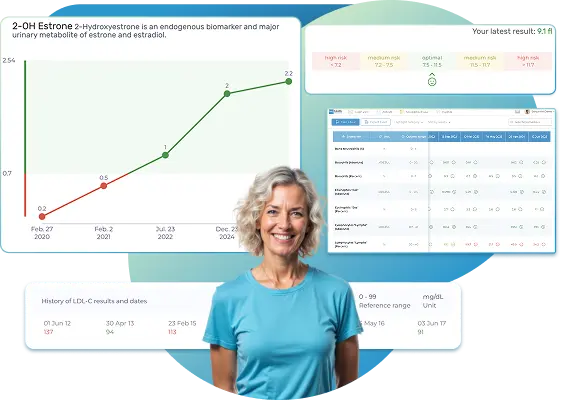
All Your Lab Results.
One Simple Dashboard.
Import, Track, and Share Your Lab Results Easily
Import, Track, and Share Your Lab Results
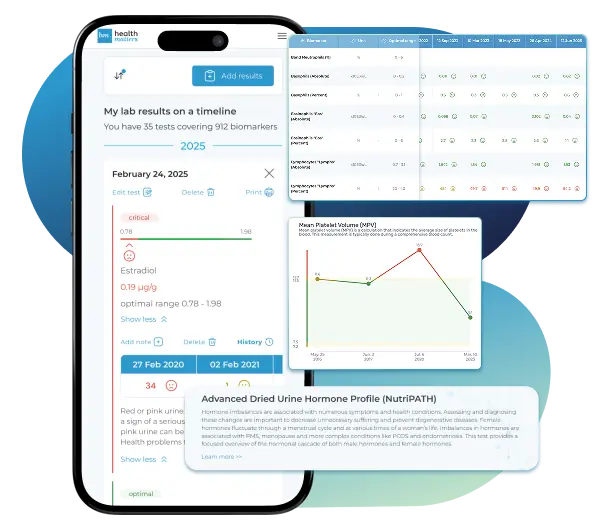
Import lab results from multiple providers, track changes over time, customize your reference ranges, and get clear explanations for each result. Everything is stored securely, exportable in one organized file, and shareable with your doctor—or anyone you choose.
Cancel or upgrade anytime
What does it mean if your Aldosterone result is too low?
In Addison's disease, there is a general loss of adrenal function resulting in low blood pressure, lethargy and an increase in potassium levels in the blood.
An enzyme called aldosterone synthase is responsible for the last steps in the production of aldosterone. Rarely, a mutation in the gene that codes for aldosterone synthase can result in low or absent production of aldosterone (aldosterone synthase deficiency). With this rare genetic condition, the symptoms are similar to that of Addison's disease but milder.
Related Biomarkers
Article Review & Sources
All our content is backed by peer-reviewed studies, academic research, and trusted medical sources. We're committed to accuracy and transparency — see our editorial policy for details.
Laboratories
Bring All Your Lab Results Together — In One Place
We accept reports from any lab, so you can easily collect and organize all your health information in one secure spot.











Pricing Table
Gather Your Lab History — and Finally Make Sense of It
Finally, Your Lab Results Organized and Clear

Personal plans

$79/ year
Advanced Plan
Access your lab reports, explanations, and tracking tools.
- Import lab results from any provider
- Track all results with visual tools
- Customize your reference ranges
- Export your full lab history anytime
- Share results securely with anyone
- Receive 5 reports entered for you
- Cancel or upgrade anytime
$250/ once
Unlimited Account
Pay once, access everything—no monthly fees, no limits.
- Import lab results from any provider
- Track all results with visual tools
- Customize your reference ranges
- Export your full lab history anytime
- Share results securely with anyone
- Receive 10 reports entered for you
- No subscriptions. No extra fees.
$45/ month
Pro Monthly
Designed for professionals managing their clients' lab reports
- Import lab results from any provider
- Track lab results for multiple clients
- Customize reference ranges per client
- Export lab histories and reports
- Begin with first report entered by us
- Cancel or upgrade anytime
About membership
What's included in a Healthmatters membership
 Import Lab Results from Any Source
 See Your Health Timeline
 Understand What Your Results Mean

 Visualize Your Results

 Data Entry Service for Your Reports
 Securely Share With Anyone You Trust
Let Your Lab Results Tell the Full Story
Once your results are in one place, see the bigger picture — track trends over time, compare data side by side, export your full history, and share securely with anyone you trust.




Bring all your results together to compare, track progress, export your history, and share securely.
What Healthmatters Members Are Saying

I have been using Healthmatters.io since 2021. I travel all over the world and use different doctors and health facilities. This site has allowed me to consolidate all my various test results over 14 years in one place. And every doctor that I show this to has been impressed. Because with any health professional I talk to, I can pull up historical results in seconds. It is invaluable. Even going back to the same doctor, they usually do not have the historical results from their facility in a graph format. That has been very helpful.
Anthony
Unlimited Plan Member since 2021
What fantastic service and great, easy-to-follow layouts! I love your website; it makes it so helpful to see patterns in my health data. It's truly a pleasure to use. I only wish the NHS was as organized and quick as Healthmatters.io. You've set a new standard for health tracking!
Karin
Advanced Plan Member since 2020
As a PRO member and medical practitioner, Healthmatters.io has been an invaluable tool for tracking my clients' data. The layout is intuitive, making it easy to monitor trends and spot patterns over time. The ability to customize reports and charts helps me present information clearly to my clients, improving communication and outcomes. It's streamlined my workflow, saving me time and providing insights at a glance. Highly recommended for any practitioner looking for a comprehensive and user-friendly solution to track patient labs!
Paul
Healthmatters Pro Member since 2024

We implement proven measures to keep your data safe.
At HealthMatters, we're committed to maintaining the security and confidentiality of your personal information. We've put industry-leading security standards in place to help protect against the loss, misuse, or alteration of the information under our control. We use procedural, physical, and electronic security methods designed to prevent unauthorized people from getting access to this information. Our internal code of conduct adds additional privacy protection. All data is backed up multiple times a day and encrypted using SSL certificates. See our Privacy Policy for more details.