
11-Dehydrotetrahydrocorticosterone (THA)
 Optimal Result:
46 - 231 ug/g Creatinine.
Optimal Result:
46 - 231 ug/g Creatinine.

What is 11-Dehydrotetrahydrocorticosterone (THA)?
11-Dehydrotetrahydrocorticosterone (THA) is a metabolite of tetrahydrocorticosterone (THB), which itself comes from corticosterone, an adrenal corticosteroid hormone. Corticosterone is produced by the adrenal cortex and helps regulate the body’s stress response, immune activity, energy metabolism, and electrolyte balance.
THA represents a downstream product in the adrenal steroid pathway and reflects how efficiently the body is converting and clearing corticosterone through enzyme systems such as 11b-hydroxysteroid dehydrogenase (11b-HSD). Measuring THA in urine offers valuable insight into adrenal function, stress hormone metabolism, and liver detoxification capacity.
Why is THA important?
The balance between THA and its related metabolites (THB and corticosterone) helps show how active or sluggish your adrenal hormone metabolism is.
-
When adrenal function is strong, corticosterone is produced and metabolized efficiently into THB and THA.
-
When adrenal output is weak, both THB and THA may be reduced, indicating low corticosteroid turnover.
-
When stress is chronic or excessive, THA may rise as the body increases corticosteroid metabolism to keep up with demand.
Tracking THA helps identify subtle imbalances in how your adrenal system is responding to stress and maintaining homeostasis.
Key takeaway
11-Dehydrotetrahydrocorticosterone (THA) provides a window into how your body metabolizes corticosterone, an essential adrenal stress hormone.
-
Elevated THA suggests increased adrenal activity or accelerated steroid metabolism.
-
Low THA indicates reduced adrenal output or slowed corticosteroid processing.
Interpreting THA alongside related metabolites—such as THB, corticosterone, cortisone (E), and tetrahydrocortisol (THF)—helps build a comprehensive picture of adrenal function, stress adaptation, and hormonal resilience.
Lab Results Explained and Tracked
What does it mean if your 11-Dehydrotetrahydrocorticosterone (THA) result is too high?
High THA levels suggest increased corticosterone metabolism and can be a sign that your adrenal glands are working harder than usual or that cortisol-like compounds are being broken down rapidly.
Possible causes:
-
Chronic or acute stress (physical or emotional)
-
High adrenal output or hypercortisolism
-
Inflammation or immune activation
-
Overtraining or excessive physical activity
-
Use of corticosteroid medications
-
Increased 11β-HSD2 enzyme activity (which converts active corticosteroids into inactive forms)
Possible symptoms:
-
Feeling “wired but tired”
-
Sleep disturbances or early waking
-
Anxiety or restlessness
-
Elevated blood pressure
-
Sugar cravings or midsection weight gain
Supportive measures:
-
Prioritize rest and recovery between stressful events
-
Manage caffeine and stimulant use
-
Focus on balanced nutrition with anti-inflammatory foods
-
Consider adaptogenic herbs (ashwagandha, rhodiola) under professional guidance
-
Address chronic inflammation or overtraining if applicable
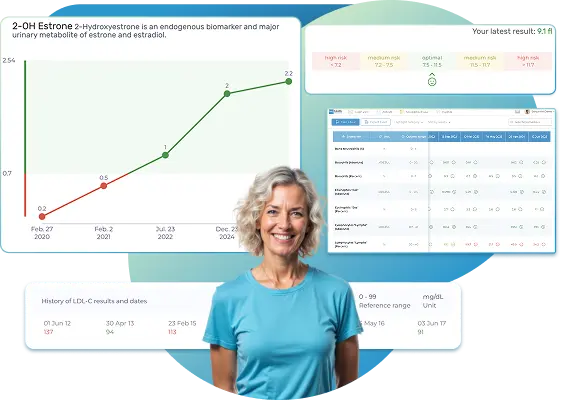
All Your Lab Results.
One Simple Dashboard.
Import, Track, and Share Your Lab Results Easily
Import, Track, and Share Your Lab Results
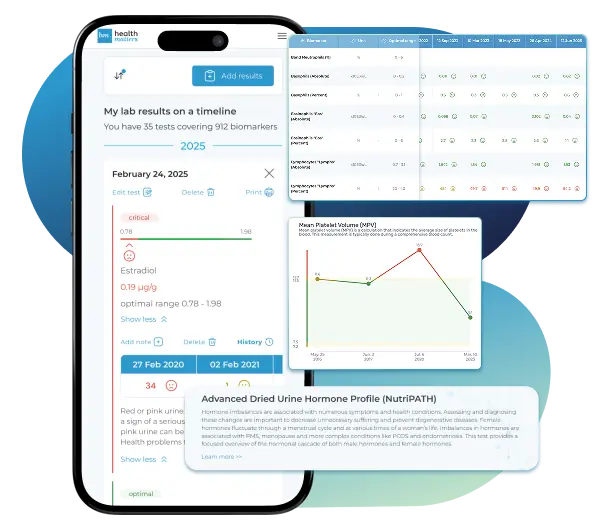
Import lab results from multiple providers, track changes over time, customize your reference ranges, and get clear explanations for each result. Everything is stored securely, exportable in one organized file, and shareable with your doctor—or anyone you choose.
Cancel or upgrade anytime
What does it mean if your 11-Dehydrotetrahydrocorticosterone (THA) result is too low?
Low THA levels may reflect reduced adrenal activity or slowed metabolism of corticosterone, often seen in individuals experiencing chronic stress depletion or adrenal fatigue.
Possible causes:
-
Adrenal exhaustion or insufficiency
-
Reduced corticosterone production
-
Impaired 11β-HSD enzyme function
-
Pituitary dysfunction (low ACTH)
-
Chronic illness or infection
-
Nutrient deficiencies (vitamin C, B5, magnesium)
-
Long-term corticosteroid use suppressing adrenal output
Possible symptoms:
-
Persistent fatigue and low motivation
-
Brain fog or poor concentration
-
Low blood pressure or dizziness
-
Low stress tolerance
-
Mood changes or depressive symptoms
-
Cravings for salt or stimulants
Supportive measures:
-
Ensure consistent sleep and recovery
-
Support adrenal repair with vitamin C, B5, magnesium, and electrolytes
-
Maintain steady blood sugar with regular, balanced meals
-
Limit alcohol, caffeine, and overexertion
-
Discuss results with a healthcare provider to assess adrenal and pituitary function
Article Review & Sources
All our content is backed by peer-reviewed studies, academic research, and trusted medical sources. We're committed to accuracy and transparency — see our editorial policy for details.
Laboratories
Bring All Your Lab Results Together — In One Place
We accept reports from any lab, so you can easily collect and organize all your health information in one secure spot.











Pricing Table
Gather Your Lab History — and Finally Make Sense of It
Finally, Your Lab Results Organized and Clear

Personal plans

$79/ year
Advanced Plan
Access your lab reports, explanations, and tracking tools.
- Import lab results from any provider
- Track all results with visual tools
- Customize your reference ranges
- Export your full lab history anytime
- Share results securely with anyone
- Receive 5 reports entered for you
- Cancel or upgrade anytime
$250/ once
Unlimited Account
Pay once, access everything—no monthly fees, no limits.
- Import lab results from any provider
- Track all results with visual tools
- Customize your reference ranges
- Export your full lab history anytime
- Share results securely with anyone
- Receive 10 reports entered for you
- No subscriptions. No extra fees.
$45/ month
Pro Monthly
Designed for professionals managing their clients' lab reports
- Import lab results from any provider
- Track lab results for multiple clients
- Customize reference ranges per client
- Export lab histories and reports
- Begin with first report entered by us
- Cancel or upgrade anytime
About membership
What's included in a Healthmatters membership
 Import Lab Results from Any Source
 See Your Health Timeline
 Understand What Your Results Mean

 Visualize Your Results

 Data Entry Service for Your Reports
 Securely Share With Anyone You Trust
Let Your Lab Results Tell the Full Story
Once your results are in one place, see the bigger picture — track trends over time, compare data side by side, export your full history, and share securely with anyone you trust.




Bring all your results together to compare, track progress, export your history, and share securely.
What Healthmatters Members Are Saying

I have been using Healthmatters.io since 2021. I travel all over the world and use different doctors and health facilities. This site has allowed me to consolidate all my various test results over 14 years in one place. And every doctor that I show this to has been impressed. Because with any health professional I talk to, I can pull up historical results in seconds. It is invaluable. Even going back to the same doctor, they usually do not have the historical results from their facility in a graph format. That has been very helpful.
Anthony
Unlimited Plan Member since 2021
What fantastic service and great, easy-to-follow layouts! I love your website; it makes it so helpful to see patterns in my health data. It's truly a pleasure to use. I only wish the NHS was as organized and quick as Healthmatters.io. You've set a new standard for health tracking!
Karin
Advanced Plan Member since 2020
As a PRO member and medical practitioner, Healthmatters.io has been an invaluable tool for tracking my clients' data. The layout is intuitive, making it easy to monitor trends and spot patterns over time. The ability to customize reports and charts helps me present information clearly to my clients, improving communication and outcomes. It's streamlined my workflow, saving me time and providing insights at a glance. Highly recommended for any practitioner looking for a comprehensive and user-friendly solution to track patient labs!
Paul
Healthmatters Pro Member since 2024

We implement proven measures to keep your data safe.
At HealthMatters, we're committed to maintaining the security and confidentiality of your personal information. We've put industry-leading security standards in place to help protect against the loss, misuse, or alteration of the information under our control. We use procedural, physical, and electronic security methods designed to prevent unauthorized people from getting access to this information. Our internal code of conduct adds additional privacy protection. All data is backed up multiple times a day and encrypted using SSL certificates. See our Privacy Policy for more details.