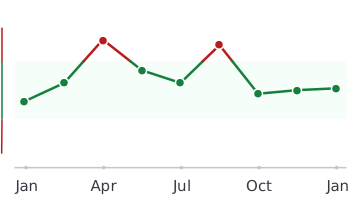
High levels of malate may occur when there are nutritional enzyme inhibitions of the breakdown pathways, inherited low-activity enzymes are present, if there are high levels of precursors (fumarate), or if there are higher levels of its downstream products. Levels may be high if there are problems with the malate-aspartate “shuttle”. Dicarboxylic acids (cis-aconitate, isocitrate, succinate, malate, suberate, and adipate) may be excreted in high amounts due to increased mobilization of fatty acids, beta-oxidation defects, increased gut permeability or fasting.
1. Malate can be broken down into several different compounds. Consider supporting malate metabolism with vitamin B3, magnesium and manganese (if deficient).
2. Fumarate is normally in equilibrium with malate. High malate levels due to low-activity enzyme variants in the enzyme fumarase have been associated with increased cancer risk and catecholamine-producing tumors such as paraganglioma, or pheochromocytoma. Individuals with low activity fumarase variants may benefit from a low carbohydrate, higher fat “keto” diet.
3. The malate-aspartate shuttle helps feed electrons into the electron transport chain so that ATP can be produced. High levels of methylmalonate may inhibit shuttle activity. The shuttle may be inhibited if there are problems in the urea cycle or if there is insufficient dietary protein assimilation or aspartate amino acid synthesis. Liver disorders may impair aspartate synthesis. Consider supporting the malate-aspartate shuttle with vitamins B3, B6, and calcium. Shuttle dysfunction may increase malate levels and decrease alpha-ketoglutarate. Liver synthesis of aspartate is B6-dependent. Problems in the urea cycle may present with high levels of alpha-ketoisovalerate, alpha-ketoisocaproate, alpha-keto-beta-methylvalerate, beta-hydroxyisovalerate, and orotate. Oxaloacetate (not measured) interconverts with malate; the enzyme for this conversion is vitamin B3-dependent. Low oxaloacetate levels may inhibit gluconeogenesis and decrease pyruvate.
Decreased levels of malate may occur if there are low levels of precursors (fumarate, aspartate, oxaloacetate), if there are nutritional enzyme inhibitions, or if a low-activity enzyme variant is inherited. Malate levels can also decrease under low-oxygen conditions (hypoxia), or if there are problems with the glycolysis pathway that decrease pyruvate levels. Malate is essential for normal liver function. Low malate levels are associated with feelings of fatigue, especially after exercise and low levels may occur with chronic fatigue syndrome.
1. Consider magnesium malate supplementation if appropriate.
2. If the glycolysis pathway is compromised, pyruvate levels may be low. Malate may be converted into pyruvate in these cases to maintain the CAC. Glycolysis can be inhibited by low oxygen conditions (hypoxia), which may be associated with sleep apnea, respiratory or circulatory problems. Consider supporting glycolysis and pyruvate synthesis with B1, B2, B3, biotin, magnesium, manganese (if deficient), and potassium.
3. If hypoxia occurs, malate is converted into succinate. Malate levels will be low and succinate levels may be increased. Hypoxia may be associated with sleep apnea, respiratory or circulatory problems.
4. Chronic fatigue may increase pyruvate and decrease citrate, cis-aconitate, isocitrate, and malate.
Malate is involved in the citric acid cycle (aka. Krebs cycle). The citric acid cycle is a series of reactions that occur in the mitochondrion to generate chemical energy that fuels the metabolism.

 Malate